- Home
- Plant guide
- Black-Eyed Susan
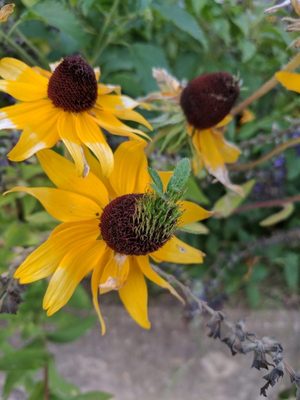
Alison Northup (CC BY)
Black-Eyed Susan
Rudbeckia hirta
A cheerful, unkillable starter native that blooms its first year and seeds itself politely around.
Native to: the Northeast · the Mid-Atlantic · the Southeast · the Midwest · the Great Plains · the South-Central region
Growing Black-Eyed Susan
The easiest native to succeed with, given full sun and almost any soil. Short-lived per plant but reseeds, so a patch persists for decades.
Where it belongs
Black-eyed Susan is native across nearly the whole country, growing in old fields, prairie, roadsides, and any patch of open disturbed ground that gets sun. It is a colonizer: its job in the wild is to arrive fast where soil has been opened, flower hard, set enormous quantities of seed, and give way.
Understanding that explains almost everything about how it behaves in a garden.
Growing it
Sun and almost any soil. It tolerates clay, drought, heat, and neglect, and it is one of the few natives that reliably flowers in its first year from seed, which is why it turns up in every wildflower mix sold.
Do not enrich the soil for it and do not water it once established.
The thing nobody tells you
The common form is a biennial or a short-lived perennial. An individual plant grows leaves one year, flowers the next, sets seed, and dies. That is not a problem with your gardening.
The patch persists by reseeding, not by plants surviving. So if you deadhead everything for tidiness, the planting disappears within two or three years and you conclude the plant was unreliable. Leave a good share of the seed heads standing and it maintains itself indefinitely, moving around the bed slightly each year as new seedlings take.
If you want a genuinely perennial version, the orange coneflower sold as 'Goldsturm' is a different species that behaves differently. It is a fine plant and it is not this one.
What it feeds
The flat open flowers are worked by a wide range of bees and butterflies, and they bloom through the late-summer stretch when many spring perennials have finished. The seed heads feed goldfinches and sparrows into winter.
It is a larval host for a number of moths and for the silvery checkerspot butterfly.
Living with it
Leave the stems. Cut back in late spring. Expect it to move around, and let it. A native planting that stays exactly where you put it is usually one that is slowly dying out.
Sources: USDA PLANTS Database (native status and range); Lady Bird Johnson Wildflower Center, University of Texas at Austin (species profile and life cycle); Missouri Botanical Garden (cultivar and species distinctions).
It’s deer-resistant, drought-tolerant, easy to grow, showy, and long-blooming.Where it grows
Black-Eyed Susan is native to the Northeast. In the wild you’ll find it across Alabama · Arkansas · Colorado · Connecticut · Delaware · Florida · Georgia · Illinois · Indiana · Iowa and 32 more states. Always confirm it suits your specific county with your state native plant society before planting.
Regional Garden has written state guides covering Black-Eyed Susan in 42 of them so far.
Good for
Where to buy Black-Eyed Susan
Some links here are affiliate links and we may earn a small commission at no extra cost to you.
What a first-year Black-Eyed Susan planting needs, from a pH kit to mulch.
Companions & kin.
Natives that share Black-Eyed Susan’s range and conditions.
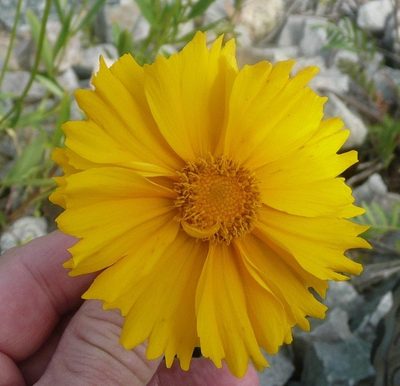
Lanceleaf Coreopsis
Coreopsis lanceolata
Sunny gold daisies for weeks in early summer on the leanest, driest soil you can offer.
- Full sun
- Dry–average
- 1.5–2 ft
- Blooms May–Jul
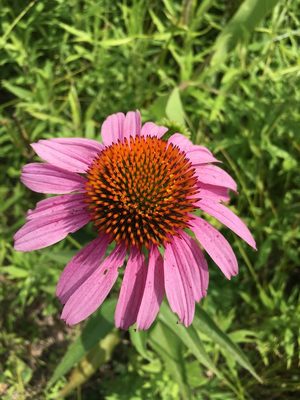
Purple Coneflower
Echinacea purpurea
The garden workhorse: months of nectar for bees and butterflies, then seed heads goldfinches strip all winter.
- Full–part sun
- Dry–average
- 2–4 ft
- Blooms Jun–Sep
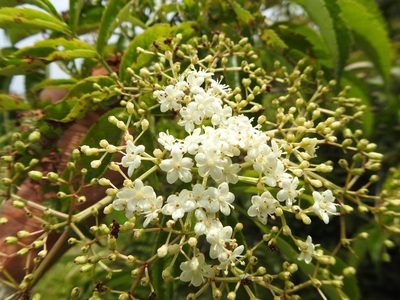
American Elderberry
Sambucus canadensis
Big lacy flower heads in summer give way to purple-black berries for both birds and your kitchen.
- Full–part sun
- Average–wet
- 6–12 ft
- Blooms Jun–Jul
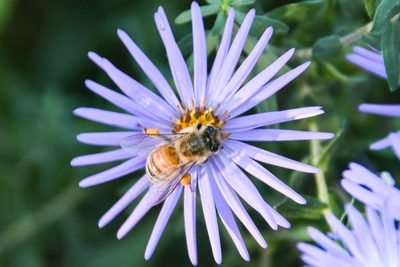
Aromatic Aster
Symphyotrichum oblongifolium
A drought-proof, mounding aster that closes the pollinator season with sheets of blue.
- Full sun
- Dry
- 1.5–2.5 ft
- Blooms Sep–Nov