Native Plants for Colorado
Elevation does the work of a thousand miles of latitude in Colorado, and a garden's altitude matters far more than which county it sits in.
Regions: the Mountain West · the Great Plains · the Great Basin
Ecoregion: Southern Rockies & High Plains
68 native species for Colorado, with the light, moisture and bloom time for each, and what every one of them feeds.
Plants to know in Colorado.
A cross-section of the 68 species native to your region, the workhorses worth starting with.
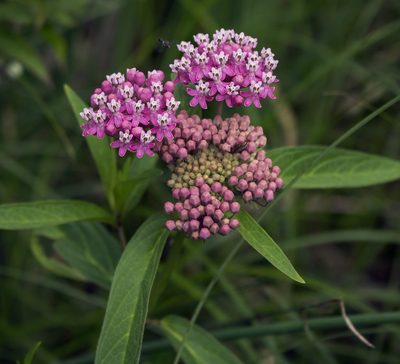
Swamp Milkweed
Asclepias incarnata
- Full–part sun
- Average–wet
- 3–4 ft
- Blooms Jul–Aug

Common Yarrow
Achillea millefolium
- Full sun
- Dry–average
- 1.5–3 ft
- Blooms May–Aug
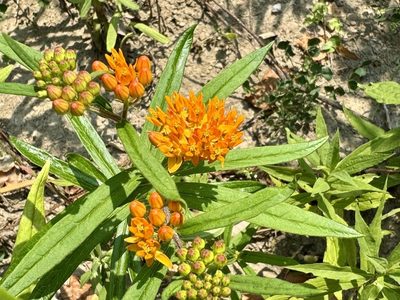
Butterfly Weed
Asclepias tuberosa
- Full sun
- Dry
- 1.5–2.5 ft
- Blooms Jun–Aug

Wild Bergamot
Monarda fistulosa
- Full–part sun
- Dry–average
- 2–4 ft
- Blooms Jun–Aug

Prairie Smoke
Geum triflorum
- Full–part sun
- Dry
- 6–16 in
- Blooms Apr–May

Saskatoon Serviceberry
Amelanchier alnifolia
- Full–part sun
- Dry–average
- 6–15 ft
- Blooms Apr–May
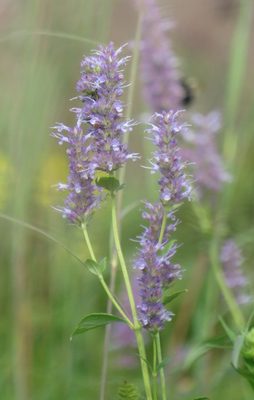
Anise Hyssop
Agastache foeniculum
- Full–part sun
- Dry–average
- 2–4 ft
- Blooms Jun–Sep
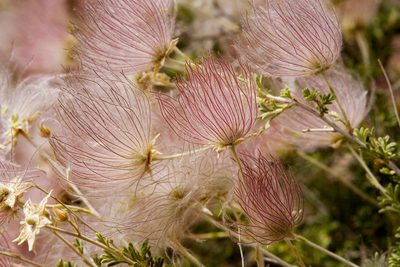
Apache Plume
Fallugia paradoxa
- Full sun
- Dry
- 3–6 ft
- Blooms Apr–Sep
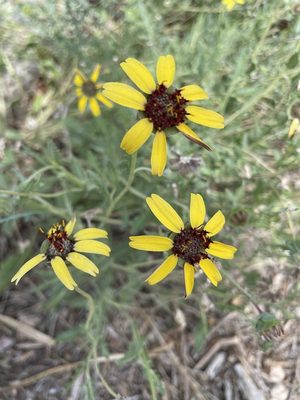
Chocolate Flower
Berlandiera lyrata
- Full sun
- Dry
- 1–2 ft
- Blooms May–Sep
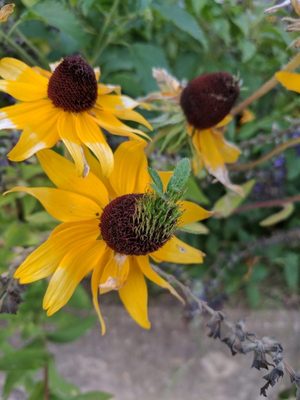
Black-Eyed Susan
Rudbeckia hirta
- Full–part sun
- Dry–average
- 1.5–3 ft
- Blooms Jun–Sep
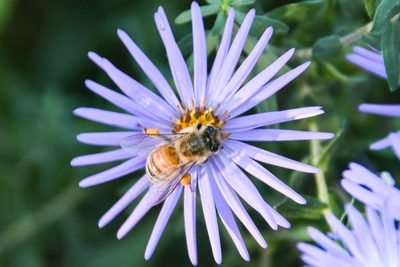
Aromatic Aster
Symphyotrichum oblongifolium
- Full sun
- Dry
- 1.5–2.5 ft
- Blooms Sep–Nov
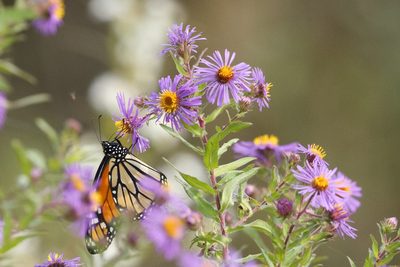
New England Aster
Symphyotrichum novae-angliae
- Full–part sun
- Average–wet
- 3–5 ft
- Blooms Sep–Oct
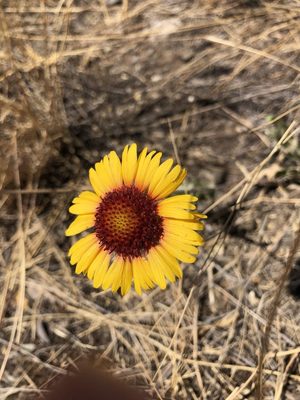
Blanketflower
Gaillardia aristata
- Full sun
- Dry
- 1–2.5 ft
- Blooms Jun–Sep
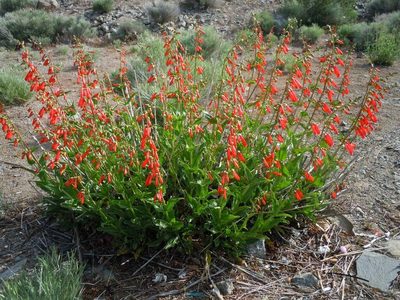
Firecracker Penstemon
Penstemon eatonii
- Full sun
- Dry
- 1.5–3 ft
- Blooms Mar–May
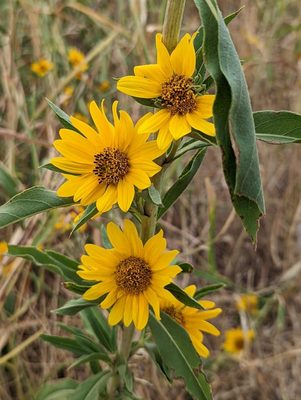
Maximilian Sunflower
Helianthus maximiliani
- Full sun
- Dry–average
- 5–8 ft
- Blooms Aug–Oct
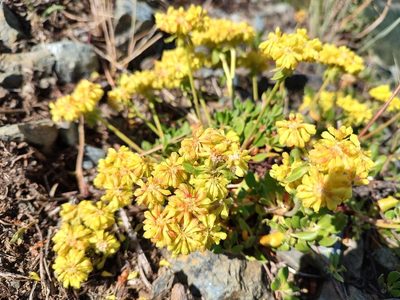
Sulphur-Flower Buckwheat
Eriogonum umbellatum
- Full sun
- Dry
- 6–18 in
- Blooms Jun–Aug
All 68 natives for Colorado.
Filter by what you want the planting to do. Every one of these is native to your region and hardy in zones 3–6.
| Plant | Light | Moisture | Bloom | Feeds |
|---|---|---|---|---|
| Swamp MilkweedAsclepias incarnata | Full–part sun | Average–wet | Blooms Jul–Aug | |
| Common YarrowAchillea millefolium | Full sun | Dry–average | Blooms May–Aug | |
| Butterfly WeedAsclepias tuberosa | Full sun | Dry | Blooms Jun–Aug | |
| Oregon SunshineEriophyllum lanatum | Full sun | Dry | Blooms May–Jul | |
| Wild ColumbineAquilegia canadensis | Part shade | Dry–average | Blooms Apr–Jun | |
| Golden AlexandersZizia aurea | Full–part sun | Average–wet | Blooms Apr–Jun | |
| Wild BergamotMonarda fistulosa | Full–part sun | Dry–average | Blooms Jun–Aug | |
| Western ColumbineAquilegia formosa | Part shade | Average | Blooms Apr–Jul | |
| ServiceberryAmelanchier canadensis | Full–part sun | Average–wet | Blooms Apr–May | |
| Prairie SmokeGeum triflorum | Full–part sun | Dry | Blooms Apr–May | |
| Saskatoon ServiceberryAmelanchier alnifolia | Full–part sun | Dry–average | Blooms Apr–May | |
| Anise HyssopAgastache foeniculum | Full–part sun | Dry–average | Blooms Jun–Sep | |
| Lewis's Mock OrangePhiladelphus lewisii | Full–part sun | Dry–average | Blooms May–Jun | |
| Apache PlumeFallugia paradoxa | Full sun | Dry | Blooms Apr–Sep | |
| Dense Blazing StarLiatris spicata | Full sun | Average–wet | Blooms Jul–Aug | |
| Chocolate FlowerBerlandiera lyrata | Full sun | Dry | Blooms May–Sep | |
| Lanceleaf CoreopsisCoreopsis lanceolata | Full sun | Dry–average | Blooms May–Jul | |
| Black-Eyed SusanRudbeckia hirta | Full–part sun | Dry–average | Blooms Jun–Sep | |
| Aromatic AsterSymphyotrichum oblongifolium | Full sun | Dry | Blooms Sep–Nov | |
| New England AsterSymphyotrichum novae-angliae | Full–part sun | Average–wet | Blooms Sep–Oct | |
| BlanketflowerGaillardia aristata | Full sun | Dry | Blooms Jun–Sep | |
| Common CamasCamassia quamash | Full–part sun | Average–wet | Blooms Apr–May | |
| Cup PlantSilphium perfoliatum | Full–part sun | Average–wet | Blooms Jul–Sep | |
| Firecracker PenstemonPenstemon eatonii | Full sun | Dry | Blooms Mar–May | |
| ButtonbushCephalanthus occidentalis | Full–part sun | Average–wet | Blooms Jun–Aug | |
| Maximilian SunflowerHelianthus maximiliani | Full sun | Dry–average | Blooms Aug–Oct | |
| Sulphur-Flower BuckwheatEriogonum umbellatum | Full sun | Dry | Blooms Jun–Aug | |
| Eastern RedbudCercis canadensis | Full–part sun | Dry–average | Blooms Mar–Apr | |
| Pasque FlowerPulsatilla patens | Full sun | Dry | Blooms Mar–Apr | |
| Foxglove BeardtonguePenstemon digitalis | Full–part sun | Dry–average | Blooms May–Jun | |
| Obedient PlantPhysostegia virginiana | Full–part sun | Average–wet | Blooms Aug–Sep | |
| Blue ElderberrySambucus cerulea | Full–part sun | Average–wet | Blooms Jun–Jul | |
| Prairie Blazing StarLiatris pycnostachya | Full sun | Dry–average | Blooms Jul–Aug | |
| Culver's RootVeronicastrum virginicum | Full–part sun | Average–wet | Blooms Jun–Aug | |
| Purple ConeflowerEchinacea purpurea | Full–part sun | Dry–average | Blooms Jun–Sep | |
| Great Blue LobeliaLobelia siphilitica | Full–part sun | Average–wet | Blooms Aug–Sep | |
| OceansprayHolodiscus discolor | Sun to shade | Dry–average | Blooms Jun–Jul | |
| Showy GoldenrodSolidago speciosa | Full–part sun | Dry–average | Blooms Sep–Oct | |
| Spotted Joe-Pye WeedEutrochium maculatum | Full–part sun | Average–wet | Blooms Jul–Sep | |
| Rocky Mountain PenstemonPenstemon strictus | Full sun | Dry | Blooms May–Jul | |
| Red-Twig DogwoodCornus sericea | Full–part sun | Average–wet | Blooms May–Jun | |
| Rattlesnake MasterEryngium yuccifolium | Full sun | Dry–average | Blooms Jun–Aug | |
| Oregon GrapeBerberis aquifolium | Sun to shade | Dry–average | Blooms Mar–Apr | |
| Common MilkweedAsclepias syriaca | Full–part sun | Dry–average | Blooms Jun–Jul | |
| Common SnowberrySymphoricarpos albus | Sun to shade | Dry–average | Blooms Jun–Jul | |
| Virginia CreeperParthenocissus quinquefolia | Sun to shade | Dry–average | Blooms Jun | |
| Golden CurrantRibes aureum | Full–part sun | Dry–average | Blooms Apr–May | |
| Nootka RoseRosa nutkana | Full–part sun | Average–wet | Blooms May–Jun | |
| BearberryArctostaphylos uva-ursi | Full–part sun | Dry | Blooms Apr–May | |
| Antelope BitterbrushPurshia tridentata | Full sun | Dry | Blooms Apr–Jun | |
| NinebarkPhysocarpus opulifolius | Full–part sun | Dry to wet | Blooms May–Jun | |
| Sideoats GramaBouteloua curtipendula | Full sun | Dry | Blooms Jun–Jul | |
| Stiff GoldenrodSolidago rigida | Full sun | Dry–average | Blooms Aug–Oct | |
| Common BonesetEupatorium perfoliatum | Full–part sun | Average–wet | Blooms Aug–Sep | |
| Showy MilkweedAsclepias speciosa | Full sun | Dry–average | Blooms Jun–Jul | |
| Purple Prairie CloverDalea purpurea | Full sun | Dry | Blooms Jun–Jul | |
| New Jersey TeaCeanothus americanus | Full–part sun | Dry | Blooms May–Jul | |
| Blue VervainVerbena hastata | Full–part sun | Average–wet | Blooms Jul–Sep | |
| Blue GramaBouteloua gracilis | Full sun | Dry | Blooms Jun–Aug | |
| Fragrant SumacRhus aromatica | Full–part sun | Dry | Blooms Mar–Apr | |
| American ElderberrySambucus canadensis | Full–part sun | Average–wet | Blooms Jun–Jul | |
| Compass PlantSilphium laciniatum | Full sun | Dry–average | Blooms Jul–Aug | |
| Prairie DropseedSporobolus heterolepis | Full sun | Dry–average | Fall color | |
| Little BluestemSchizachyrium scoparium | Full sun | Dry–average | Fall color | |
| Big BluestemAndropogon gerardii | Full sun | Dry to wet | Fall color | |
| Indian GrassSorghastrum nutans | Full sun | Dry–average | Fall color | |
| SwitchgrassPanicum virgatum | Full–part sun | Dry to wet | Fall color | |
| Idaho FescueFestuca idahoensis | Full–part sun | Dry | Evergreen |
No plants in this state match that goal.
What is blooming in Colorado in October.
5 of the 68 species native to Colorado flower in October. Every one of them wants full sun. It is a blue, purple, gold month here.
Aromatic Aster
Symphyotrichum oblongifolium
- Full sun
- Dry
- 1.5–2.5 ft
- Blooms Sep–Nov
New England Aster
Symphyotrichum novae-angliae
- Full–part sun
- Average–wet
- 3–5 ft
- Blooms Sep–Oct
Maximilian Sunflower
Helianthus maximiliani
- Full sun
- Dry–average
- 5–8 ft
- Blooms Aug–Oct
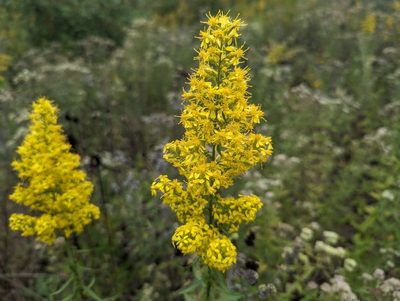
Showy Goldenrod
Solidago speciosa
- Full–part sun
- Dry–average
- 2–4 ft
- Blooms Sep–Oct
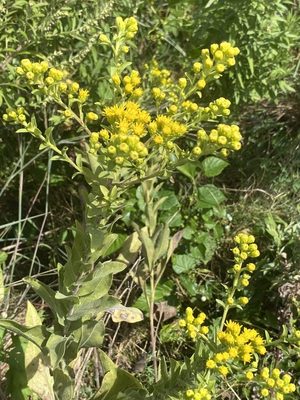
Stiff Goldenrod
Solidago rigida
- Full sun
- Dry–average
- 3–5 ft
- Blooms Aug–Oct
The jobs a native planting asks for in October, by hardiness band: what to do in the garden this month.
The same goals, across every state.
The filters above narrow this page. These open the subject properly, nationwide.
Pollinators
59 native species in Colorado
For bees
59 native species in Colorado
Butterflies
52 native species in Colorado
Hummingbirds
15 native species in Colorado
For birds
35 native species in Colorado
Deer-resistant
50 native species in Colorado
Full sun
66 native species in Colorado
For shade
6 native species in Colorado
Drought-tolerant
48 native species in Colorado
Clay soil
43 native species in Colorado
Rain garden
21 native species in Colorado
Groundcovers
7 native species in Colorado
Flowering shrubs
18 native species in Colorado
Grasses
8 native species in Colorado
Low-maintenance
37 native species in Colorado
Evergreen
6 native species in Colorado
Fall color
12 native species in Colorado
Fragrant
13 native species in Colorado
Gardening in Coloradowhat grows where, and why
Colorado runs from roughly three thousand feet on the eastern plains to over fourteen thousand in the mountains, and every thousand feet of gain shortens the season and drops the temperature. A Denver garden and a Leadville garden are separated by a couple of hours of driving and by a botanical gulf.
Broadly: the eastern plains are shortgrass prairie, dry and windy. The Front Range foothills add ponderosa pine and mountain shrubland. Higher still comes montane and subalpine forest, then alpine tundra above treeline, where the growing season is measured in weeks.
West of the divide, the Colorado Plateau brings pinyon-juniper woodland and canyon country with a Southwestern flora.
Find your elevation and your aspect first. Everything else follows.
Dry air, thin soil, intense sun
Colorado is dry nearly everywhere, and the air is thin enough that solar radiation is intense. Evaporation is high, humidity is low, and unamended soils are often shallow, rocky, and alkaline.
The native flora is built for exactly this. Penstemons, blanketflower, blue grama, rabbitbrush, sulphur buckwheat, and the many dry-adapted composites need no irrigation once rooted and generally resent rich soil and frequent water.
The most common mistake here is treating natives like conventional perennials: watering them on a lawn schedule, feeding them, and planting them in amended beds. That produces soft growth, root rot, and short-lived plants.
Water is the design constraint
Water restrictions are a routine part of Colorado life, and native and low-water landscaping is actively encouraged across the Front Range. A planting built from dry-adapted natives is not a compromise here, it is the design that performs best.
Group plants by water need so a bed can be irrigated as one unit or not at all. Mulch with gravel rather than bark on dry-site plantings, which suits the plants and does not hold moisture against crowns.
Timing and winter
Plant in spring or early fall depending on elevation, earlier as you go up. Late plantings do not root before freeze.
Winter here brings sun, wind, and dry soil rather than steady snow cover in many years, and evergreen plants can desiccate. Watering once or twice on warm winter days when the ground is not frozen genuinely helps new plantings survive.
Confirming what is native to your area
The Colorado Native Plant Society runs chapters across the state, and Denver Botanic Gardens is a leading institution for high-plains and steppe horticulture specifically. Plant Select, a regional program, evaluates plants for Rocky Mountain conditions. Colorado State University Extension publishes elevation-aware guidance.
Sources: Colorado Natural Heritage Program, Colorado State University (natural communities and species distribution); Denver Botanic Gardens (steppe and high-plains horticulture); USDA PLANTS Database (native status by state).
Where to buy Colorado natives
Some links here are affiliate links and we may earn a small commission at no extra cost to you.
What a first-year Colorado planting needs, from a pH kit to mulch.
Put these plants in one real bed.
Draw a bed to scale, answer ten questions you can see from a window, and get a real answer for Colorado: whether the space works, roughly what the plants would cost, and which natives suit your light and drainage. Free, and nothing to sign up for.
The $7 Colorado Native Planting Workbook takes the whole state with you: the year month by month, every profiled species, and what Colorado has listed. About the workbook.