Native Plants for Massachusetts
Massachusetts runs from globally rare sandplain grasslands on the coast to limestone valleys in the Berkshires, which is a wide spread of growing conditions for a state you can drive across in three hours.
Regions: the Northeast
Ecoregion: Northeastern Coastal Forest & Cape
58 native species for Massachusetts, with the light, moisture and bloom time for each, and what every one of them feeds.
Plants to know in Massachusetts.
A cross-section of the 58 species native to your region, the workhorses worth starting with.
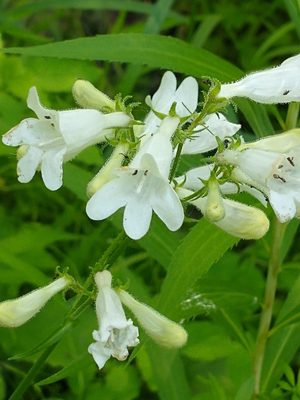
Foxglove Beardtongue
Penstemon digitalis
- Full–part sun
- Dry–average
- 2–4 ft
- Blooms May–Jun
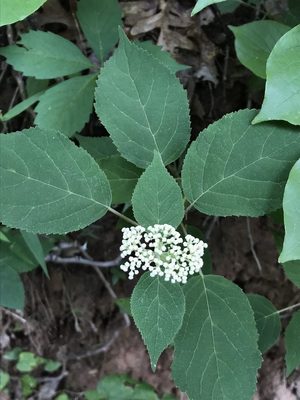
Smooth Hydrangea
Hydrangea arborescens
- Part shade
- Average
- 3–5 ft
- Blooms Jun–Aug
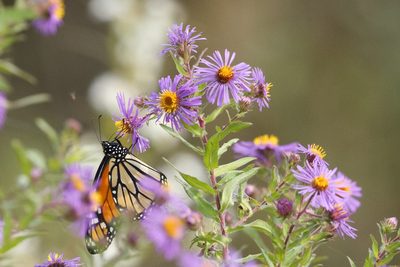
New England Aster
Symphyotrichum novae-angliae
- Full–part sun
- Average–wet
- 3–5 ft
- Blooms Sep–Oct
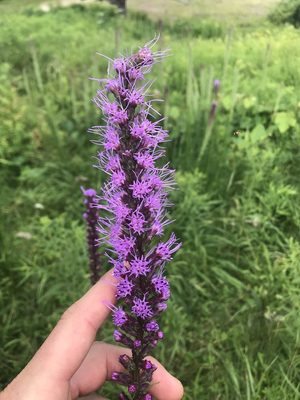
Dense Blazing Star
Liatris spicata
- Full sun
- Average–wet
- 2–4 ft
- Blooms Jul–Aug
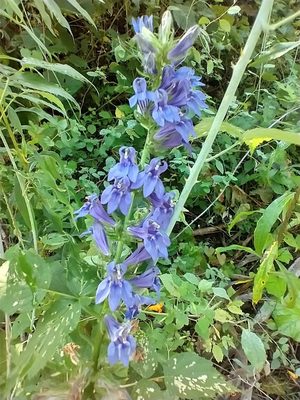
Great Blue Lobelia
Lobelia siphilitica
- Full–part sun
- Average–wet
- 2–3 ft
- Blooms Aug–Sep
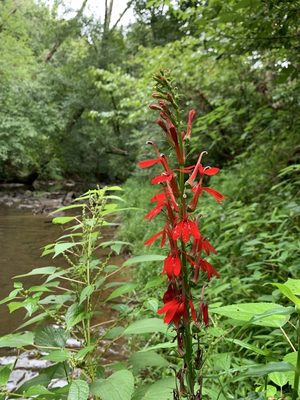
Cardinal Flower
Lobelia cardinalis
- Full–part sun
- Average–wet
- 2–4 ft
- Blooms Jul–Sep
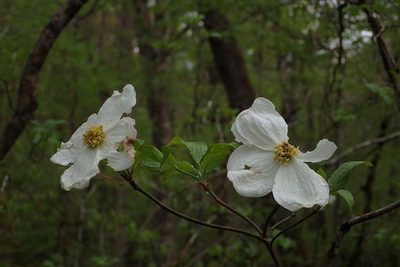
Flowering Dogwood
Cornus florida
- Part shade
- Average
- 15–25 ft
- Blooms Apr–May
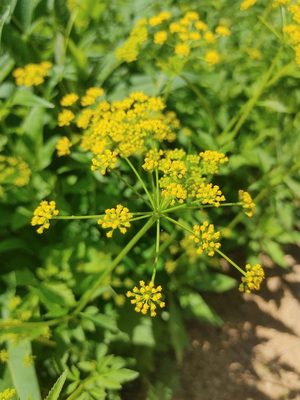
Golden Alexanders
Zizia aurea
- Full–part sun
- Average–wet
- 1.5–2.5 ft
- Blooms Apr–Jun
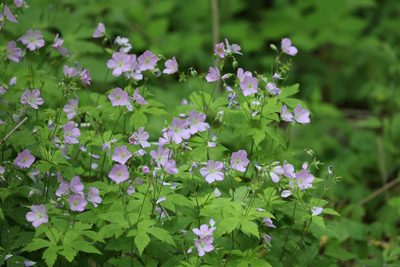
Wild Geranium
Geranium maculatum
- Part shade
- Average
- 1.5–2 ft
- Blooms Apr–Jun
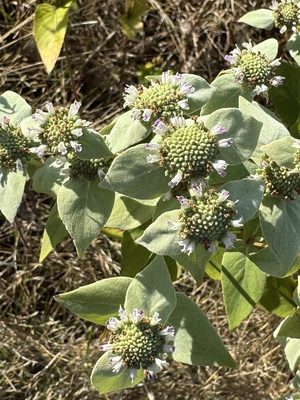
Short-Toothed Mountain Mint
Pycnanthemum muticum
- Full–part sun
- Dry–average
- 2–3 ft
- Blooms Jul–Sep
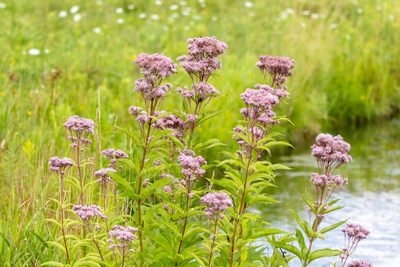
Spotted Joe-Pye Weed
Eutrochium maculatum
- Full–part sun
- Average–wet
- 4–7 ft
- Blooms Jul–Sep

Common Yarrow
Achillea millefolium
- Full sun
- Dry–average
- 1.5–3 ft
- Blooms May–Aug
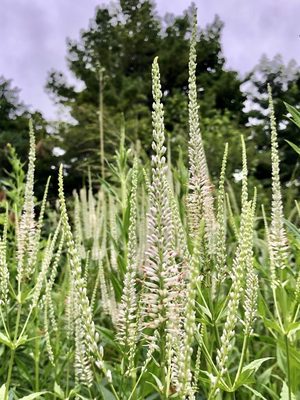
Culver's Root
Veronicastrum virginicum
- Full–part sun
- Average–wet
- 3–5 ft
- Blooms Jun–Aug
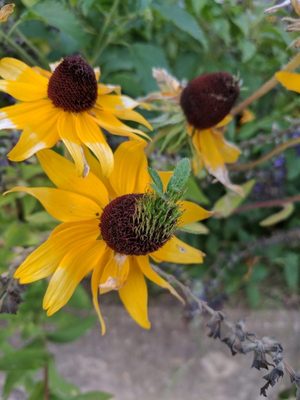
Black-Eyed Susan
Rudbeckia hirta
- Full–part sun
- Dry–average
- 1.5–3 ft
- Blooms Jun–Sep

Arrowwood Viburnum
Viburnum dentatum
- Sun to shade
- Average–wet
- 6–10 ft
- Blooms May–Jun

Buttonbush
Cephalanthus occidentalis
- Full–part sun
- Average–wet
- 5–10 ft
- Blooms Jun–Aug
All 58 natives for Massachusetts.
Filter by what you want the planting to do. Every one of these is native to your region and hardy in zones 5–7.
| Plant | Light | Moisture | Bloom | Feeds |
|---|---|---|---|---|
| Anise HyssopAgastache foeniculum | Full–part sun | Dry–average | Blooms Jun–Sep | |
| Foxglove BeardtonguePenstemon digitalis | Full–part sun | Dry–average | Blooms May–Jun | |
| Purple ConeflowerEchinacea purpurea | Full–part sun | Dry–average | Blooms Jun–Sep | |
| Smooth HydrangeaHydrangea arborescens | Part shade | Average | Blooms Jun–Aug | |
| New England AsterSymphyotrichum novae-angliae | Full–part sun | Average–wet | Blooms Sep–Oct | |
| Dense Blazing StarLiatris spicata | Full sun | Average–wet | Blooms Jul–Aug | |
| Great Blue LobeliaLobelia siphilitica | Full–part sun | Average–wet | Blooms Aug–Sep | |
| Cardinal FlowerLobelia cardinalis | Full–part sun | Average–wet | Blooms Jul–Sep | |
| Flowering DogwoodCornus florida | Part shade | Average | Blooms Apr–May | |
| Golden AlexandersZizia aurea | Full–part sun | Average–wet | Blooms Apr–Jun | |
| Wild GeraniumGeranium maculatum | Part shade | Average | Blooms Apr–Jun | |
| Woodland PhloxPhlox divaricata | Part shade | Average | Blooms Apr–May | |
| Short-Toothed Mountain MintPycnanthemum muticum | Full–part sun | Dry–average | Blooms Jul–Sep | |
| Spotted Joe-Pye WeedEutrochium maculatum | Full–part sun | Average–wet | Blooms Jul–Sep | |
| Common YarrowAchillea millefolium | Full sun | Dry–average | Blooms May–Aug | |
| Wild Bleeding HeartDicentra eximia | Part shade | Average | Blooms Apr–Aug | |
| Culver's RootVeronicastrum virginicum | Full–part sun | Average–wet | Blooms Jun–Aug | |
| Black-Eyed SusanRudbeckia hirta | Full–part sun | Dry–average | Blooms Jun–Sep | |
| Arrowwood ViburnumViburnum dentatum | Sun to shade | Average–wet | Blooms May–Jun | |
| ButtonbushCephalanthus occidentalis | Full–part sun | Average–wet | Blooms Jun–Aug | |
| Eastern RedbudCercis canadensis | Full–part sun | Dry–average | Blooms Mar–Apr | |
| Wild BergamotMonarda fistulosa | Full–part sun | Dry–average | Blooms Jun–Aug | |
| Trumpet HoneysuckleLonicera sempervirens | Full–part sun | Dry–average | Blooms Apr–Sep | |
| FoamflowerTiarella cordifolia | Part shade | Average | Blooms Apr–May | |
| ServiceberryAmelanchier canadensis | Full–part sun | Average–wet | Blooms Apr–May | |
| Obedient PlantPhysostegia virginiana | Full–part sun | Average–wet | Blooms Aug–Sep | |
| Showy GoldenrodSolidago speciosa | Full–part sun | Dry–average | Blooms Sep–Oct | |
| Wild ColumbineAquilegia canadensis | Part shade | Dry–average | Blooms Apr–Jun | |
| Butterfly WeedAsclepias tuberosa | Full sun | Dry | Blooms Jun–Aug | |
| Virginia BluebellsMertensia virginica | Part shade | Average–wet | Blooms Mar–May | |
| Lanceleaf CoreopsisCoreopsis lanceolata | Full sun | Dry–average | Blooms May–Jul | |
| WinterberryIlex verticillata | Full–part sun | Average–wet | Blooms Jun–Jul | |
| Swamp MilkweedAsclepias incarnata | Full–part sun | Average–wet | Blooms Jul–Aug | |
| Scarlet BeebalmMonarda didyma | Full–part sun | Average–wet | Blooms Jul–Aug | |
| Common BonesetEupatorium perfoliatum | Full–part sun | Average–wet | Blooms Aug–Sep | |
| BearberryArctostaphylos uva-ursi | Full–part sun | Dry | Blooms Apr–May | |
| NinebarkPhysocarpus opulifolius | Full–part sun | Dry to wet | Blooms May–Jun | |
| Creeping PhloxPhlox subulata | Full–part sun | Dry–average | Blooms Apr–May | |
| Common SnowberrySymphoricarpos albus | Sun to shade | Dry–average | Blooms Jun–Jul | |
| Blue VervainVerbena hastata | Full–part sun | Average–wet | Blooms Jul–Sep | |
| Wild GingerAsarum canadense | Part shade | Average | Blooms Apr–May | |
| New Jersey TeaCeanothus americanus | Full–part sun | Dry | Blooms May–Jul | |
| Wild LupineLupinus perennis | Full–part sun | Dry | Blooms Apr–Jun | |
| Virginia CreeperParthenocissus quinquefolia | Sun to shade | Dry–average | Blooms Jun | |
| Red-Twig DogwoodCornus sericea | Full–part sun | Average–wet | Blooms May–Jun | |
| Common MilkweedAsclepias syriaca | Full–part sun | Dry–average | Blooms Jun–Jul | |
| SpicebushLindera benzoin | Part shade | Average–wet | Blooms Mar–Apr | |
| Fragrant SumacRhus aromatica | Full–part sun | Dry | Blooms Mar–Apr | |
| Inkberry HollyIlex glabra | Full–part sun | Average–wet | Blooms May–Jun | |
| American ElderberrySambucus canadensis | Full–part sun | Average–wet | Blooms Jun–Jul | |
| Little BluestemSchizachyrium scoparium | Full sun | Dry–average | Fall color | |
| Christmas FernPolystichum acrostichoides | Part shade | Dry–average | Evergreen | |
| Pennsylvania SedgeCarex pensylvanica | Part shade | Dry–average | Foliage | |
| Big BluestemAndropogon gerardii | Full sun | Dry to wet | Fall color | |
| SwitchgrassPanicum virgatum | Full–part sun | Dry to wet | Fall color | |
| Cinnamon FernOsmundastrum cinnamomeum | Part shade | Average–wet | Foliage | |
| Indian GrassSorghastrum nutans | Full sun | Dry–average | Fall color | |
| Prairie DropseedSporobolus heterolepis | Full sun | Dry–average | Fall color |
No plants in this state match that goal.
What is blooming in Massachusetts in October.
2 of the 58 species native to Massachusetts flower in October. Every one of them wants full sun.
New England Aster
Symphyotrichum novae-angliae
- Full–part sun
- Average–wet
- 3–5 ft
- Blooms Sep–Oct
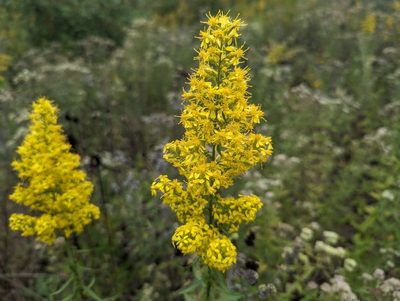
Showy Goldenrod
Solidago speciosa
- Full–part sun
- Dry–average
- 2–4 ft
- Blooms Sep–Oct
The jobs a native planting asks for in October, by hardiness band: what to do in the garden this month.
The same goals, across every state.
The filters above narrow this page. These open the subject properly, nationwide.
Pollinators
49 native species in Massachusetts
For bees
46 native species in Massachusetts
Butterflies
43 native species in Massachusetts
Hummingbirds
16 native species in Massachusetts
For birds
27 native species in Massachusetts
Deer-resistant
37 native species in Massachusetts
Full sun
45 native species in Massachusetts
For shade
16 native species in Massachusetts
Drought-tolerant
25 native species in Massachusetts
Clay soil
40 native species in Massachusetts
Rain garden
25 native species in Massachusetts
Groundcovers
12 native species in Massachusetts
Flowering shrubs
13 native species in Massachusetts
Grasses
6 native species in Massachusetts
Low-maintenance
30 native species in Massachusetts
Evergreen
5 native species in Massachusetts
Fall color
13 native species in Massachusetts
Fragrant
11 native species in Massachusetts
Gardening in Massachusettswhat grows where, and why
The eastern third of the state, and Cape Cod and the islands especially, sits on glacial sand and gravel. Soils are droughty and acidic, and the natural vegetation is pitch pine and scrub oak, heathland, and sandplain grassland. Those sandplain communities are globally rare, surviving in quantity on Martha's Vineyard and Nantucket and in scattered mainland sites, and they support a distinctive set of plants adapted to fire, wind, and lean ground.
Move west and the ground changes. The Connecticut River valley through the center of the state has richer alluvial soils. Farther west still, the Berkshires include marble and limestone valleys whose sweeter soils carry a calcium-loving flora unlike anything on the coastal plain, along with the state's coldest gardening conditions.
A plant list for Nantucket and a plant list for Williamstown overlap much less than the map suggests.
Coastal gardens have their own rules
Near the water, salt spray and wind are the limiting factors rather than cold. Winter lows on the outer Cape and islands are the mildest in New England, which tempts gardeners toward tender plants, but exposure undoes what warmth allows.
The native coastal shrubs, bayberry, beach plum, inkberry, and the seaside goldenrods, are built for it. Inland from the immediate shore, the pitch pine and scrub oak flora handles the sand and the drought without irrigation once established.
Working with sandy, acidic ground
The common eastern Massachusetts mistake is treating sand as a soil to be fixed. Adding organic matter helps a vegetable bed and does very little for a native planting, because the species that belong there evolved on exactly this ground and resent the richness.
Choose lean-site species, plant them at the right density so they close over the soil, mulch with leaf litter rather than bark where you can, and water only through the first season.
Fall planting works well across the state, and the coastal counties have a long enough autumn to make it clearly the better option.
Confirming what is native to your county
Native Plant Trust, headquartered in Framingham, runs the region's plant conservation program and maintains the most detailed flora resources available for New England, including conservation status for every species. The Massachusetts Natural Heritage and Endangered Species Program documents natural communities statewide.
Sources: Native Plant Trust (New England flora, conservation status, and propagation); Massachusetts Natural Heritage and Endangered Species Program, Division of Fisheries and Wildlife (natural communities); USDA PLANTS Database (native status by state).
Where to buy Massachusetts natives
Some links here are affiliate links and we may earn a small commission at no extra cost to you.
What a first-year Massachusetts planting needs, from a pH kit to mulch.
Put these plants in one real bed.
Draw a bed to scale, answer ten questions you can see from a window, and get a real answer for Massachusetts: whether the space works, roughly what the plants would cost, and which natives suit your light and drainage. Free, and nothing to sign up for.
The $7 Massachusetts Native Planting Workbook takes the whole state with you: the year month by month, every profiled species, and what Massachusetts has listed. About the workbook.