- Home
- Plant guide
- New England Aster
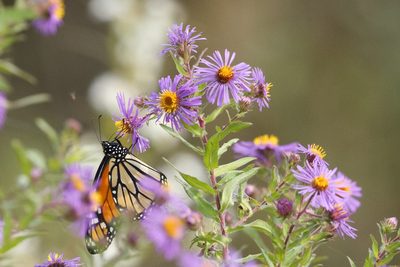
New England Aster
Symphyotrichum novae-angliae
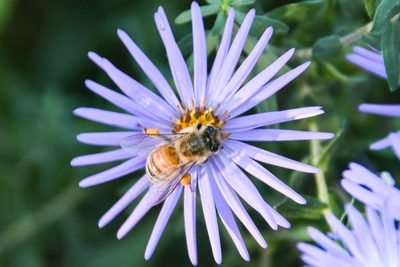
Late-season fuel: clouds of purple daisies feeding migrating monarchs and the last bumblebees of fall.
Native to: the Northeast · the Mid-Atlantic · the Southeast · the Midwest · the Great Plains
Growing New England Aster
Pinch by half in early June for a bushier, self-supporting plant. Critical nectar in October when little else is blooming.
Where it belongs
New England aster is native across the Northeast, the Midwest, and well beyond its name, growing in moist meadows, damp field edges, and roadside ditches. It prefers ground that holds a little more moisture than most prairie species want.
Its value is almost entirely about timing. It flowers in September and October, which is when monarchs are moving south and need fuel, and when bumblebee queens are building reserves before overwintering. A garden with nothing in flower in October is a garden that stops feeding insects at the moment they most need it.
Growing it
Full sun, average to moist soil. It tolerates clay well and is one of the better choices for a heavy site that stays damp in spring.
It gets tall, four to six feet, and in rich soil it flops and goes bare at the base. Two standard answers, both real: cut every stem back by about a third in late spring or early summer, which produces a shorter bushier plant that flowers slightly later, or plant it behind something that hides its legs. Grasses do this job well and hold it upright at the same time.
Powdery mildew on the lower leaves is common in humid summers and is cosmetic. Air movement helps; crowding makes it worse.
What it feeds
Late-season nectar for monarchs, other butterflies, and bumblebees, plus a long list of native bees. Asters as a genus support a large number of specialist bees that collect pollen from them and little else, which is a real conservation argument for planting them rather than a general one.
Seed feeds finches and sparrows through winter.
Living with it
It spreads slowly by rhizome into a wider clump and self-sows modestly. Divide every few years if the center opens up, or leave it alone in a meadow setting.
Leave the stems through winter. The hollow ones shelter insects, and cutting in autumn removes the seed just as the birds start on it.
Sources: USDA PLANTS Database (native status and range); Xerces Society for Invertebrate Conservation (late-season nectar and specialist bees); Mt. Cuba Center (aster trial results on garden performance and mildew resistance).
It’s showy, easy to grow, and long-blooming.Where it grows
New England Aster is native to the Northeast. In the wild you’ll find it across Alabama · Arkansas · Colorado · Connecticut · Delaware · Florida · Georgia · Illinois · Indiana · Iowa and 32 more states. Always confirm it suits your specific county with your state native plant society before planting.
Regional Garden has written state guides covering New England Aster in 42 of them so far.
Good for
Where to buy New England Aster
Some links here are affiliate links and we may earn a small commission at no extra cost to you.
What a first-year New England Aster planting needs, from a pH kit to mulch.
Companions & kin.
Natives that share New England Aster’s range and conditions.
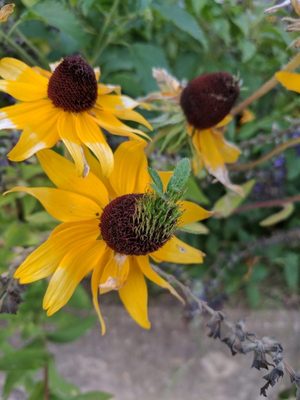
Black-Eyed Susan
Rudbeckia hirta
A cheerful, unkillable starter native that blooms its first year and seeds itself politely around.
- Full–part sun
- Dry–average
- 1.5–3 ft
- Blooms Jun–Sep
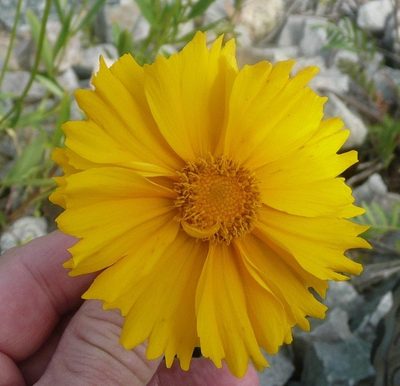
Lanceleaf Coreopsis
Coreopsis lanceolata
Sunny gold daisies for weeks in early summer on the leanest, driest soil you can offer.
- Full sun
- Dry–average
- 1.5–2 ft
- Blooms May–Jul
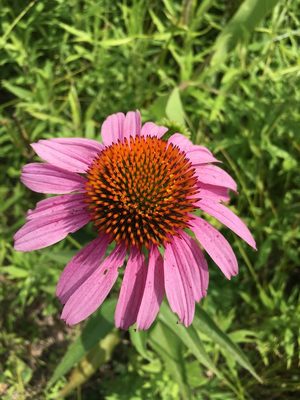
Purple Coneflower
Echinacea purpurea
The garden workhorse: months of nectar for bees and butterflies, then seed heads goldfinches strip all winter.
- Full–part sun
- Dry–average
- 2–4 ft
- Blooms Jun–Sep
Aromatic Aster
Symphyotrichum oblongifolium
A drought-proof, mounding aster that closes the pollinator season with sheets of blue.
- Full sun
- Dry
- 1.5–2.5 ft
- Blooms Sep–Nov