Native Plants for California
California's Mediterranean climate reverses the growing year: the rain comes in winter, the summer is bone dry, and native plants here grow in the cool season and rest in the warm one.
Regions: California · the Pacific Northwest · the desert Southwest
Ecoregion: Coast Ranges, Central Valley & Sierra Nevada
40 native species for California, with the light, moisture and bloom time for each, and what every one of them feeds.
Plants to know in California.
A cross-section of the 40 species native to your region, the workhorses worth starting with.
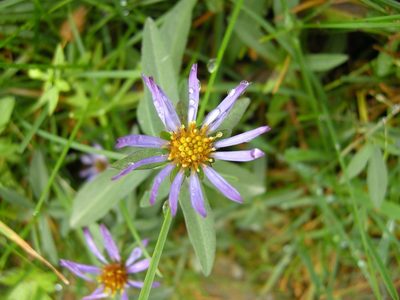
Douglas Aster
Symphyotrichum subspicatum
- Full–part sun
- Average–wet
- 2–4 ft
- Blooms Aug–Oct
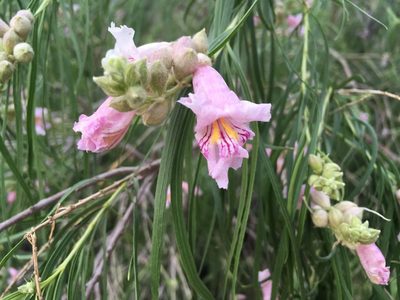
Desert Willow
Chilopsis linearis
- Full sun
- Dry
- 15–25 ft
- Blooms May–Sep
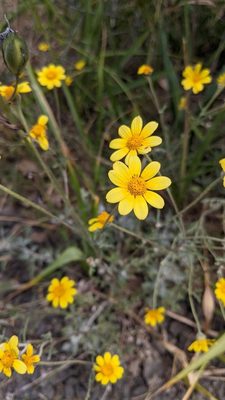
Oregon Sunshine
Eriophyllum lanatum
- Full sun
- Dry
- 0.7–2 ft
- Blooms May–Jul

Saskatoon Serviceberry
Amelanchier alnifolia
- Full–part sun
- Dry–average
- 6–15 ft
- Blooms Apr–May
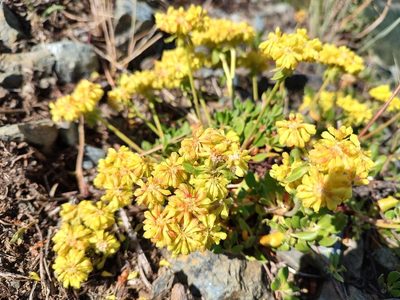
Sulphur-Flower Buckwheat
Eriogonum umbellatum
- Full sun
- Dry
- 6–18 in
- Blooms Jun–Aug

Prairie Smoke
Geum triflorum
- Full–part sun
- Dry
- 6–16 in
- Blooms Apr–May
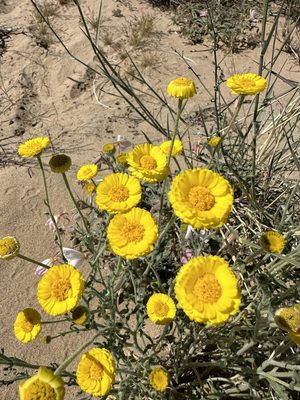
Desert Marigold
Baileya multiradiata
- Full sun
- Dry
- 12–18 in
- Blooms Mar–Oct
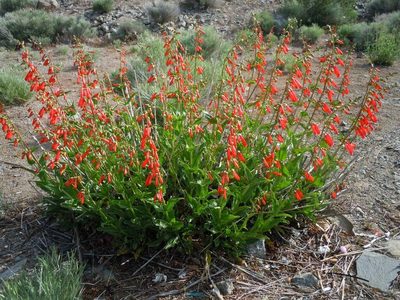
Firecracker Penstemon
Penstemon eatonii
- Full sun
- Dry
- 1.5–3 ft
- Blooms Mar–May
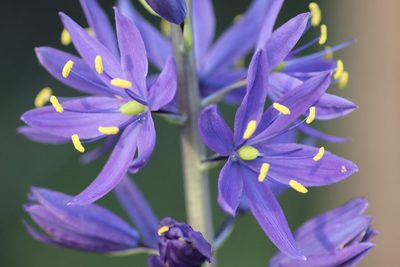
Common Camas
Camassia quamash
- Full–part sun
- Average–wet
- 1–2.5 ft
- Blooms Apr–May
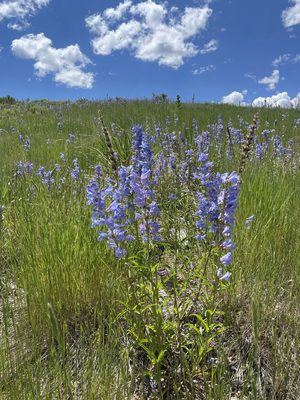
Rocky Mountain Penstemon
Penstemon strictus
- Full sun
- Dry
- 1.5–2.5 ft
- Blooms May–Jul
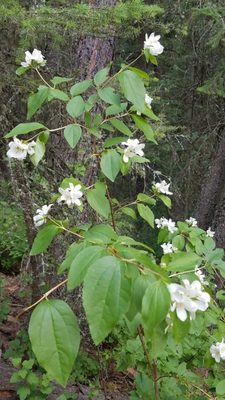
Lewis's Mock Orange
Philadelphus lewisii
- Full–part sun
- Dry–average
- 5–10 ft
- Blooms May–Jun
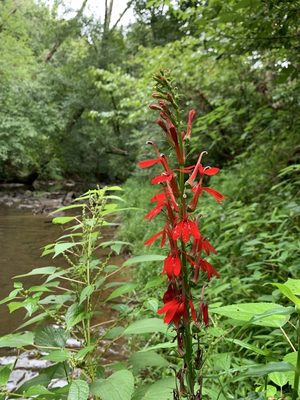
Cardinal Flower
Lobelia cardinalis
- Full–part sun
- Average–wet
- 2–4 ft
- Blooms Jul–Sep
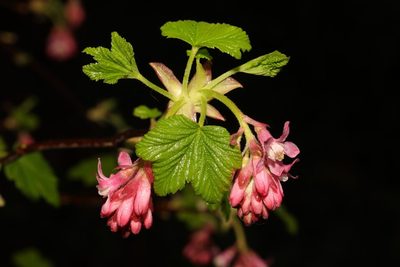
Red-Flowering Currant
Ribes sanguineum
- Full–part sun
- Dry–average
- 5–9 ft
- Blooms Mar–Apr
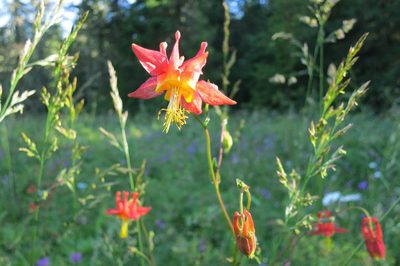
Western Columbine
Aquilegia formosa
- Part shade
- Average
- 1.5–3 ft
- Blooms Apr–Jul
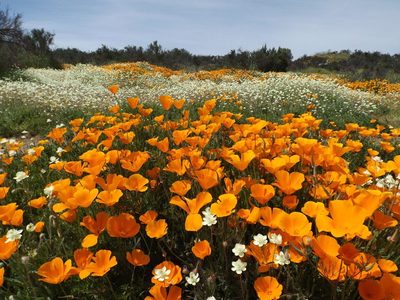
California Poppy
Eschscholzia californica
- Full sun
- Dry
- 8–18 in
- Blooms Mar–Jun

Buttonbush
Cephalanthus occidentalis
- Full–part sun
- Average–wet
- 5–10 ft
- Blooms Jun–Aug
All 40 natives for California.
Filter by what you want the planting to do. Every one of these is native to your region and hardy in zones 5–10.
| Plant | Light | Moisture | Bloom | Feeds |
|---|---|---|---|---|
| Douglas AsterSymphyotrichum subspicatum | Full–part sun | Average–wet | Blooms Aug–Oct | |
| Desert WillowChilopsis linearis | Full sun | Dry | Blooms May–Sep | |
| Oregon SunshineEriophyllum lanatum | Full sun | Dry | Blooms May–Jul | |
| Saskatoon ServiceberryAmelanchier alnifolia | Full–part sun | Dry–average | Blooms Apr–May | |
| Sulphur-Flower BuckwheatEriogonum umbellatum | Full sun | Dry | Blooms Jun–Aug | |
| Prairie SmokeGeum triflorum | Full–part sun | Dry | Blooms Apr–May | |
| Desert MarigoldBaileya multiradiata | Full sun | Dry | Blooms Mar–Oct | |
| Firecracker PenstemonPenstemon eatonii | Full sun | Dry | Blooms Mar–May | |
| Common CamasCamassia quamash | Full–part sun | Average–wet | Blooms Apr–May | |
| Rocky Mountain PenstemonPenstemon strictus | Full sun | Dry | Blooms May–Jul | |
| Gregg's MistflowerConoclinium greggii | Full–part sun | Dry–average | Blooms May–Oct | |
| Blue ElderberrySambucus cerulea | Full–part sun | Average–wet | Blooms Jun–Jul | |
| Lewis's Mock OrangePhiladelphus lewisii | Full–part sun | Dry–average | Blooms May–Jun | |
| Cardinal FlowerLobelia cardinalis | Full–part sun | Average–wet | Blooms Jul–Sep | |
| Red-Flowering CurrantRibes sanguineum | Full–part sun | Dry–average | Blooms Mar–Apr | |
| Western ColumbineAquilegia formosa | Part shade | Average | Blooms Apr–Jul | |
| Autumn SageSalvia greggii | Full–part sun | Dry | Blooms Apr–Oct | |
| California PoppyEschscholzia californica | Full sun | Dry | Blooms Mar–Jun | |
| Flame AcanthusAnisacanthus quadrifidus var. wrightii | Full sun | Dry | Blooms Jun–Oct | |
| ButtonbushCephalanthus occidentalis | Full–part sun | Average–wet | Blooms Jun–Aug | |
| OceansprayHolodiscus discolor | Sun to shade | Dry–average | Blooms Jun–Jul | |
| Common YarrowAchillea millefolium | Full sun | Dry–average | Blooms May–Aug | |
| BlanketflowerGaillardia aristata | Full sun | Dry | Blooms Jun–Sep | |
| California LilacCeanothus thyrsiflorus | Full sun | Dry | Blooms Mar–May | |
| Apache PlumeFallugia paradoxa | Full sun | Dry | Blooms Apr–Sep | |
| Chocolate FlowerBerlandiera lyrata | Full sun | Dry | Blooms May–Sep | |
| Oregon GrapeBerberis aquifolium | Sun to shade | Dry–average | Blooms Mar–Apr | |
| Blue GramaBouteloua gracilis | Full sun | Dry | Blooms Jun–Aug | |
| Antelope BitterbrushPurshia tridentata | Full sun | Dry | Blooms Apr–Jun | |
| Sideoats GramaBouteloua curtipendula | Full sun | Dry | Blooms Jun–Jul | |
| Golden CurrantRibes aureum | Full–part sun | Dry–average | Blooms Apr–May | |
| Common SnowberrySymphoricarpos albus | Sun to shade | Dry–average | Blooms Jun–Jul | |
| Hairy ManzanitaArctostaphylos columbiana | Full–part sun | Dry | Blooms Mar–May | |
| BearberryArctostaphylos uva-ursi | Full–part sun | Dry | Blooms Apr–May | |
| ToyonHeteromeles arbutifolia | Full–part sun | Dry | Blooms Jun–Jul | |
| Nootka RoseRosa nutkana | Full–part sun | Average–wet | Blooms May–Jun | |
| Red-Twig DogwoodCornus sericea | Full–part sun | Average–wet | Blooms May–Jun | |
| Showy MilkweedAsclepias speciosa | Full sun | Dry–average | Blooms Jun–Jul | |
| Little BluestemSchizachyrium scoparium | Full sun | Dry–average | Fall color | |
| Idaho FescueFestuca idahoensis | Full–part sun | Dry | Evergreen |
No plants in this state match that goal.
What is blooming in California in October.
5 of the 40 species native to California flower in October. Every one of them wants full sun. It is a purple, gold, blue month here.
Douglas Aster
Symphyotrichum subspicatum
- Full–part sun
- Average–wet
- 2–4 ft
- Blooms Aug–Oct
Desert Marigold
Baileya multiradiata
- Full sun
- Dry
- 12–18 in
- Blooms Mar–Oct
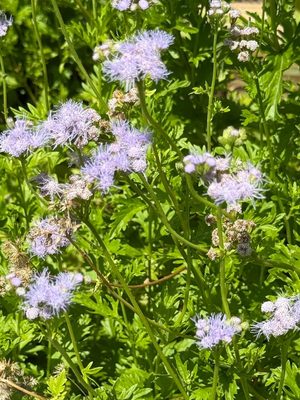
Gregg's Mistflower
Conoclinium greggii
- Full–part sun
- Dry–average
- 1–2 ft
- Blooms May–Oct
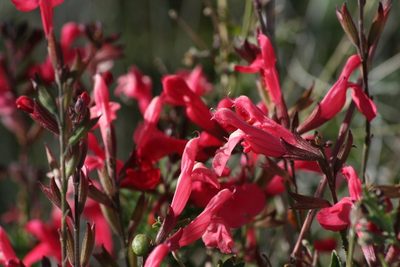
Autumn Sage
Salvia greggii
- Full–part sun
- Dry
- 2–3 ft
- Blooms Apr–Oct
Flame Acanthus
Anisacanthus quadrifidus var. wrightii
- Full sun
- Dry
- 2–4 ft
- Blooms Jun–Oct
The jobs a native planting asks for in October, by hardiness band: what to do in the garden this month.
The same goals, across every state.
The filters above narrow this page. These open the subject properly, nationwide.
Pollinators
36 native species in California
For bees
34 native species in California
Butterflies
24 native species in California
Hummingbirds
14 native species in California
For birds
20 native species in California
Deer-resistant
31 native species in California
Full sun
39 native species in California
Drought-tolerant
33 native species in California
Clay soil
13 native species in California
Rain garden
7 native species in California
Groundcovers
5 native species in California
Flowering shrubs
19 native species in California
Low-maintenance
19 native species in California
Evergreen
10 native species in California
Fragrant
6 native species in California
Gardening in Californiawhat grows where, and why
In most of the country, plants grow through a rainy summer and rest through winter. California inverts that. Rain falls from roughly November through March, and the summer is essentially rainless across most of the state.
The native flora evolved with this. Many species grow through the cool wet months, flower in spring, then go summer-dormant, dropping leaves or dying back and waiting for the rains. A California native that looks tired in August is generally behaving correctly.
The practical consequence is the most important thing to know about gardening here: summer water kills many California natives. Species adapted to dry summer dormancy are vulnerable to root pathogens when soil stays warm and wet, and irrigating them on a conventional garden schedule is the most common way they die.
An extraordinary flora
California has more native plant species than any other state, and a very high proportion of them grow nowhere else. The reasons are the varied topography, the long isolation of the region behind mountains and desert, and the range of climates from coastal fog belt to alpine to true desert.
That diversity means regional matching matters more here than almost anywhere. Coastal sage scrub, chaparral, oak woodland, redwood forest, Central Valley grassland, montane forest, and Mojave and Sonoran desert are all California, and their plant lists barely overlap.
Fog, heat, and the coastal gradient
The coast is cool and often foggy in summer, which lets species grow there that would fail inland. A few miles east, past the coastal hills, summer heat rises sharply. That gradient is steep, and a plant list from a coastal city will not transfer to an inland valley twenty miles away.
Fire
Much of the California flora is fire-adapted, and fire risk is a genuine consideration when designing a planting near wildland. Defensible space requirements affect what may be planted and where.
Native does not automatically mean fire-safe. Well-spaced, well-maintained, appropriately irrigated plantings in the zone near a house matter more than species choice alone, and local fire authorities publish specific guidance worth following.
Planting with the rains
Plant in fall, once the weather cools and before or with the first rains. Roots establish through the wet winter, and the plant faces its first dry summer with a root system already in place. Spring planting means hand-watering through summer and generally produces a weaker plant.
Water new plantings occasionally through their first summer, then reduce sharply.
Confirming what is native to your area
The California Native Plant Society is the largest organization of its kind in the country, with active local chapters and the Calscape database, which returns species native to a specific address. That tool is the best answer anywhere to the question this site exists to ask.
Sources: California Native Plant Society (Calscape and local chapter guidance); Jepson Herbarium, University of California, Berkeley (Jepson eFlora and species distribution); USDA PLANTS Database (native status by state).
Where to buy California natives
Some links here are affiliate links and we may earn a small commission at no extra cost to you.
What a first-year California planting needs, from a pH kit to mulch.
Put these plants in one real bed.
Draw a bed to scale, answer ten questions you can see from a window, and get a real answer for California: whether the space works, roughly what the plants would cost, and which natives suit your light and drainage. Free, and nothing to sign up for.