- Home
- Collections
- Low-maintenance
Easy Native Plants
Forgiving, hard-to-kill natives for first-time gardeners and anyone who wants a beautiful yard without the upkeep.
Easy is a relationship, not a property
There is no plant that is easy everywhere. Cardinal flower is trouble-free in a wet spot and a permanent struggle in a dry bed. Blanketflower is bulletproof in gravel and dies over its first winter in rich soil. Manzanita is indestructible without irrigation and dies quickly with it.
The plants on this page are forgiving of a wide range of conditions and free of the diseases and habits that generate work. That still leaves the biggest variable in your hands: whether you put them where they belong.
Match the plant to the site rather than modifying the site for the plant, and maintenance mostly disappears.
What actually generates work
Staking, which is a symptom of soil that is too rich, light that is too weak, or a plant sited where it will always be too tall.
Watering, which is only permanent if the plant is wrong for the rainfall or was never established properly in the first place.
Dividing, which some perennials need every few years and others never do. Clump-formers with a deep taproot, such as butterfly weed, rattlesnake master, and compass plant, are effectively permanent. Fast spreaders need annual attention.
Deadheading, which is optional in nearly every case and often actively wrong, since seed heads feed birds.
Spraying, which is generally the wrong answer in a native planting and removes the insects that are the point.
The one real job: the first two years
New plantings need water and weeding. There is no version of this that skips that.
Water deeply and infrequently through the first season, taper through the second, and then stop in most of the country. Weed regularly until the plants close together, because the space between young plants is where problems start.
After that, an established native planting in the right conditions is close to self-sufficient, and the annual work is one cutback in spring.
Spreaders, and honesty about them
Several of the toughest and most useful natives spread, and their vigor is what makes them low maintenance in the first place.
Obedient plant, mountain mint, Maximilian sunflower, and gray goldenrod will travel in good conditions. That is a feature in a meadow, on a bank, or in a large naturalized area, and a chore in a small mixed bed.
Site them where spreading is welcome and they cost you nothing. Site them next to a slow, precious plant and you have signed up for an annual argument.
The genuinely low-maintenance garden is one where every plant is somewhere it can do what it does.
Sources: Lady Bird Johnson Wildflower Center, University of Texas at Austin (species profiles and cultural requirements); Mt. Cuba Center (native perennial trials measuring longevity, habit, and maintenance needs); university extension guidance on establishment watering.
48 native species in this collection.
The easiest natives are the ones already adapted to your local soil and rainfall, so they need no fertilizer, no irrigation after year one, and no winter coddling. Start with these, plant them where their light and moisture needs are genuinely met, mulch the first year, and the maintenance shrinks to a single late-winter cleanup. Right plant, right place does ninety percent of the work.
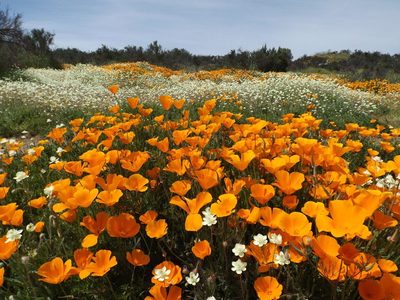
California Poppy
Eschscholzia californica
The silken orange state flower of California, painting dry hillsides every spring.
- Full sun
- Dry
- 8–18 in
- Blooms Mar–Jun
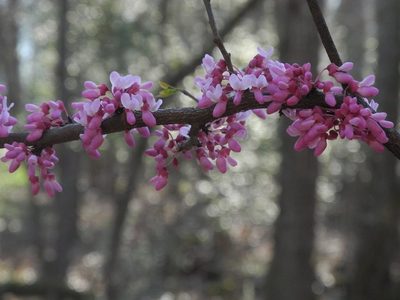
Eastern Redbud
Cercis canadensis
Bare branches erupt in rose-magenta in early spring, and the flowers feed the season's first bees.
- Full–part sun
- Dry–average
- 20–30 ft
- Blooms Mar–Apr
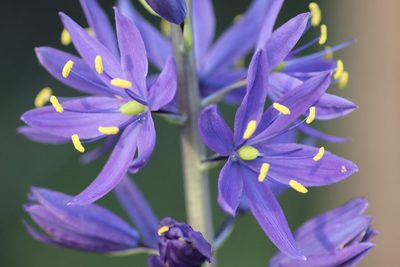
Common Camas
Camassia quamash
The blue that used to run across Northwest prairies in spring, and the one bulb that actually wants a wet winter.
- Full–part sun
- Average–wet
- 1–2.5 ft
- Blooms Apr–May
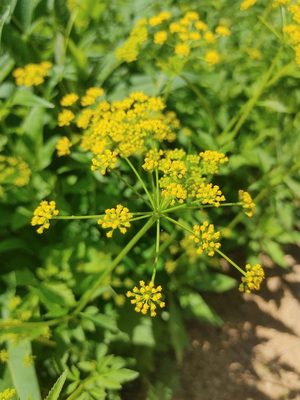
Golden Alexanders
Zizia aurea
Early flat gold heads that feed the first small bees and host the black swallowtail.
- Full–part sun
- Average–wet
- 1.5–2.5 ft
- Blooms Apr–Jun

Saskatoon Serviceberry
Amelanchier alnifolia
White flowers before the leaves, then fruit that tastes like a sweet blueberry, then orange fall color.
- Full–part sun
- Dry–average
- 6–15 ft
- Blooms Apr–May
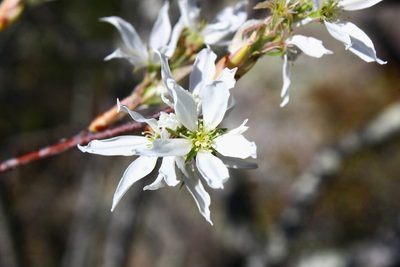
Serviceberry
Amelanchier canadensis
A small four-season tree: white spring flowers, June berries for the birds, and fiery fall color.
- Full–part sun
- Average–wet
- 15–25 ft
- Blooms Apr–May
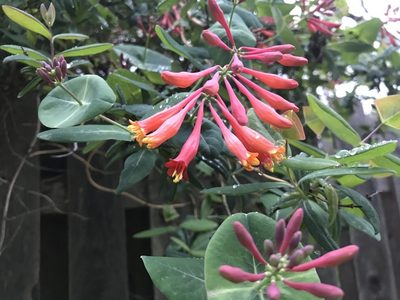
Trumpet Honeysuckle
Lonicera sempervirens
A well-mannered native vine that pours out coral-red hummingbird trumpets from spring to frost.
- Full–part sun
- Dry–average
- 8–15 ft
- Blooms Apr–Sep
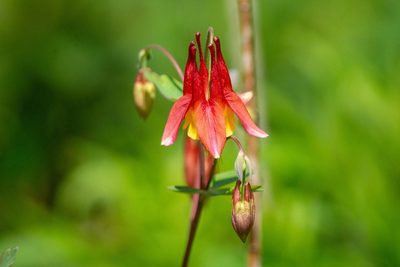
Wild Columbine
Aquilegia canadensis
Nodding red-and-gold lanterns that greet the first spring hummingbirds at a woodland edge.
- Part shade
- Dry–average
- 1–2.5 ft
- Blooms Apr–Jun
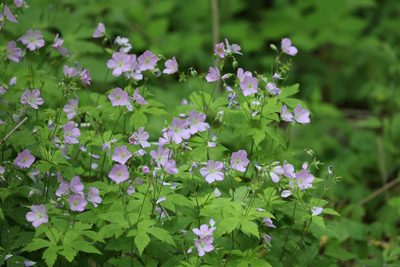
Wild Geranium
Geranium maculatum
A mounding woodland staple with lilac-pink spring flowers and good fall foliage color.
- Part shade
- Average
- 1.5–2 ft
- Blooms Apr–Jun

Arrowwood Viburnum
Viburnum dentatum
A bulletproof hedge shrub with white spring flowers, blue fall berries, and burgundy autumn leaves.
- Sun to shade
- Average–wet
- 6–10 ft
- Blooms May–Jun

Common Yarrow
Achillea millefolium
A near-continental native with flat flower heads that feed tiny beneficial insects, tough as a weed.
- Full sun
- Dry–average
- 1.5–3 ft
- Blooms May–Aug
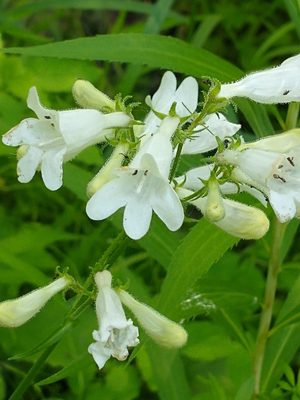
Foxglove Beardtongue
Penstemon digitalis
Airy white bells in early summer, a bridge bloom between spring ephemerals and the summer prairie.
- Full–part sun
- Dry–average
- 2–4 ft
- Blooms May–Jun
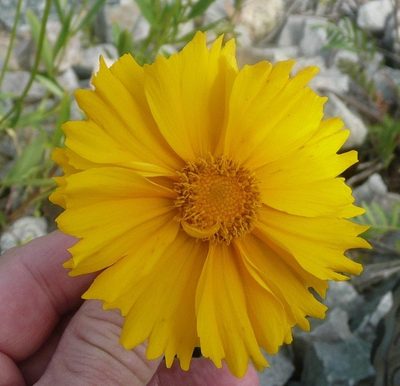
Lanceleaf Coreopsis
Coreopsis lanceolata
Sunny gold daisies for weeks in early summer on the leanest, driest soil you can offer.
- Full sun
- Dry–average
- 1.5–2 ft
- Blooms May–Jul
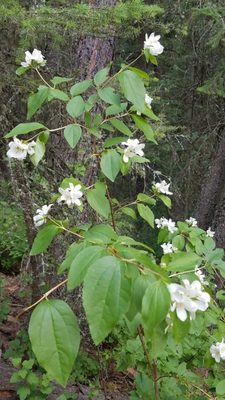
Lewis's Mock Orange
Philadelphus lewisii
Two weeks in early summer when the whole shrub smells of orange blossom, and the rest of the year asking for nothing.
- Full–part sun
- Dry–average
- 5–10 ft
- Blooms May–Jun
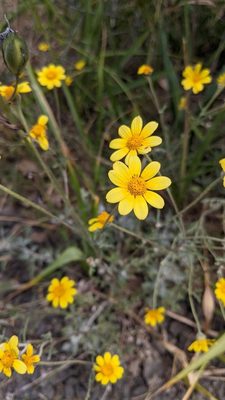
Oregon Sunshine
Eriophyllum lanatum
Silver-woolly foliage under golden daisies, on a plant that treats a hot dry summer as normal weather.
- Full sun
- Dry
- 0.7–2 ft
- Blooms May–Jul
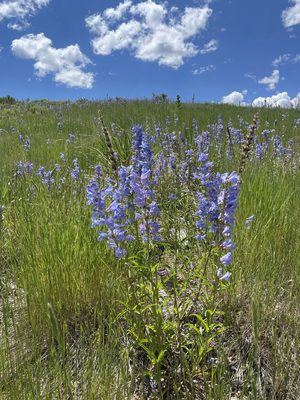
Rocky Mountain Penstemon
Penstemon strictus
Spires of glossy blue tubes built for bumblebees, and one of the easiest western penstemons to grow.
- Full sun
- Dry
- 1.5–2.5 ft
- Blooms May–Jul
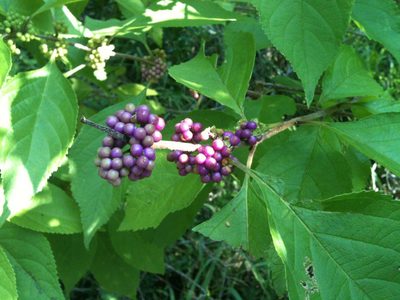
American Beautyberry
Callicarpa americana
Unreal clusters of metallic-purple berries hug the stems in fall and feed dozens of bird species.
- Full–part sun
- Dry–average
- 4–7 ft
- Blooms Jun–Jul
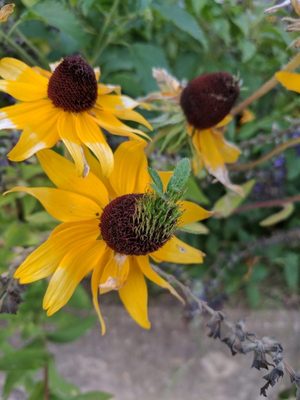
Black-Eyed Susan
Rudbeckia hirta
A cheerful, unkillable starter native that blooms its first year and seeds itself politely around.
- Full–part sun
- Dry–average
- 1.5–3 ft
- Blooms Jun–Sep

Blue Elderberry
Sambucus cerulea
Fast, big, and covered in flat cream flower heads, then dusty blue fruit that draws every fruit-eating bird in the county.
- Full–part sun
- Average–wet
- 8–20 ft
- Blooms Jun–Jul
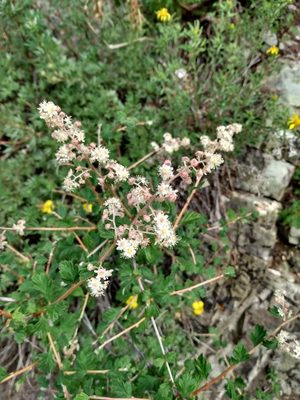
Oceanspray
Holodiscus discolor
Foaming cream plumes in midsummer that dry to tan and stand all winter, on a shrub that takes sun or shade and no water.
- Sun to shade
- Dry–average
- 6–12 ft
- Blooms Jun–Jul
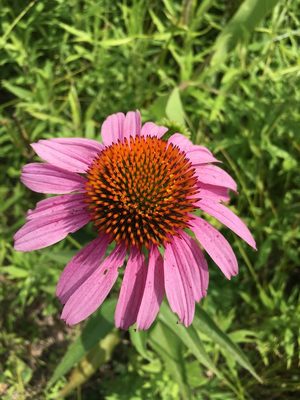
Purple Coneflower
Echinacea purpurea
The garden workhorse: months of nectar for bees and butterflies, then seed heads goldfinches strip all winter.
- Full–part sun
- Dry–average
- 2–4 ft
- Blooms Jun–Sep
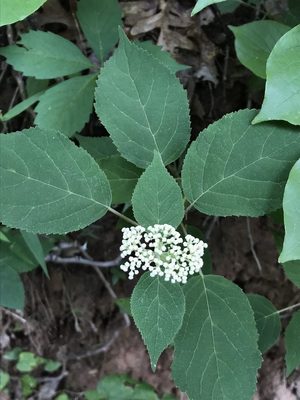
Smooth Hydrangea
Hydrangea arborescens
The native parent of the 'Annabelle' hydrangea, with white summer domes for shade.
- Part shade
- Average
- 3–5 ft
- Blooms Jun–Aug
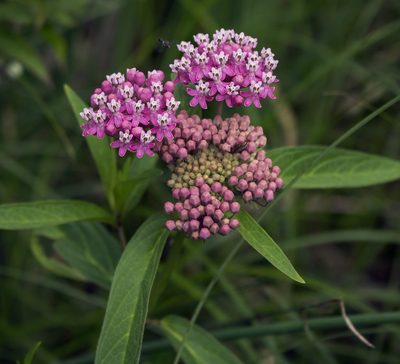
Swamp Milkweed
Asclepias incarnata
A well-behaved, clump-forming milkweed for wet ground: a monarch host that also looks at home in a border.
- Full–part sun
- Average–wet
- 3–4 ft
- Blooms Jul–Aug
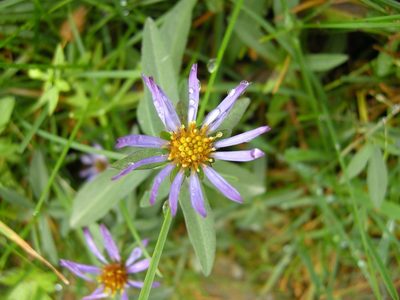
Douglas Aster
Symphyotrichum subspicatum
The Pacific Northwest's late-season aster, feeding bees into the first cool, wet days of fall.
- Full–part sun
- Average–wet
- 2–4 ft
- Blooms Aug–Oct
Low-maintenance, near you.
Whether a species belongs in your yard depends on where you garden. These state guides cover it.
Where to find low-maintenance plants
Some links here are affiliate links and we may earn a small commission at no extra cost to you.
What a first-year Low-maintenance planting needs, from a pH kit to mulch.