Native Plants for Nevada
Nevada is the driest state in the country and almost entirely Great Basin, where water that falls has nowhere to go and the ranges run in parallel north to south.
Regions: the Great Basin · the desert Southwest · California
Ecoregion: Great Basin sagebrush & Mojave
38 native species for Nevada, with the light, moisture and bloom time for each, and what every one of them feeds.
Plants to know in Nevada.
A cross-section of the 38 species native to your region, the workhorses worth starting with.
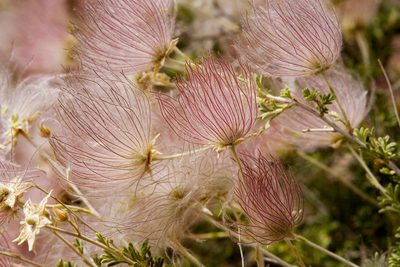
Apache Plume
Fallugia paradoxa
- Full sun
- Dry
- 3–6 ft
- Blooms Apr–Sep

Prairie Smoke
Geum triflorum
- Full–part sun
- Dry
- 6–16 in
- Blooms Apr–May
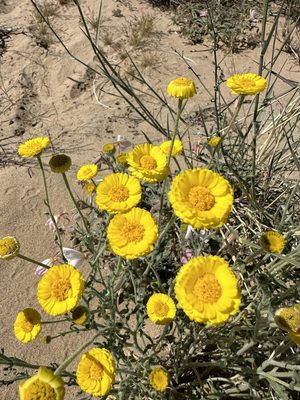
Desert Marigold
Baileya multiradiata
- Full sun
- Dry
- 12–18 in
- Blooms Mar–Oct

Common Yarrow
Achillea millefolium
- Full sun
- Dry–average
- 1.5–3 ft
- Blooms May–Aug
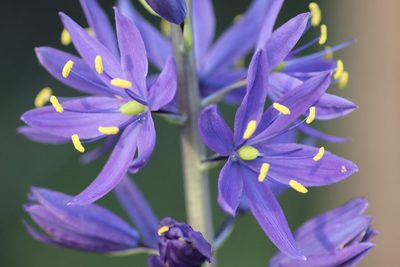
Common Camas
Camassia quamash
- Full–part sun
- Average–wet
- 1–2.5 ft
- Blooms Apr–May
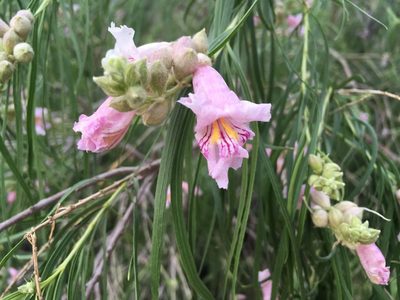
Desert Willow
Chilopsis linearis
- Full sun
- Dry
- 15–25 ft
- Blooms May–Sep
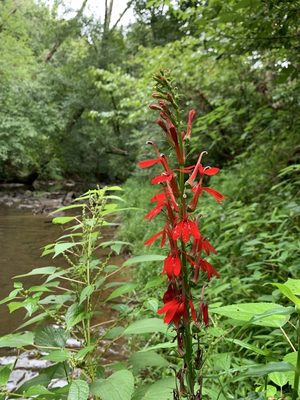
Cardinal Flower
Lobelia cardinalis
- Full–part sun
- Average–wet
- 2–4 ft
- Blooms Jul–Sep
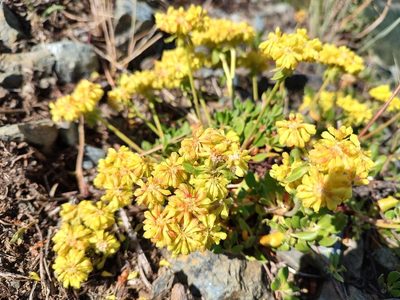
Sulphur-Flower Buckwheat
Eriogonum umbellatum
- Full sun
- Dry
- 6–18 in
- Blooms Jun–Aug
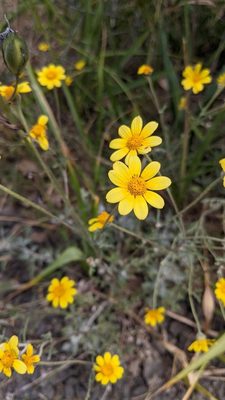
Oregon Sunshine
Eriophyllum lanatum
- Full sun
- Dry
- 0.7–2 ft
- Blooms May–Jul
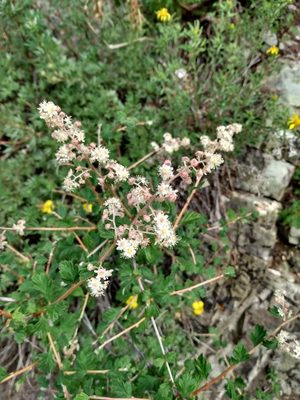
Oceanspray
Holodiscus discolor
- Sun to shade
- Dry–average
- 6–12 ft
- Blooms Jun–Jul
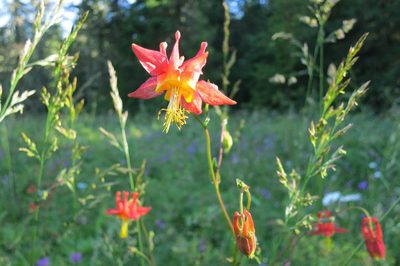
Western Columbine
Aquilegia formosa
- Part shade
- Average
- 1.5–3 ft
- Blooms Apr–Jul
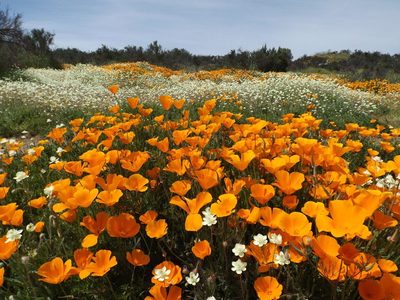
California Poppy
Eschscholzia californica
- Full sun
- Dry
- 8–18 in
- Blooms Mar–Jun

Saskatoon Serviceberry
Amelanchier alnifolia
- Full–part sun
- Dry–average
- 6–15 ft
- Blooms Apr–May
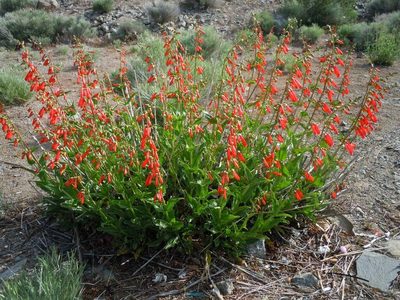
Firecracker Penstemon
Penstemon eatonii
- Full sun
- Dry
- 1.5–3 ft
- Blooms Mar–May
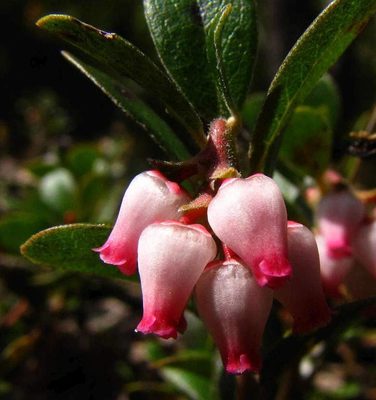
Bearberry
Arctostaphylos uva-ursi
- Full–part sun
- Dry
- 4–8 in
- Blooms Apr–May
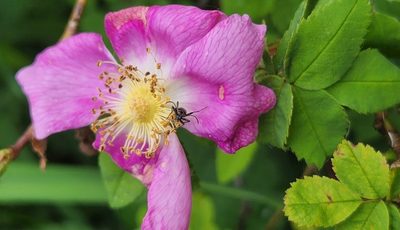
Nootka Rose
Rosa nutkana
- Full–part sun
- Average–wet
- 3–9 ft
- Blooms May–Jun
All 38 natives for Nevada.
Filter by what you want the planting to do. Every one of these is native to your region and hardy in zones 4–9.
| Plant | Light | Moisture | Bloom | Feeds |
|---|---|---|---|---|
| Autumn SageSalvia greggii | Full–part sun | Dry | Blooms Apr–Oct | |
| Apache PlumeFallugia paradoxa | Full sun | Dry | Blooms Apr–Sep | |
| Prairie SmokeGeum triflorum | Full–part sun | Dry | Blooms Apr–May | |
| Desert MarigoldBaileya multiradiata | Full sun | Dry | Blooms Mar–Oct | |
| Common YarrowAchillea millefolium | Full sun | Dry–average | Blooms May–Aug | |
| Common CamasCamassia quamash | Full–part sun | Average–wet | Blooms Apr–May | |
| California LilacCeanothus thyrsiflorus | Full sun | Dry | Blooms Mar–May | |
| Red-Flowering CurrantRibes sanguineum | Full–part sun | Dry–average | Blooms Mar–Apr | |
| Desert WillowChilopsis linearis | Full sun | Dry | Blooms May–Sep | |
| Gregg's MistflowerConoclinium greggii | Full–part sun | Dry–average | Blooms May–Oct | |
| Cardinal FlowerLobelia cardinalis | Full–part sun | Average–wet | Blooms Jul–Sep | |
| Pasque FlowerPulsatilla patens | Full sun | Dry | Blooms Mar–Apr | |
| Blue ElderberrySambucus cerulea | Full–part sun | Average–wet | Blooms Jun–Jul | |
| Chocolate FlowerBerlandiera lyrata | Full sun | Dry | Blooms May–Sep | |
| Flame AcanthusAnisacanthus quadrifidus var. wrightii | Full sun | Dry | Blooms Jun–Oct | |
| BlanketflowerGaillardia aristata | Full sun | Dry | Blooms Jun–Sep | |
| Sulphur-Flower BuckwheatEriogonum umbellatum | Full sun | Dry | Blooms Jun–Aug | |
| Oregon SunshineEriophyllum lanatum | Full sun | Dry | Blooms May–Jul | |
| OceansprayHolodiscus discolor | Sun to shade | Dry–average | Blooms Jun–Jul | |
| Western ColumbineAquilegia formosa | Part shade | Average | Blooms Apr–Jul | |
| ButtonbushCephalanthus occidentalis | Full–part sun | Average–wet | Blooms Jun–Aug | |
| California PoppyEschscholzia californica | Full sun | Dry | Blooms Mar–Jun | |
| Saskatoon ServiceberryAmelanchier alnifolia | Full–part sun | Dry–average | Blooms Apr–May | |
| Firecracker PenstemonPenstemon eatonii | Full sun | Dry | Blooms Mar–May | |
| Rocky Mountain PenstemonPenstemon strictus | Full sun | Dry | Blooms May–Jul | |
| BearberryArctostaphylos uva-ursi | Full–part sun | Dry | Blooms Apr–May | |
| Nootka RoseRosa nutkana | Full–part sun | Average–wet | Blooms May–Jun | |
| Oregon GrapeBerberis aquifolium | Sun to shade | Dry–average | Blooms Mar–Apr | |
| ToyonHeteromeles arbutifolia | Full–part sun | Dry | Blooms Jun–Jul | |
| Showy MilkweedAsclepias speciosa | Full sun | Dry–average | Blooms Jun–Jul | |
| Common SnowberrySymphoricarpos albus | Sun to shade | Dry–average | Blooms Jun–Jul | |
| Blue GramaBouteloua gracilis | Full sun | Dry | Blooms Jun–Aug | |
| Hairy ManzanitaArctostaphylos columbiana | Full–part sun | Dry | Blooms Mar–May | |
| Antelope BitterbrushPurshia tridentata | Full sun | Dry | Blooms Apr–Jun | |
| Sideoats GramaBouteloua curtipendula | Full sun | Dry | Blooms Jun–Jul | |
| Golden CurrantRibes aureum | Full–part sun | Dry–average | Blooms Apr–May | |
| Idaho FescueFestuca idahoensis | Full–part sun | Dry | Evergreen | |
| Little BluestemSchizachyrium scoparium | Full sun | Dry–average | Fall color |
No plants in this state match that goal.
What is blooming in Nevada in October.
4 of the 38 species native to Nevada flower in October. Every one of them wants full sun. It is a gold, red, blue month here.
Desert Marigold
Baileya multiradiata
- Full sun
- Dry
- 12–18 in
- Blooms Mar–Oct
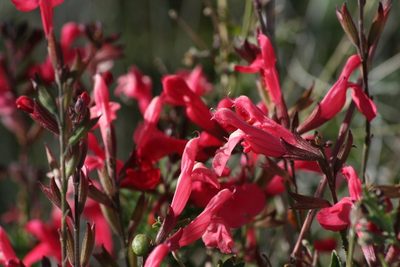
Autumn Sage
Salvia greggii
- Full–part sun
- Dry
- 2–3 ft
- Blooms Apr–Oct
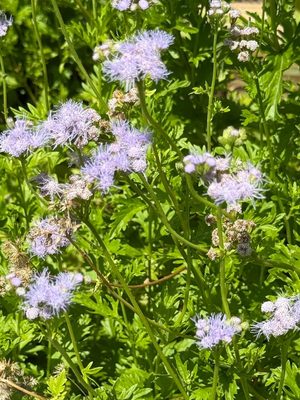
Gregg's Mistflower
Conoclinium greggii
- Full–part sun
- Dry–average
- 1–2 ft
- Blooms May–Oct
Flame Acanthus
Anisacanthus quadrifidus var. wrightii
- Full sun
- Dry
- 2–4 ft
- Blooms Jun–Oct
The jobs a native planting asks for in October, by hardiness band: what to do in the garden this month.
The same goals, across every state.
The filters above narrow this page. These open the subject properly, nationwide.
Pollinators
34 native species in Nevada
For bees
32 native species in Nevada
Butterflies
22 native species in Nevada
Hummingbirds
14 native species in Nevada
For birds
18 native species in Nevada
Deer-resistant
31 native species in Nevada
Full sun
37 native species in Nevada
Drought-tolerant
33 native species in Nevada
Clay soil
11 native species in Nevada
Rain garden
5 native species in Nevada
Groundcovers
5 native species in Nevada
Flowering shrubs
17 native species in Nevada
Low-maintenance
16 native species in Nevada
Evergreen
10 native species in Nevada
Fragrant
5 native species in Nevada
Gardening in Nevadawhat grows where, and why
Almost all of Nevada belongs to the Great Basin, which is defined by drainage rather than by scenery: water falling here does not reach an ocean. It collects in closed basins and evaporates, concentrating salts as it goes.
The landscape repeats: long narrow mountain ranges running north to south, separated by broad flat valleys, over and over across the state. Valleys carry sagebrush and salt desert scrub. The ranges rise into pinyon-juniper woodland and, on the highest, into montane forest with bristlecone pine on some peaks.
The southern tip around Las Vegas is different, belonging to the Mojave Desert: hotter, lower, and with Joshua tree and creosote rather than sagebrush.
Cold desert, not hot desert
Most of Nevada is high, and its deserts are cold ones. Winters bring real freezing and snow, and precipitation arrives largely in the cool season rather than in summer storms.
Native plants follow that pattern: they use winter and spring moisture, flower in spring or early summer, and go quiet through the dry heat. Watering them through late summer to keep them looking green works against their biology.
Sagebrush, rabbitbrush, winterfat, Indian ricegrass, desert peach, and the penstemons and buckwheats of the basins are the working palette for most of the state.
Salt and alkalinity
In closed basins, evaporation concentrates minerals, so valley-bottom soils are frequently alkaline and often saline. Playa margins can be salty enough to exclude nearly everything.
The native salt-desert species, including greasewood and shadscale, tolerate conditions that kill ordinary plants. On such sites they are the only reasonable choice, and trying to leach or amend the soil is not a durable fix.
Higher ground on alluvial fans generally drains better and is less saline, which is why those slopes carry more diverse vegetation.
Water, and planting to need almost none
Nevada receives less precipitation than any other state, and water conservation is a permanent feature of life here. A planting built from Great Basin natives can be genuinely unirrigated once established, which is the strongest argument for it.
Plant in fall so winter moisture can establish roots. Water deeply and infrequently during the first year to draw roots down, then taper off deliberately. Gravel mulch suits these species and the climate better than organic mulch.
Elevation varies a great deal, and a garden in Reno, Elko, or Las Vegas faces different winters. Check your elevation before selecting plants.
Confirming what is native to your county
The Nevada Native Plant Society maintains guidance for the state, and the Nevada Division of Natural Heritage documents species distribution and rare plants. University of Nevada Extension publishes water-efficient landscaping advice developed for these conditions.
Sources: Nevada Division of Natural Heritage (species distribution and rare plants); University of Nevada, Reno Extension (water-efficient landscaping); USDA PLANTS Database (native status by state).
Where to buy Nevada natives
Some links here are affiliate links and we may earn a small commission at no extra cost to you.
What a first-year Nevada planting needs, from a pH kit to mulch.
Put these plants in one real bed.
Draw a bed to scale, answer ten questions you can see from a window, and get a real answer for Nevada: whether the space works, roughly what the plants would cost, and which natives suit your light and drainage. Free, and nothing to sign up for.