Native Plants for Rhode Island
No point in Rhode Island is far from salt water, so wind, spray, and sandy outwash shape gardening here more than winter cold does.
Regions: the Northeast
Ecoregion: Narragansett coastal lowland
58 native species for Rhode Island, with the light, moisture and bloom time for each, and what every one of them feeds.
Plants to know in Rhode Island.
A cross-section of the 58 species native to your region, the workhorses worth starting with.
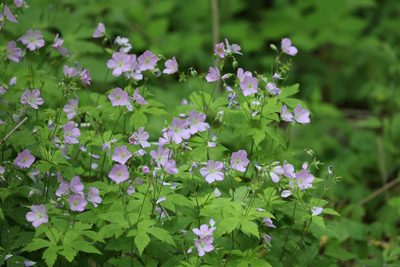
Wild Geranium
Geranium maculatum
- Part shade
- Average
- 1.5–2 ft
- Blooms Apr–Jun
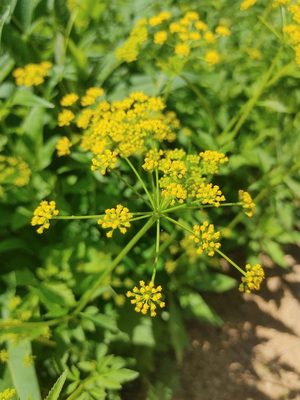
Golden Alexanders
Zizia aurea
- Full–part sun
- Average–wet
- 1.5–2.5 ft
- Blooms Apr–Jun
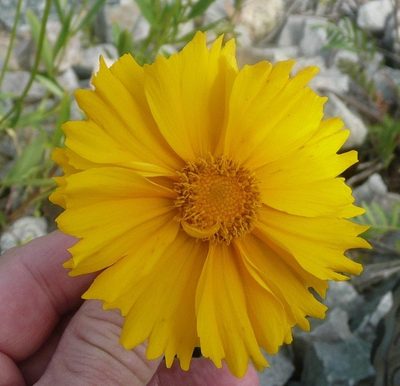
Lanceleaf Coreopsis
Coreopsis lanceolata
- Full sun
- Dry–average
- 1.5–2 ft
- Blooms May–Jul
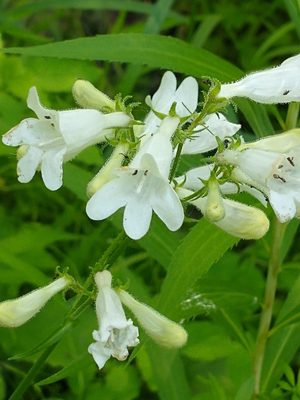
Foxglove Beardtongue
Penstemon digitalis
- Full–part sun
- Dry–average
- 2–4 ft
- Blooms May–Jun
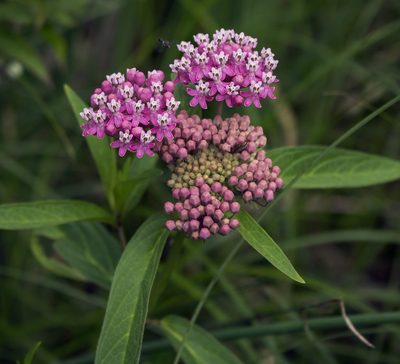
Swamp Milkweed
Asclepias incarnata
- Full–part sun
- Average–wet
- 3–4 ft
- Blooms Jul–Aug
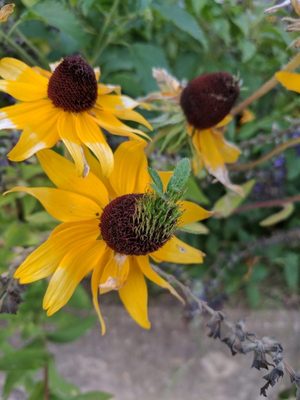
Black-Eyed Susan
Rudbeckia hirta
- Full–part sun
- Dry–average
- 1.5–3 ft
- Blooms Jun–Sep

Buttonbush
Cephalanthus occidentalis
- Full–part sun
- Average–wet
- 5–10 ft
- Blooms Jun–Aug
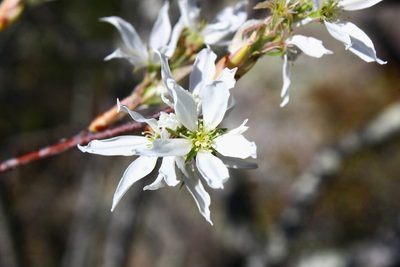
Serviceberry
Amelanchier canadensis
- Full–part sun
- Average–wet
- 15–25 ft
- Blooms Apr–May
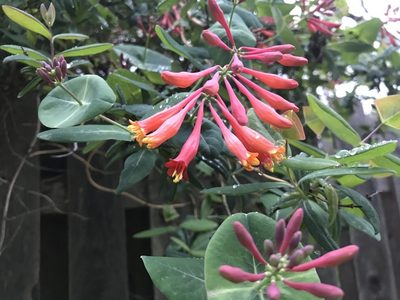
Trumpet Honeysuckle
Lonicera sempervirens
- Full–part sun
- Dry–average
- 8–15 ft
- Blooms Apr–Sep
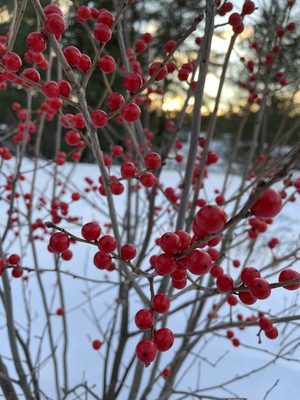
Winterberry
Ilex verticillata
- Full–part sun
- Average–wet
- 5–10 ft
- Blooms Jun–Jul

Wild Bergamot
Monarda fistulosa
- Full–part sun
- Dry–average
- 2–4 ft
- Blooms Jun–Aug
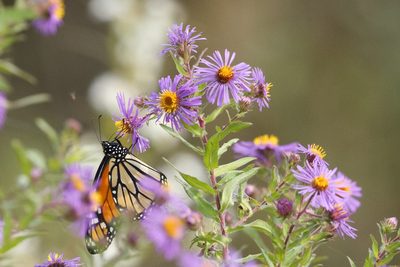
New England Aster
Symphyotrichum novae-angliae
- Full–part sun
- Average–wet
- 3–5 ft
- Blooms Sep–Oct

Arrowwood Viburnum
Viburnum dentatum
- Sun to shade
- Average–wet
- 6–10 ft
- Blooms May–Jun
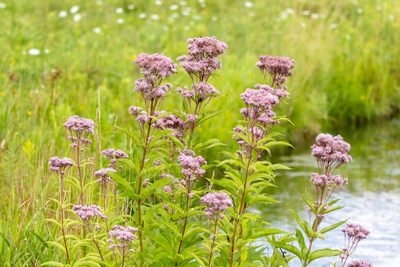
Spotted Joe-Pye Weed
Eutrochium maculatum
- Full–part sun
- Average–wet
- 4–7 ft
- Blooms Jul–Sep
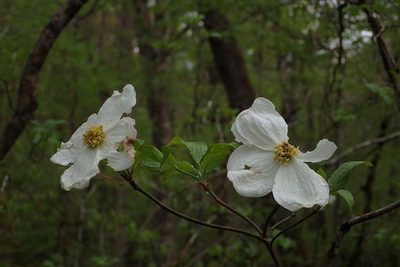
Flowering Dogwood
Cornus florida
- Part shade
- Average
- 15–25 ft
- Blooms Apr–May
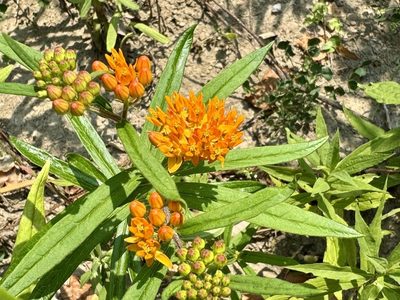
Butterfly Weed
Asclepias tuberosa
- Full sun
- Dry
- 1.5–2.5 ft
- Blooms Jun–Aug
All 58 natives for Rhode Island.
Filter by what you want the planting to do. Every one of these is native to your region and hardy in zones 6–7.
| Plant | Light | Moisture | Bloom | Feeds |
|---|---|---|---|---|
| Wild GeraniumGeranium maculatum | Part shade | Average | Blooms Apr–Jun | |
| Golden AlexandersZizia aurea | Full–part sun | Average–wet | Blooms Apr–Jun | |
| Wild Bleeding HeartDicentra eximia | Part shade | Average | Blooms Apr–Aug | |
| Lanceleaf CoreopsisCoreopsis lanceolata | Full sun | Dry–average | Blooms May–Jul | |
| Foxglove BeardtonguePenstemon digitalis | Full–part sun | Dry–average | Blooms May–Jun | |
| Great Blue LobeliaLobelia siphilitica | Full–part sun | Average–wet | Blooms Aug–Sep | |
| Swamp MilkweedAsclepias incarnata | Full–part sun | Average–wet | Blooms Jul–Aug | |
| Woodland PhloxPhlox divaricata | Part shade | Average | Blooms Apr–May | |
| Virginia BluebellsMertensia virginica | Part shade | Average–wet | Blooms Mar–May | |
| Black-Eyed SusanRudbeckia hirta | Full–part sun | Dry–average | Blooms Jun–Sep | |
| Smooth HydrangeaHydrangea arborescens | Part shade | Average | Blooms Jun–Aug | |
| Purple ConeflowerEchinacea purpurea | Full–part sun | Dry–average | Blooms Jun–Sep | |
| ButtonbushCephalanthus occidentalis | Full–part sun | Average–wet | Blooms Jun–Aug | |
| Dense Blazing StarLiatris spicata | Full sun | Average–wet | Blooms Jul–Aug | |
| ServiceberryAmelanchier canadensis | Full–part sun | Average–wet | Blooms Apr–May | |
| Trumpet HoneysuckleLonicera sempervirens | Full–part sun | Dry–average | Blooms Apr–Sep | |
| WinterberryIlex verticillata | Full–part sun | Average–wet | Blooms Jun–Jul | |
| Wild BergamotMonarda fistulosa | Full–part sun | Dry–average | Blooms Jun–Aug | |
| New England AsterSymphyotrichum novae-angliae | Full–part sun | Average–wet | Blooms Sep–Oct | |
| Arrowwood ViburnumViburnum dentatum | Sun to shade | Average–wet | Blooms May–Jun | |
| Spotted Joe-Pye WeedEutrochium maculatum | Full–part sun | Average–wet | Blooms Jul–Sep | |
| Scarlet BeebalmMonarda didyma | Full–part sun | Average–wet | Blooms Jul–Aug | |
| Culver's RootVeronicastrum virginicum | Full–part sun | Average–wet | Blooms Jun–Aug | |
| FoamflowerTiarella cordifolia | Part shade | Average | Blooms Apr–May | |
| Flowering DogwoodCornus florida | Part shade | Average | Blooms Apr–May | |
| Butterfly WeedAsclepias tuberosa | Full sun | Dry | Blooms Jun–Aug | |
| Common YarrowAchillea millefolium | Full sun | Dry–average | Blooms May–Aug | |
| Anise HyssopAgastache foeniculum | Full–part sun | Dry–average | Blooms Jun–Sep | |
| Obedient PlantPhysostegia virginiana | Full–part sun | Average–wet | Blooms Aug–Sep | |
| Wild ColumbineAquilegia canadensis | Part shade | Dry–average | Blooms Apr–Jun | |
| Short-Toothed Mountain MintPycnanthemum muticum | Full–part sun | Dry–average | Blooms Jul–Sep | |
| Cardinal FlowerLobelia cardinalis | Full–part sun | Average–wet | Blooms Jul–Sep | |
| Eastern RedbudCercis canadensis | Full–part sun | Dry–average | Blooms Mar–Apr | |
| Showy GoldenrodSolidago speciosa | Full–part sun | Dry–average | Blooms Sep–Oct | |
| American ElderberrySambucus canadensis | Full–part sun | Average–wet | Blooms Jun–Jul | |
| SpicebushLindera benzoin | Part shade | Average–wet | Blooms Mar–Apr | |
| Red-Twig DogwoodCornus sericea | Full–part sun | Average–wet | Blooms May–Jun | |
| Inkberry HollyIlex glabra | Full–part sun | Average–wet | Blooms May–Jun | |
| Common BonesetEupatorium perfoliatum | Full–part sun | Average–wet | Blooms Aug–Sep | |
| New Jersey TeaCeanothus americanus | Full–part sun | Dry | Blooms May–Jul | |
| Wild LupineLupinus perennis | Full–part sun | Dry | Blooms Apr–Jun | |
| Fragrant SumacRhus aromatica | Full–part sun | Dry | Blooms Mar–Apr | |
| Common SnowberrySymphoricarpos albus | Sun to shade | Dry–average | Blooms Jun–Jul | |
| Virginia CreeperParthenocissus quinquefolia | Sun to shade | Dry–average | Blooms Jun | |
| Common MilkweedAsclepias syriaca | Full–part sun | Dry–average | Blooms Jun–Jul | |
| Wild GingerAsarum canadense | Part shade | Average | Blooms Apr–May | |
| Creeping PhloxPhlox subulata | Full–part sun | Dry–average | Blooms Apr–May | |
| NinebarkPhysocarpus opulifolius | Full–part sun | Dry to wet | Blooms May–Jun | |
| BearberryArctostaphylos uva-ursi | Full–part sun | Dry | Blooms Apr–May | |
| Blue VervainVerbena hastata | Full–part sun | Average–wet | Blooms Jul–Sep | |
| Indian GrassSorghastrum nutans | Full sun | Dry–average | Fall color | |
| Little BluestemSchizachyrium scoparium | Full sun | Dry–average | Fall color | |
| Cinnamon FernOsmundastrum cinnamomeum | Part shade | Average–wet | Foliage | |
| Christmas FernPolystichum acrostichoides | Part shade | Dry–average | Evergreen | |
| Big BluestemAndropogon gerardii | Full sun | Dry to wet | Fall color | |
| Pennsylvania SedgeCarex pensylvanica | Part shade | Dry–average | Foliage | |
| Prairie DropseedSporobolus heterolepis | Full sun | Dry–average | Fall color | |
| SwitchgrassPanicum virgatum | Full–part sun | Dry to wet | Fall color |
No plants in this state match that goal.
What is blooming in Rhode Island in October.
2 of the 58 species native to Rhode Island flower in October. Every one of them wants full sun.
New England Aster
Symphyotrichum novae-angliae
- Full–part sun
- Average–wet
- 3–5 ft
- Blooms Sep–Oct
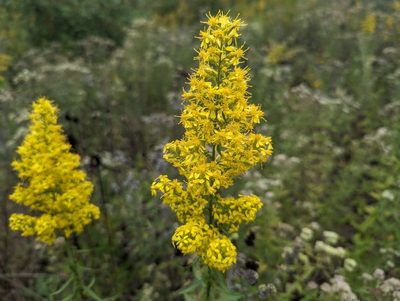
Showy Goldenrod
Solidago speciosa
- Full–part sun
- Dry–average
- 2–4 ft
- Blooms Sep–Oct
The jobs a native planting asks for in October, by hardiness band: what to do in the garden this month.
The same goals, across every state.
The filters above narrow this page. These open the subject properly, nationwide.
Pollinators
49 native species in Rhode Island
For bees
46 native species in Rhode Island
Butterflies
43 native species in Rhode Island
Hummingbirds
16 native species in Rhode Island
For birds
27 native species in Rhode Island
Deer-resistant
37 native species in Rhode Island
Full sun
45 native species in Rhode Island
For shade
16 native species in Rhode Island
Drought-tolerant
25 native species in Rhode Island
Clay soil
40 native species in Rhode Island
Rain garden
25 native species in Rhode Island
Groundcovers
12 native species in Rhode Island
Flowering shrubs
13 native species in Rhode Island
Grasses
6 native species in Rhode Island
Low-maintenance
30 native species in Rhode Island
Evergreen
5 native species in Rhode Island
Fall color
13 native species in Rhode Island
Fragrant
11 native species in Rhode Island
Gardening in Rhode Islandwhat grows where, and why
Narragansett Bay reaches deep into Rhode Island, and the ocean is close to everywhere. That proximity does two things: it moderates temperature, giving the state mild winters by New England standards, and it exposes an unusual share of gardens to salt-laden wind.
Salt tolerance is therefore a more common requirement here than in neighboring states. Wind-driven spray burns foliage on the exposed side of a plant well inland of the actual shoreline, and it does the damage in winter as readily as in summer. The coastal natives, bayberry, beach plum, inkberry, seaside goldenrod, and the switchgrass and little bluestem of back-dune grassland, take it without complaint.
South county sand, north county rock
The southern third of the state is glacial outwash: flat, sandy, fast-draining ground running down to the coastal ponds and barrier beaches. The natural vegetation there is pitch pine and scrub oak with coastal shrubland and remnants of sandplain grassland, and it is dry ground despite the humidity.
North and west, the land rises into rockier, more typical New England woodland on till soils, cooler and with a longer winter. The difference across such a short distance is easy to underestimate.
Aquidneck Island, Block Island, and the other coastal areas each have their own exposure, and Block Island in particular is windswept enough that shrub thickets rather than tall trees are the natural cover.
Planting for sand and salt
On outwash soils, plant lean-ground species and let them be. Adding rich compost to a sandy native bed produces soft growth that suffers in the first drought and does not help the plants that belong there.
Where salt is a factor, put the tolerant species on the windward edge as a screen and place less tolerant plants in their lee. A native shrub hedge on the exposed side is the traditional solution and it works.
Fall planting is a good option statewide thanks to the long mild autumn, giving roots months to establish before summer.
Confirming what is native to your county
The Rhode Island Natural History Survey documents the state's species and habitats, and the Rhode Island Wild Plant Society focuses specifically on native flora, running plant sales and field trips. Native Plant Trust covers the state in its regional conservation work, and the University of Rhode Island publishes guidance on coastal and stormwater plantings that is directly useful here.
Sources: Rhode Island Natural History Survey (species and habitat documentation); Rhode Island Department of Environmental Management (coastal habitats); USDA PLANTS Database (native status by state).
Where to buy Rhode Island natives
Some links here are affiliate links and we may earn a small commission at no extra cost to you.
What a first-year Rhode Island planting needs, from a pH kit to mulch.
Put these plants in one real bed.
Draw a bed to scale, answer ten questions you can see from a window, and get a real answer for Rhode Island: whether the space works, roughly what the plants would cost, and which natives suit your light and drainage. Free, and nothing to sign up for.