- Home
- Collections
- Fall color
Native Plants for Fall Color
Native trees, shrubs, and grasses that set the autumn garden alight with red, orange, copper, and gold.
Where the colors come from
Leaves are green because chlorophyll dominates. As days shorten, trees and shrubs shut chlorophyll production down and reclaim its nutrients, and what is left becomes visible.
Yellows and oranges were present all along, from carotenoids masked by the green. They are reliable, because nothing has to be made.
Reds and purples are different. Anthocyanins are manufactured in the leaf during autumn, using sugars trapped there, and their production depends on the weather. That is why the reds vary from year to year and the yellows do not.
The best red years follow a specific pattern: a warm sunny autumn with cool nights above freezing. Sunny days produce sugar; cool nights keep it in the leaf. An early hard freeze ends the process, and a warm cloudy fall mutes it.
Plant for more than trees
Fall color discussions default to maples. In a normal-sized yard, shrubs, vines, and grasses do more of the work and fit.
Virginia creeper turns a clear brilliant scarlet, often the earliest strong color in the woods. Fragrant sumac runs orange through burgundy. Oakleaf hydrangea holds deep wine and bronze into late fall. Arrowwood viburnum varies by plant from yellow through wine. Serviceberry and flowering dogwood do orange and crimson at small tree scale.
Grasses provide the other half of the palette, and it lasts longer. Little bluestem goes copper and holds it all winter. Prairie dropseed turns pumpkin orange then amber. Big bluestem goes bronze and wine purple. Indian grass turns gold. That color is present from October until you cut it in March.
Flowers are still doing the work in October
Fall color is not only foliage, and the flowering species matter more ecologically.
Aromatic aster opens in September and carries into November. New England aster, showy goldenrod, and stiff goldenrod peak in the same window. Pink muhly grass produces its pink cloud in October in the South.
Those are the plants feeding migrating monarchs and the bumblebee queens about to overwinter, so the fall display and the fall habitat value are the same planting.
Two ways to get more of it
Full sun produces stronger color than shade, particularly for the reds, since the anthocyanin process depends on sugar made in bright light. A shrub against a north wall will color less than the same shrub in the open.
Do not fertilize in late summer. Nitrogen late in the season keeps leaves green longer and delays the whole process, and it produces soft growth that a freeze damages.
Then leave it standing. The grasses hold their color into spring.
Sources: US Forest Service (autumn foliage chemistry and weather effects); Lady Bird Johnson Wildflower Center, University of Texas at Austin (species fall color notes); university extension guidance on fertilization timing and fall color development.
17 native species in this collection.
The natives behind New England's famous foliage will do the same work in your yard, and the show lasts far longer than the flowers did. Sugars trapped in the leaves on cool, sunny fall days drive the brightest color, so plant these in full sun for the most intense display. Pair fiery shrubs with the copper and amber of warm-season grasses for a season finale that rivals any flower bed.
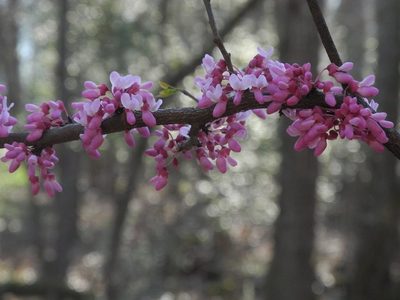
Eastern Redbud
Cercis canadensis
Bare branches erupt in rose-magenta in early spring, and the flowers feed the season's first bees.
- Full–part sun
- Dry–average
- 20–30 ft
- Blooms Mar–Apr
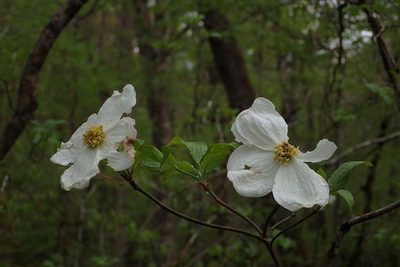
Flowering Dogwood
Cornus florida
The classic understory tree of the eastern woods, with white spring bracts and crimson fall leaves.
- Part shade
- Average
- 15–25 ft
- Blooms Apr–May

Saskatoon Serviceberry
Amelanchier alnifolia
White flowers before the leaves, then fruit that tastes like a sweet blueberry, then orange fall color.
- Full–part sun
- Dry–average
- 6–15 ft
- Blooms Apr–May
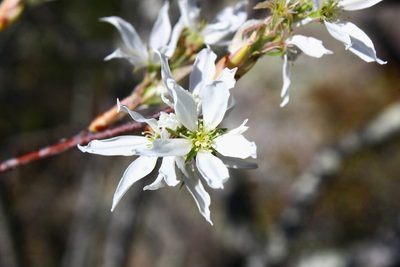
Serviceberry
Amelanchier canadensis
A small four-season tree: white spring flowers, June berries for the birds, and fiery fall color.
- Full–part sun
- Average–wet
- 15–25 ft
- Blooms Apr–May

Arrowwood Viburnum
Viburnum dentatum
A bulletproof hedge shrub with white spring flowers, blue fall berries, and burgundy autumn leaves.
- Sun to shade
- Average–wet
- 6–10 ft
- Blooms May–Jun
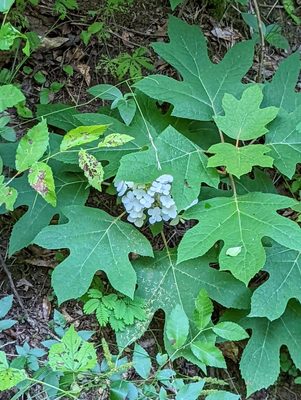
Oakleaf Hydrangea
Hydrangea quercifolia
A four-season southeastern shrub: white flower cones, wine-red fall leaves, cinnamon peeling bark.
- Part shade
- Average
- 4–8 ft
- Blooms May–Jul
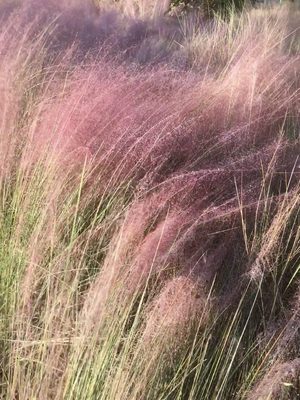
Pink Muhly Grass
Muhlenbergia capillaris
An autumn cloud of luminous pink that stops traffic when it blooms en masse.
- Full sun
- Dry–average
- 2–3 ft
- Blooms Sep–Oct
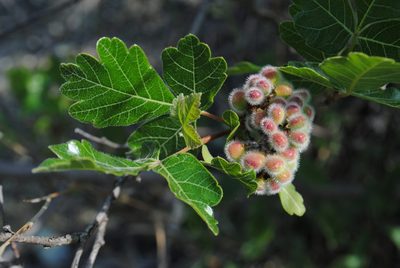
Fragrant Sumac
Rhus aromatica
A low, spreading shrub that blankets dry banks and blazes scarlet and orange in fall.
- Full–part sun
- Dry
- 2–6 ft
- Blooms Mar–Apr
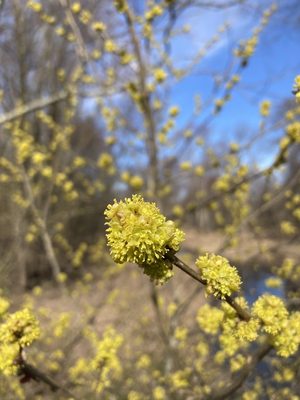
Spicebush
Lindera benzoin
An early-blooming shade shrub, host to the spicebush swallowtail, with butter-yellow fall color.
- Part shade
- Average–wet
- 6–12 ft
- Blooms Mar–Apr

Golden Currant
Ribes aureum
Yellow spring flowers that smell of cloves, black fruit birds strip in a week, and red foliage in the fall.
- Full–part sun
- Dry–average
- 4–8 ft
- Blooms Apr–May
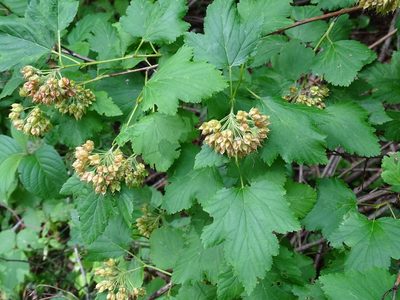
Ninebark
Physocarpus opulifolius
An adaptable, four-season shrub with spring flowers, colorful foliage, and peeling winter bark.
- Full–part sun
- Dry to wet
- 5–10 ft
- Blooms May–Jun
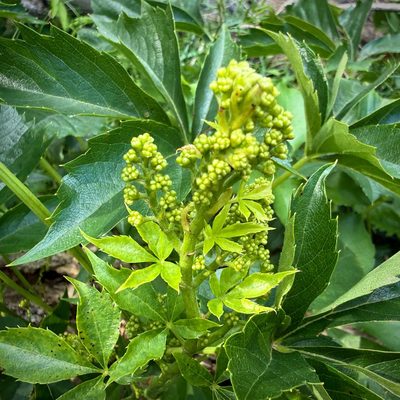
Virginia Creeper
Parthenocissus quinquefolia
A tough native climber grown for spectacular scarlet fall color and berries that 35+ bird species eat.
- Sun to shade
- Dry–average
- 30–50 ft
- Blooms Jun
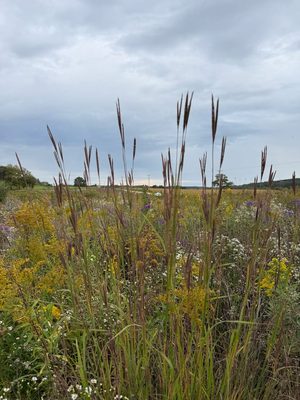
Big Bluestem
Andropogon gerardii
The towering 'turkey-foot' grass that once defined the tallgrass prairie, head-high by fall.
- Full sun
- Dry to wet
- 4–7 ft
- Fall color
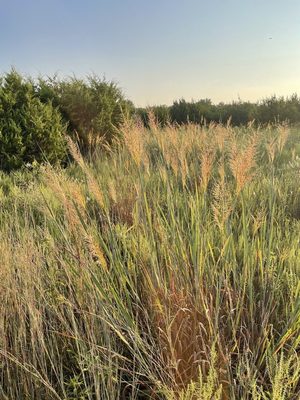
Indian Grass
Sorghastrum nutans
Tall golden plumes catch the autumn light above a classic tallgrass-prairie planting.
- Full sun
- Dry–average
- 4–7 ft
- Fall color
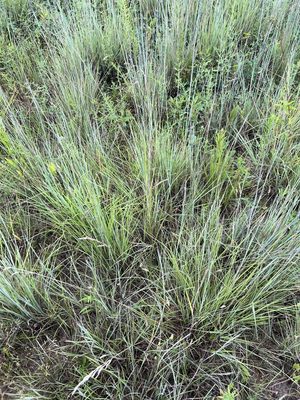
Little Bluestem
Schizachyrium scoparium
The backbone grass of the prairie: blue-green in summer, glowing copper and silver all winter.
- Full sun
- Dry–average
- 2–4 ft
- Fall color
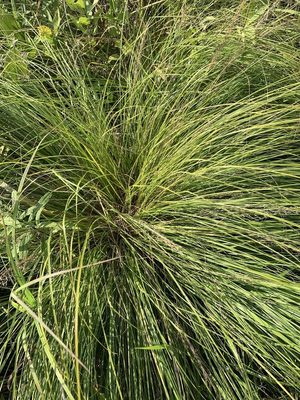
Prairie Dropseed
Sporobolus heterolepis
The most refined native grass: a fountain of fine emerald threads that turn amber in fall.
- Full sun
- Dry–average
- 2–3 ft
- Fall color
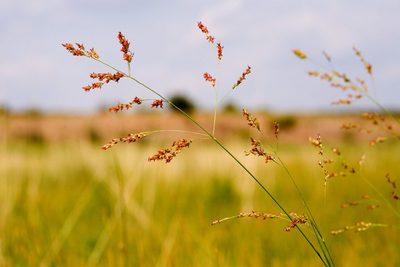
Switchgrass
Panicum virgatum
An upright, clumping grass with a summer haze of pink seed heads and reliable golden fall color.
- Full–part sun
- Dry to wet
- 3–6 ft
- Fall color
Fall color, near you.
Whether a species belongs in your yard depends on where you garden. These state guides cover it.
Where to find fall color plants
Some links here are affiliate links and we may earn a small commission at no extra cost to you.
What a first-year Fall color planting needs, from a pH kit to mulch.