Native Plants for Mississippi
The loess bluffs along the Mississippi River carry wind-blown silt deep enough to grow a forest unlike anything else in the state, and the Delta east of them is different again.
Regions: the Southeast
Ecoregion: Gulf Coastal Plain & Black Belt prairie
63 native species for Mississippi, with the light, moisture and bloom time for each, and what every one of them feeds.
Plants to know in Mississippi.
A cross-section of the 63 species native to your region, the workhorses worth starting with.
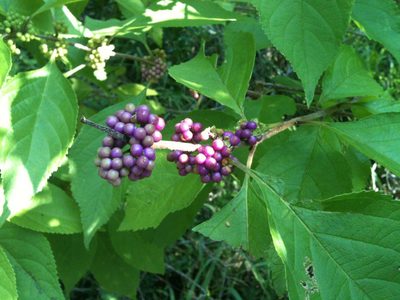
American Beautyberry
Callicarpa americana
- Full–part sun
- Dry–average
- 4–7 ft
- Blooms Jun–Jul
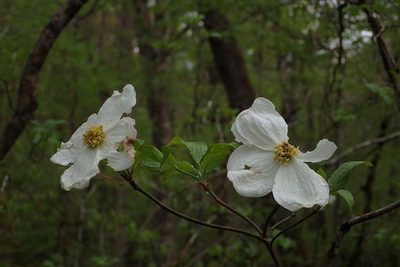
Flowering Dogwood
Cornus florida
- Part shade
- Average
- 15–25 ft
- Blooms Apr–May
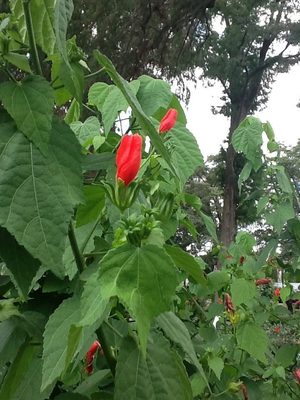
Turk's Cap
Malvaviscus arboreus var. drummondii
- Sun to shade
- Dry–average
- 2–5 ft
- Blooms May–Oct
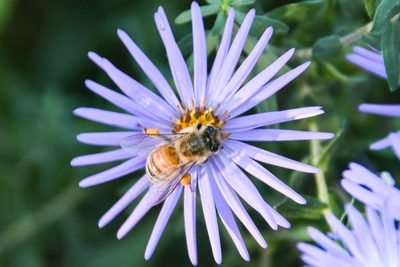
Aromatic Aster
Symphyotrichum oblongifolium
- Full sun
- Dry
- 1.5–2.5 ft
- Blooms Sep–Nov
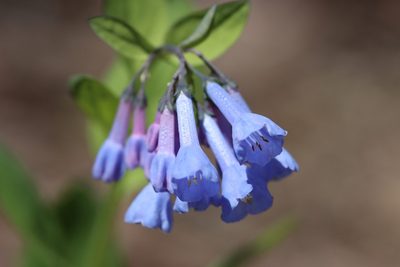
Virginia Bluebells
Mertensia virginica
- Part shade
- Average–wet
- 1–2 ft
- Blooms Mar–May
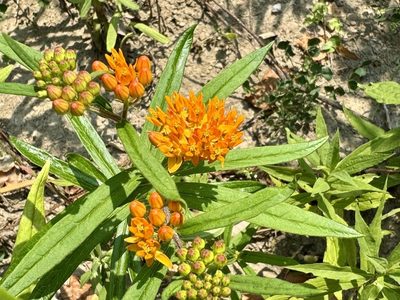
Butterfly Weed
Asclepias tuberosa
- Full sun
- Dry
- 1.5–2.5 ft
- Blooms Jun–Aug
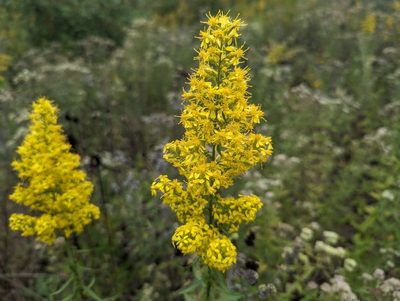
Showy Goldenrod
Solidago speciosa
- Full–part sun
- Dry–average
- 2–4 ft
- Blooms Sep–Oct
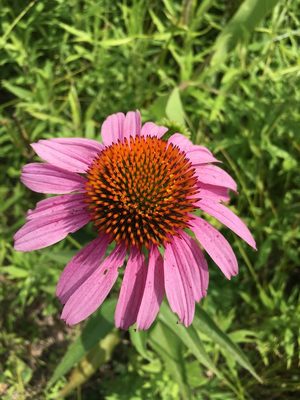
Purple Coneflower
Echinacea purpurea
- Full–part sun
- Dry–average
- 2–4 ft
- Blooms Jun–Sep
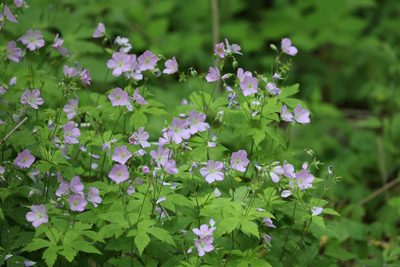
Wild Geranium
Geranium maculatum
- Part shade
- Average
- 1.5–2 ft
- Blooms Apr–Jun
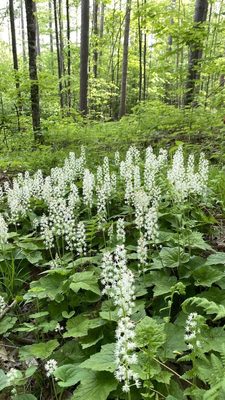
Foamflower
Tiarella cordifolia
- Part shade
- Average
- 6–12 in
- Blooms Apr–May

Arrowwood Viburnum
Viburnum dentatum
- Sun to shade
- Average–wet
- 6–10 ft
- Blooms May–Jun
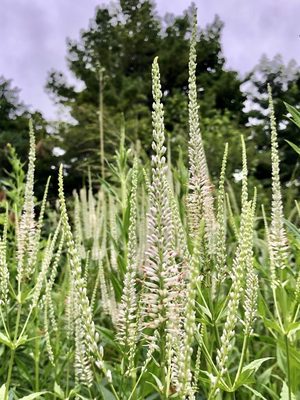
Culver's Root
Veronicastrum virginicum
- Full–part sun
- Average–wet
- 3–5 ft
- Blooms Jun–Aug
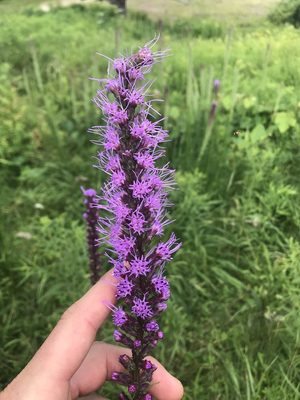
Dense Blazing Star
Liatris spicata
- Full sun
- Average–wet
- 2–4 ft
- Blooms Jul–Aug

Common Yarrow
Achillea millefolium
- Full sun
- Dry–average
- 1.5–3 ft
- Blooms May–Aug
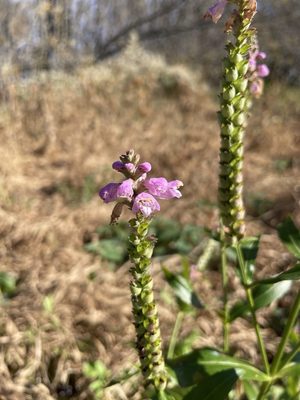
Obedient Plant
Physostegia virginiana
- Full–part sun
- Average–wet
- 2–4 ft
- Blooms Aug–Sep
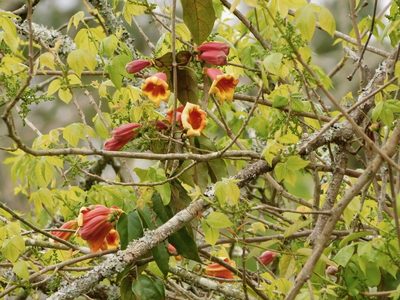
Crossvine
Bignonia capreolata
- Full–part sun
- Dry–average
- 25–50 ft
- Blooms Apr–May
All 63 natives for Mississippi.
Filter by what you want the planting to do. Every one of these is native to your region and hardy in zones 7–9.
| Plant | Light | Moisture | Bloom | Feeds |
|---|---|---|---|---|
| American BeautyberryCallicarpa americana | Full–part sun | Dry–average | Blooms Jun–Jul | |
| Flowering DogwoodCornus florida | Part shade | Average | Blooms Apr–May | |
| Turk's CapMalvaviscus arboreus var. drummondii | Sun to shade | Dry–average | Blooms May–Oct | |
| Aromatic AsterSymphyotrichum oblongifolium | Full sun | Dry | Blooms Sep–Nov | |
| Virginia BluebellsMertensia virginica | Part shade | Average–wet | Blooms Mar–May | |
| Butterfly WeedAsclepias tuberosa | Full sun | Dry | Blooms Jun–Aug | |
| Showy GoldenrodSolidago speciosa | Full–part sun | Dry–average | Blooms Sep–Oct | |
| Spotted Joe-Pye WeedEutrochium maculatum | Full–part sun | Average–wet | Blooms Jul–Sep | |
| Purple ConeflowerEchinacea purpurea | Full–part sun | Dry–average | Blooms Jun–Sep | |
| Wild GeraniumGeranium maculatum | Part shade | Average | Blooms Apr–Jun | |
| FoamflowerTiarella cordifolia | Part shade | Average | Blooms Apr–May | |
| Arrowwood ViburnumViburnum dentatum | Sun to shade | Average–wet | Blooms May–Jun | |
| Culver's RootVeronicastrum virginicum | Full–part sun | Average–wet | Blooms Jun–Aug | |
| Dense Blazing StarLiatris spicata | Full sun | Average–wet | Blooms Jul–Aug | |
| Common YarrowAchillea millefolium | Full sun | Dry–average | Blooms May–Aug | |
| Obedient PlantPhysostegia virginiana | Full–part sun | Average–wet | Blooms Aug–Sep | |
| ServiceberryAmelanchier canadensis | Full–part sun | Average–wet | Blooms Apr–May | |
| CrossvineBignonia capreolata | Full–part sun | Dry–average | Blooms Apr–May | |
| Great Blue LobeliaLobelia siphilitica | Full–part sun | Average–wet | Blooms Aug–Sep | |
| WinterberryIlex verticillata | Full–part sun | Average–wet | Blooms Jun–Jul | |
| Swamp MilkweedAsclepias incarnata | Full–part sun | Average–wet | Blooms Jul–Aug | |
| Trumpet HoneysuckleLonicera sempervirens | Full–part sun | Dry–average | Blooms Apr–Sep | |
| Eastern RedbudCercis canadensis | Full–part sun | Dry–average | Blooms Mar–Apr | |
| Lanceleaf CoreopsisCoreopsis lanceolata | Full sun | Dry–average | Blooms May–Jul | |
| Foxglove BeardtonguePenstemon digitalis | Full–part sun | Dry–average | Blooms May–Jun | |
| Prairie Blazing StarLiatris pycnostachya | Full sun | Dry–average | Blooms Jul–Aug | |
| Woodland PhloxPhlox divaricata | Part shade | Average | Blooms Apr–May | |
| Cardinal FlowerLobelia cardinalis | Full–part sun | Average–wet | Blooms Jul–Sep | |
| Black-Eyed SusanRudbeckia hirta | Full–part sun | Dry–average | Blooms Jun–Sep | |
| Wild BergamotMonarda fistulosa | Full–part sun | Dry–average | Blooms Jun–Aug | |
| Smooth HydrangeaHydrangea arborescens | Part shade | Average | Blooms Jun–Aug | |
| Scarlet BeebalmMonarda didyma | Full–part sun | Average–wet | Blooms Jul–Aug | |
| New England AsterSymphyotrichum novae-angliae | Full–part sun | Average–wet | Blooms Sep–Oct | |
| Wild Bleeding HeartDicentra eximia | Part shade | Average | Blooms Apr–Aug | |
| Cup PlantSilphium perfoliatum | Full–part sun | Average–wet | Blooms Jul–Sep | |
| Short-Toothed Mountain MintPycnanthemum muticum | Full–part sun | Dry–average | Blooms Jul–Sep | |
| Golden AlexandersZizia aurea | Full–part sun | Average–wet | Blooms Apr–Jun | |
| ButtonbushCephalanthus occidentalis | Full–part sun | Average–wet | Blooms Jun–Aug | |
| Wild ColumbineAquilegia canadensis | Part shade | Dry–average | Blooms Apr–Jun | |
| Oakleaf HydrangeaHydrangea quercifolia | Part shade | Average | Blooms May–Jul | |
| Pink Muhly GrassMuhlenbergia capillaris | Full sun | Dry–average | Blooms Sep–Oct | |
| NinebarkPhysocarpus opulifolius | Full–part sun | Dry to wet | Blooms May–Jun | |
| Fragrant SumacRhus aromatica | Full–part sun | Dry | Blooms Mar–Apr | |
| Wild LupineLupinus perennis | Full–part sun | Dry | Blooms Apr–Jun | |
| Stiff GoldenrodSolidago rigida | Full sun | Dry–average | Blooms Aug–Oct | |
| Creeping PhloxPhlox subulata | Full–part sun | Dry–average | Blooms Apr–May | |
| New Jersey TeaCeanothus americanus | Full–part sun | Dry | Blooms May–Jul | |
| Inkberry HollyIlex glabra | Full–part sun | Average–wet | Blooms May–Jun | |
| SpicebushLindera benzoin | Part shade | Average–wet | Blooms Mar–Apr | |
| Blue VervainVerbena hastata | Full–part sun | Average–wet | Blooms Jul–Sep | |
| American ElderberrySambucus canadensis | Full–part sun | Average–wet | Blooms Jun–Jul | |
| Wild GingerAsarum canadense | Part shade | Average | Blooms Apr–May | |
| Virginia CreeperParthenocissus quinquefolia | Sun to shade | Dry–average | Blooms Jun | |
| Common MilkweedAsclepias syriaca | Full–part sun | Dry–average | Blooms Jun–Jul | |
| Common BonesetEupatorium perfoliatum | Full–part sun | Average–wet | Blooms Aug–Sep | |
| Rattlesnake MasterEryngium yuccifolium | Full sun | Dry–average | Blooms Jun–Aug | |
| Big BluestemAndropogon gerardii | Full sun | Dry to wet | Fall color | |
| Little BluestemSchizachyrium scoparium | Full sun | Dry–average | Fall color | |
| Indian GrassSorghastrum nutans | Full sun | Dry–average | Fall color | |
| Christmas FernPolystichum acrostichoides | Part shade | Dry–average | Evergreen | |
| Pennsylvania SedgeCarex pensylvanica | Part shade | Dry–average | Foliage | |
| SwitchgrassPanicum virgatum | Full–part sun | Dry to wet | Fall color | |
| Cinnamon FernOsmundastrum cinnamomeum | Part shade | Average–wet | Foliage |
No plants in this state match that goal.
What is blooming in Mississippi in October.
6 of the 63 species native to Mississippi flower in October. All of them take full sun, and 1 will flower in shade as well. It is a red, blue, gold month here.
Turk's Cap
Malvaviscus arboreus var. drummondii
- Sun to shade
- Dry–average
- 2–5 ft
- Blooms May–Oct
Aromatic Aster
Symphyotrichum oblongifolium
- Full sun
- Dry
- 1.5–2.5 ft
- Blooms Sep–Nov
Showy Goldenrod
Solidago speciosa
- Full–part sun
- Dry–average
- 2–4 ft
- Blooms Sep–Oct
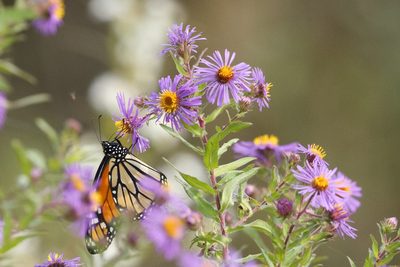
New England Aster
Symphyotrichum novae-angliae
- Full–part sun
- Average–wet
- 3–5 ft
- Blooms Sep–Oct
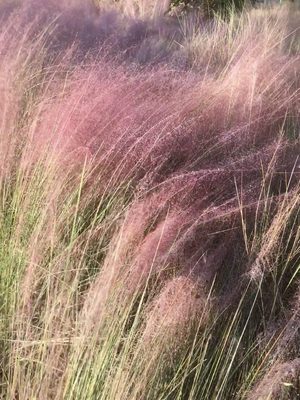
Pink Muhly Grass
Muhlenbergia capillaris
- Full sun
- Dry–average
- 2–3 ft
- Blooms Sep–Oct
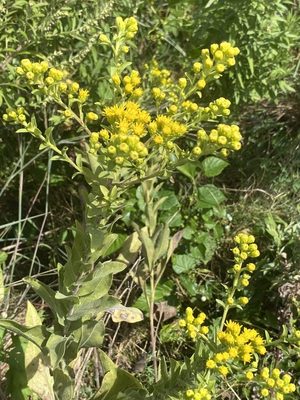
Stiff Goldenrod
Solidago rigida
- Full sun
- Dry–average
- 3–5 ft
- Blooms Aug–Oct
The jobs a native planting asks for in October, by hardiness band: what to do in the garden this month.
The same goals, across every state.
The filters above narrow this page. These open the subject properly, nationwide.
Pollinators
54 native species in Mississippi
For bees
50 native species in Mississippi
Butterflies
47 native species in Mississippi
Hummingbirds
15 native species in Mississippi
For birds
27 native species in Mississippi
Deer-resistant
40 native species in Mississippi
Full sun
49 native species in Mississippi
For shade
17 native species in Mississippi
Drought-tolerant
29 native species in Mississippi
Clay soil
46 native species in Mississippi
Rain garden
25 native species in Mississippi
Groundcovers
10 native species in Mississippi
Flowering shrubs
14 native species in Mississippi
Grasses
6 native species in Mississippi
Low-maintenance
31 native species in Mississippi
Evergreen
5 native species in Mississippi
Fall color
14 native species in Mississippi
Fragrant
9 native species in Mississippi
Gardening in Mississippiwhat grows where, and why
Western Mississippi is defined by the river. The Delta in the northwest is alluvial floodplain, flat and exceptionally fertile, historically bottomland hardwood forest of oak, gum, and cypress, now almost entirely farmed. Soils there are heavy, rich, and slow to drain.
Immediately east, a band of loess bluffs rises above the floodplain. The silt was blown off glacial outwash to the west and piled deep against the bluff line, and it erodes into steep, sharp ravines. The forest on that loess is distinctive, richer than the surrounding pine country, with beech, magnolia, and a diverse understory that includes species disjunct from the Appalachians.
Prairie in a pine state
The Black Belt reaches into eastern Mississippi, bringing the same chalk-derived alkaline clay found in Alabama and the same prairie flora growing on it. The Jackson Prairie in the central part of the state is a second, smaller occurrence.
These alkaline prairie soils are the exception in a state whose default is acidic sand, and gardeners on them should be planting prairie species rather than the usual southeastern acid-soil list.
Piney Woods and the coast
Most of southern Mississippi was longleaf pine savanna over sandy, acidic soil, maintained by fire and carrying a rich sun-loving ground layer. Pitcher plant bogs occur in the wetter flats and are among the more remarkable plant communities in the region.
The Gulf coast adds salt spray, storm surge, and hurricane wind. Native maritime species handle these; most ornamentals do not.
Heat, humidity, and drainage
Mississippi summers are long, hot, and very humid, and rainfall is high. As across the Deep South, fungal disease and waterlogged roots kill more garden plants than drought.
Read the drainage on your site before choosing anything. Delta clay, bluff loess, Black Belt chalk clay, and Piney Woods sand are four genuinely different growing media, and they occur within a couple hours of each other.
Fall planting is the right default, with the long mild autumn giving roots months of growth before summer.
Confirming what is native to your county
The Mississippi Native Plant Society and the Mississippi Museum of Natural Science, part of the Department of Wildlife, Fisheries and Parks, maintain guidance on the state's flora and natural communities. Crosby Arboretum in Picayune is a notable regional resource, built specifically to display the native plant communities of the Pearl River basin.
Sources: Mississippi Museum of Natural Science, Department of Wildlife, Fisheries and Parks (natural communities and heritage program); Crosby Arboretum, Mississippi State University (regional native plant communities); USDA PLANTS Database (native status by state).
Where to buy Mississippi natives
Some links here are affiliate links and we may earn a small commission at no extra cost to you.
What a first-year Mississippi planting needs, from a pH kit to mulch.
Put these plants in one real bed.
Draw a bed to scale, answer ten questions you can see from a window, and get a real answer for Mississippi: whether the space works, roughly what the plants would cost, and which natives suit your light and drainage. Free, and nothing to sign up for.
The $7 Mississippi Native Planting Workbook takes the whole state with you: the year month by month, every profiled species, and what Mississippi has listed. About the workbook.