- Home
- Plant guide
- Butterfly Weed
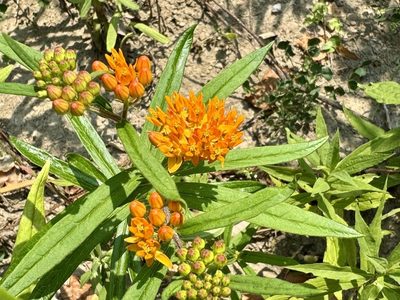
Butterfly Weed
Asclepias tuberosa
A monarch host plant and the brightest orange in the native palette, thriving in lean, dry soil.
Native to: the Northeast · the Mid-Atlantic · the Southeast · the Midwest · the Great Plains · the South-Central region
Growing Butterfly Weed
Sends down a deep taproot, so site it where it can stay put, because it resents being moved. Slow to emerge in spring; mark its spot so you don't dig it up.
Where it belongs
Butterfly weed is a milkweed, despite looking nothing like the tall pink one in the ditch. It is native across most of the eastern and central states, growing in dry open ground: prairie, roadside, sandy field, and rocky slope.
It is the milkweed for a garden. Common milkweed spreads by rhizome and takes over; this one forms a clump and stays there for years. If you want to support monarchs in a bed rather than a meadow, this is usually the right species, alongside whichever milkweeds are native to your own region.
Growing it
Two things kill it, and neither is cold.
The first is wet ground. It wants sharp drainage, and heavy soil that stays damp in winter will rot the root. On clay, plant it high or improve the drainage of the whole area rather than the planting hole.
The second is moving it. It sends down a deep taproot early, and a plant lifted after its first year rarely recovers. Choose the position before planting and leave it there. For the same reason, buy small plants or grow from seed rather than large containerized stock, which is often already root-bound.
It emerges very late in spring, weeks after everything else. Every year people conclude it died over winter and dig it up in April. Mark the spot in autumn so you do not.
What it feeds
Monarch caterpillars eat milkweed foliage and nothing else, so any milkweed is a host plant rather than merely a nectar source. Expect chewed leaves. That damage is the plant doing its job, and spraying anything at all defeats the purpose of having planted it.
The flowers themselves are heavily worked by bees and butterflies, and the nectar is accessible to short-tongued insects that cannot use deeper flowers.
Living with it
It is long-lived once settled, slow to start, and needs no fertilizer, staking, division, or water after its first season. Aphids often colonize the stems in summer; they look alarming and rarely matter, and a hose is enough if you object to them.
Leave the stems standing through winter. Cut back in late spring, after overwintering insects have emerged and after the plant has shown you where it is.
Sources: USDA PLANTS Database (native status and range); Xerces Society for Invertebrate Conservation (milkweed and monarch guidance); Lady Bird Johnson Wildflower Center, University of Texas at Austin (species profile).
It’s deer-resistant, drought-tolerant, showy, and long-blooming.Where it grows
Butterfly Weed is native to the Northeast. In the wild you’ll find it across Alabama · Arkansas · Colorado · Connecticut · Delaware · Florida · Georgia · Illinois · Indiana · Iowa and 32 more states. Always confirm it suits your specific county with your state native plant society before planting.
Regional Garden has written state guides covering Butterfly Weed in 42 of them so far.
Good for
Where to buy Butterfly Weed
Some links here are affiliate links and we may earn a small commission at no extra cost to you.
What a first-year Butterfly Weed planting needs, from a pH kit to mulch.
Companions & kin.
Natives that share Butterfly Weed’s range and conditions.
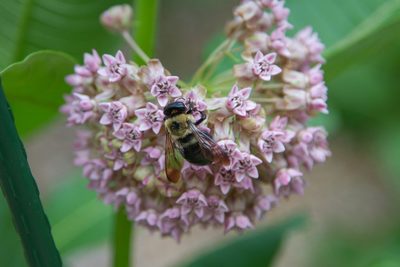
Common Milkweed
Asclepias syriaca
The classic monarch nursery, with honey-scented summer flowers that perfume an entire meadow.
- Full–part sun
- Dry–average
- 3–5 ft
- Blooms Jun–Jul

Common Yarrow
Achillea millefolium
A near-continental native with flat flower heads that feed tiny beneficial insects, tough as a weed.
- Full sun
- Dry–average
- 1.5–3 ft
- Blooms May–Aug
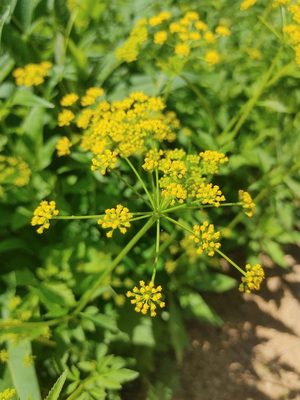
Golden Alexanders
Zizia aurea
Early flat gold heads that feed the first small bees and host the black swallowtail.
- Full–part sun
- Average–wet
- 1.5–2.5 ft
- Blooms Apr–Jun
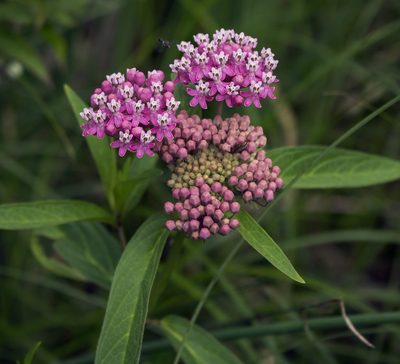
Swamp Milkweed
Asclepias incarnata
A well-behaved, clump-forming milkweed for wet ground: a monarch host that also looks at home in a border.
- Full–part sun
- Average–wet
- 3–4 ft
- Blooms Jul–Aug