Native Plants for Oregon
West of the Cascades the rain stops for the entire summer, which makes summer-dry tolerance, not cold hardiness, the trait that decides what survives in an Oregon garden.
Regions: the Pacific Northwest · California · the Great Basin
Ecoregion: Willamette Valley, Cascades & high desert
32 native species for Oregon, with the light, moisture and bloom time for each, and what every one of them feeds.
Plants to know in Oregon.
A cross-section of the 32 species native to your region, the workhorses worth starting with.
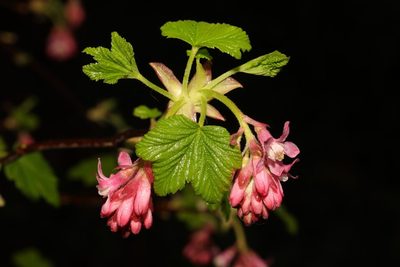
Red-Flowering Currant
Ribes sanguineum
- Full–part sun
- Dry–average
- 5–9 ft
- Blooms Mar–Apr
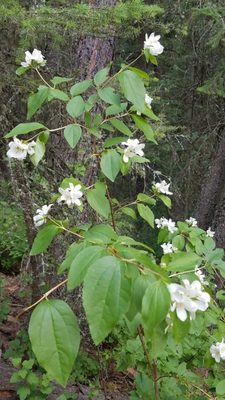
Lewis's Mock Orange
Philadelphus lewisii
- Full–part sun
- Dry–average
- 5–10 ft
- Blooms May–Jun
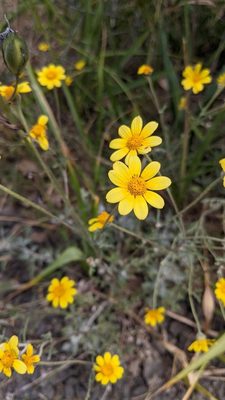
Oregon Sunshine
Eriophyllum lanatum
- Full sun
- Dry
- 0.7–2 ft
- Blooms May–Jul
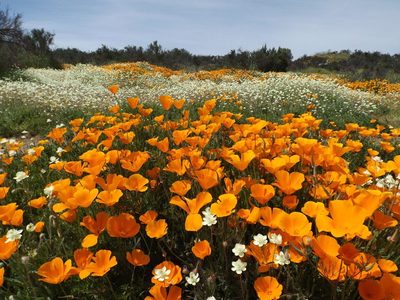
California Poppy
Eschscholzia californica
- Full sun
- Dry
- 8–18 in
- Blooms Mar–Jun
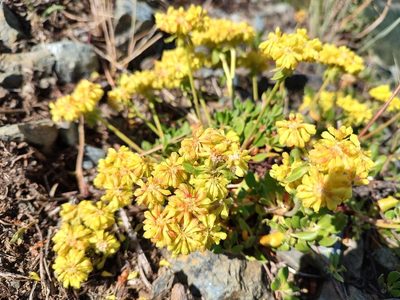
Sulphur-Flower Buckwheat
Eriogonum umbellatum
- Full sun
- Dry
- 6–18 in
- Blooms Jun–Aug
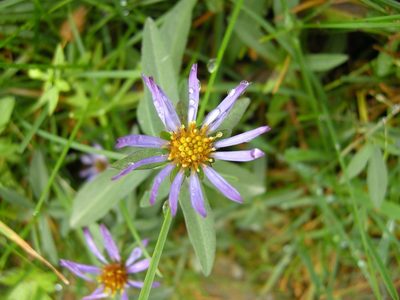
Douglas Aster
Symphyotrichum subspicatum
- Full–part sun
- Average–wet
- 2–4 ft
- Blooms Aug–Oct
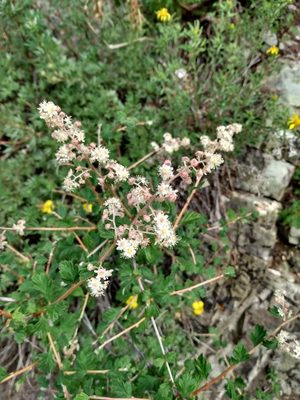
Oceanspray
Holodiscus discolor
- Sun to shade
- Dry–average
- 6–12 ft
- Blooms Jun–Jul
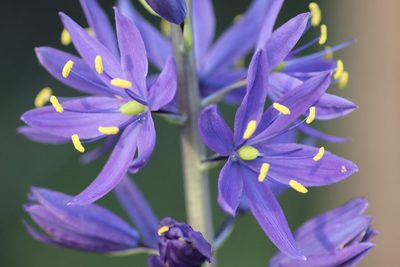
Common Camas
Camassia quamash
- Full–part sun
- Average–wet
- 1–2.5 ft
- Blooms Apr–May

Prairie Smoke
Geum triflorum
- Full–part sun
- Dry
- 6–16 in
- Blooms Apr–May

Saskatoon Serviceberry
Amelanchier alnifolia
- Full–part sun
- Dry–average
- 6–15 ft
- Blooms Apr–May
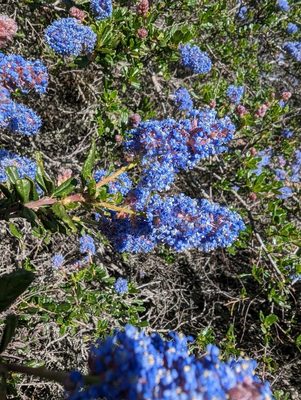
California Lilac
Ceanothus thyrsiflorus
- Full sun
- Dry
- 6–20 ft
- Blooms Mar–May
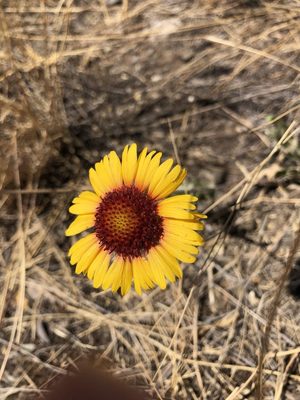
Blanketflower
Gaillardia aristata
- Full sun
- Dry
- 1–2.5 ft
- Blooms Jun–Sep

Common Yarrow
Achillea millefolium
- Full sun
- Dry–average
- 1.5–3 ft
- Blooms May–Aug
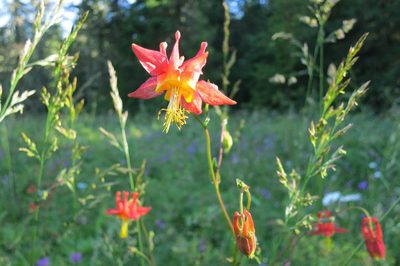
Western Columbine
Aquilegia formosa
- Part shade
- Average
- 1.5–3 ft
- Blooms Apr–Jul
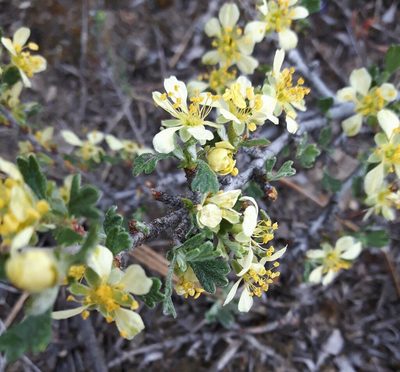
Antelope Bitterbrush
Purshia tridentata
- Full sun
- Dry
- 3–8 ft
- Blooms Apr–Jun
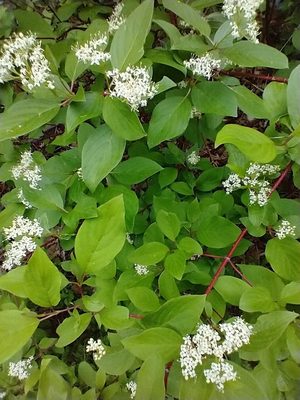
Red-Twig Dogwood
Cornus sericea
- Full–part sun
- Average–wet
- 6–9 ft
- Blooms May–Jun
All 32 natives for Oregon.
Filter by what you want the planting to do. Every one of these is native to your region and hardy in zones 4–9.
| Plant | Light | Moisture | Bloom | Feeds |
|---|---|---|---|---|
| Red-Flowering CurrantRibes sanguineum | Full–part sun | Dry–average | Blooms Mar–Apr | |
| Lewis's Mock OrangePhiladelphus lewisii | Full–part sun | Dry–average | Blooms May–Jun | |
| Oregon SunshineEriophyllum lanatum | Full sun | Dry | Blooms May–Jul | |
| Rocky Mountain PenstemonPenstemon strictus | Full sun | Dry | Blooms May–Jul | |
| California PoppyEschscholzia californica | Full sun | Dry | Blooms Mar–Jun | |
| Sulphur-Flower BuckwheatEriogonum umbellatum | Full sun | Dry | Blooms Jun–Aug | |
| ButtonbushCephalanthus occidentalis | Full–part sun | Average–wet | Blooms Jun–Aug | |
| Douglas AsterSymphyotrichum subspicatum | Full–part sun | Average–wet | Blooms Aug–Oct | |
| Apache PlumeFallugia paradoxa | Full sun | Dry | Blooms Apr–Sep | |
| OceansprayHolodiscus discolor | Sun to shade | Dry–average | Blooms Jun–Jul | |
| Common CamasCamassia quamash | Full–part sun | Average–wet | Blooms Apr–May | |
| Prairie SmokeGeum triflorum | Full–part sun | Dry | Blooms Apr–May | |
| Firecracker PenstemonPenstemon eatonii | Full sun | Dry | Blooms Mar–May | |
| Saskatoon ServiceberryAmelanchier alnifolia | Full–part sun | Dry–average | Blooms Apr–May | |
| Blue ElderberrySambucus cerulea | Full–part sun | Average–wet | Blooms Jun–Jul | |
| California LilacCeanothus thyrsiflorus | Full sun | Dry | Blooms Mar–May | |
| BlanketflowerGaillardia aristata | Full sun | Dry | Blooms Jun–Sep | |
| Pasque FlowerPulsatilla patens | Full sun | Dry | Blooms Mar–Apr | |
| Common YarrowAchillea millefolium | Full sun | Dry–average | Blooms May–Aug | |
| Western ColumbineAquilegia formosa | Part shade | Average | Blooms Apr–Jul | |
| Antelope BitterbrushPurshia tridentata | Full sun | Dry | Blooms Apr–Jun | |
| Red-Twig DogwoodCornus sericea | Full–part sun | Average–wet | Blooms May–Jun | |
| Golden CurrantRibes aureum | Full–part sun | Dry–average | Blooms Apr–May | |
| BearberryArctostaphylos uva-ursi | Full–part sun | Dry | Blooms Apr–May | |
| Common SnowberrySymphoricarpos albus | Sun to shade | Dry–average | Blooms Jun–Jul | |
| ToyonHeteromeles arbutifolia | Full–part sun | Dry | Blooms Jun–Jul | |
| Nootka RoseRosa nutkana | Full–part sun | Average–wet | Blooms May–Jun | |
| Hairy ManzanitaArctostaphylos columbiana | Full–part sun | Dry | Blooms Mar–May | |
| Showy MilkweedAsclepias speciosa | Full sun | Dry–average | Blooms Jun–Jul | |
| Oregon GrapeBerberis aquifolium | Sun to shade | Dry–average | Blooms Mar–Apr | |
| Blue GramaBouteloua gracilis | Full sun | Dry | Blooms Jun–Aug | |
| Idaho FescueFestuca idahoensis | Full–part sun | Dry | Evergreen |
No plants in this state match that goal.
What is blooming in Oregon in October.
1 of the 32 species native to Oregon flower in October. Every one of them wants full sun.
The jobs a native planting asks for in October, by hardiness band: what to do in the garden this month.
The same goals, across every state.
The filters above narrow this page. These open the subject properly, nationwide.
Pollinators
30 native species in Oregon
For bees
30 native species in Oregon
Butterflies
16 native species in Oregon
Hummingbirds
10 native species in Oregon
For birds
18 native species in Oregon
Deer-resistant
24 native species in Oregon
Full sun
31 native species in Oregon
Drought-tolerant
26 native species in Oregon
Clay soil
10 native species in Oregon
Rain garden
6 native species in Oregon
Flowering shrubs
17 native species in Oregon
Low-maintenance
17 native species in Oregon
Evergreen
9 native species in Oregon
Fragrant
5 native species in Oregon
Gardening in Oregonwhat grows where, and why
Oregon's defining garden fact is a rain shadow. The western third catches wet Pacific winters and then goes almost completely dry from June through September. The eastern two-thirds sit behind the mountains in high desert and sagebrush steppe, cold in winter and dry year-round.
This produces a pattern that surprises gardeners moving from the East: the problem is not winter. Most of western Oregon is mild enough that hardiness rarely kills anything. What kills plants here is a summer with no rain at all, and species that expect August thunderstorms simply decline.
Native plants of the Willamette Valley evolved with exactly that rhythm. They grow hard through a wet spring, flower, set seed, and go dormant or semi-dormant in high summer. A valley native that looks tired in August is usually not struggling. It is doing what it evolved to do, and watering it to keep it green can rot the crown.
What the valley used to be
The Willamette Valley was largely prairie and oak savanna, maintained for millennia by burning practiced by the Kalapuya and other Indigenous peoples. Very little of that habitat remains today, and the species it supported (camas, Oregon sunshine, Roemer's fescue, and the Oregon white oaks themselves) are among the most valuable things a valley gardener can plant, because habitat for them has become scarce rather than because they are difficult.
East of the mountains the palette turns to sagebrush-country species: buckwheats, penstemons, rabbitbrush, and bunchgrasses adapted to cold nights, intense sun, and very little water.
Planting into the wet season
Fall planting is close to mandatory here, and it is also easy. Set plants out with the first sustained autumn rains and the winter does the watering for you; by the time the summer drought arrives the roots are deep enough to ride it out. A plant set out in May will need irrigation through its entire first summer and still may not establish as well.
Group by water need, and be willing to let a bed go summer-dormant. The most common mistake in Oregon native gardening is irrigating a dry-summer planting on a lawn schedule.
Confirming what is native to your area
The Native Plant Society of Oregon runs chapters statewide, and the Oregon Flora project at Oregon State University maintains a searchable atlas of the state's native species with county-level distribution, the clearest way to check whether something is native where you actually live.
Sources: Oregon Flora, Oregon State University (species atlas and county distribution); Oregon Department of Fish and Wildlife (Willamette Valley prairie and oak habitat); USDA PLANTS Database (native status by state).
Where to buy Oregon natives
Some links here are affiliate links and we may earn a small commission at no extra cost to you.
What a first-year Oregon planting needs, from a pH kit to mulch.
Put these plants in one real bed.
Draw a bed to scale, answer ten questions you can see from a window, and get a real answer for Oregon: whether the space works, roughly what the plants would cost, and which natives suit your light and drainage. Free, and nothing to sign up for.