Native Plants for Utah
Three major regions meet in Utah, and the Wasatch Front where most people live sits on the shoreline benches of an ancient lake that once filled the whole basin.
Regions: the Mountain West · the Great Basin · the desert Southwest
Ecoregion: Wasatch Range & Colorado Plateau
38 native species for Utah, with the light, moisture and bloom time for each, and what every one of them feeds.
Plants to know in Utah.
A cross-section of the 38 species native to your region, the workhorses worth starting with.
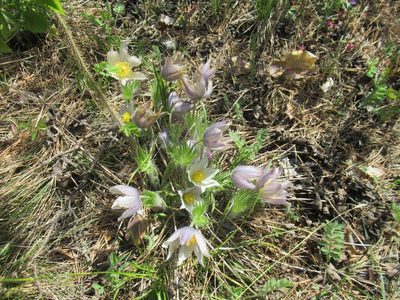
Pasque Flower
Pulsatilla patens
- Full sun
- Dry
- 6–12 in
- Blooms Mar–Apr

Saskatoon Serviceberry
Amelanchier alnifolia
- Full–part sun
- Dry–average
- 6–15 ft
- Blooms Apr–May
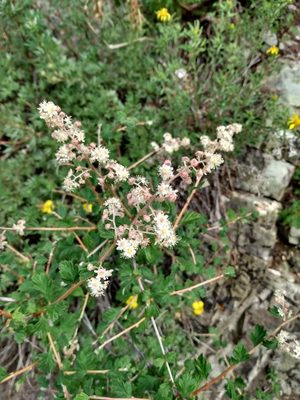
Oceanspray
Holodiscus discolor
- Sun to shade
- Dry–average
- 6–12 ft
- Blooms Jun–Jul
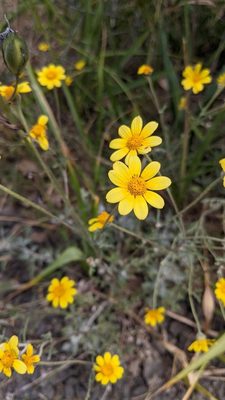
Oregon Sunshine
Eriophyllum lanatum
- Full sun
- Dry
- 0.7–2 ft
- Blooms May–Jul
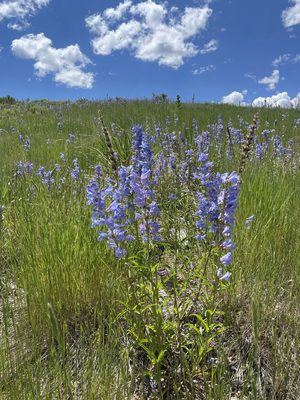
Rocky Mountain Penstemon
Penstemon strictus
- Full sun
- Dry
- 1.5–2.5 ft
- Blooms May–Jul

Wild Bergamot
Monarda fistulosa
- Full–part sun
- Dry–average
- 2–4 ft
- Blooms Jun–Aug

Common Yarrow
Achillea millefolium
- Full sun
- Dry–average
- 1.5–3 ft
- Blooms May–Aug
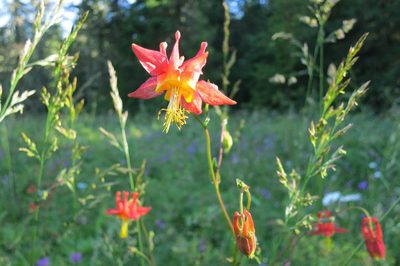
Western Columbine
Aquilegia formosa
- Part shade
- Average
- 1.5–3 ft
- Blooms Apr–Jul
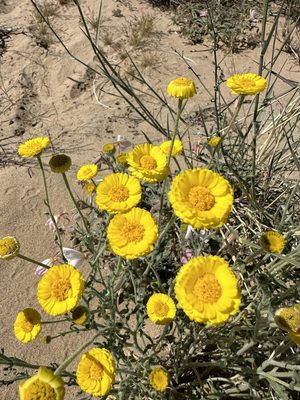
Desert Marigold
Baileya multiradiata
- Full sun
- Dry
- 12–18 in
- Blooms Mar–Oct
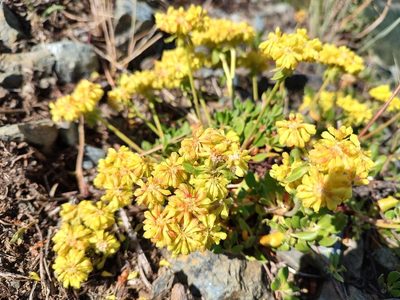
Sulphur-Flower Buckwheat
Eriogonum umbellatum
- Full sun
- Dry
- 6–18 in
- Blooms Jun–Aug
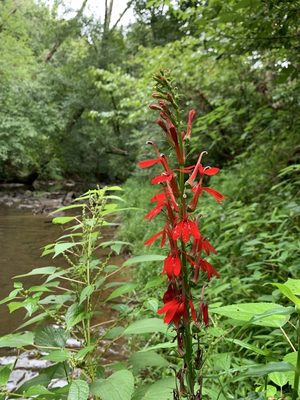
Cardinal Flower
Lobelia cardinalis
- Full–part sun
- Average–wet
- 2–4 ft
- Blooms Jul–Sep
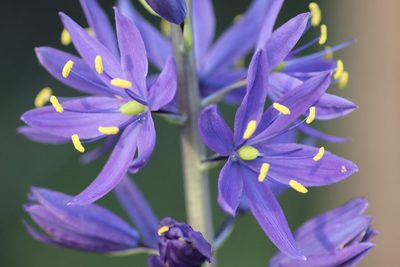
Common Camas
Camassia quamash
- Full–part sun
- Average–wet
- 1–2.5 ft
- Blooms Apr–May

Prairie Smoke
Geum triflorum
- Full–part sun
- Dry
- 6–16 in
- Blooms Apr–May
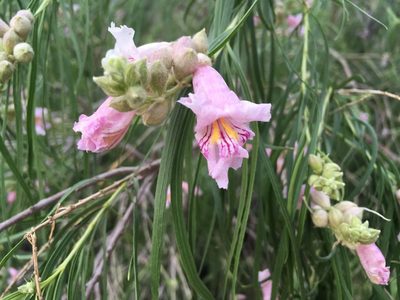
Desert Willow
Chilopsis linearis
- Full sun
- Dry
- 15–25 ft
- Blooms May–Sep
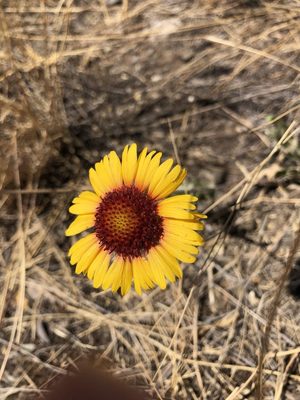
Blanketflower
Gaillardia aristata
- Full sun
- Dry
- 1–2.5 ft
- Blooms Jun–Sep
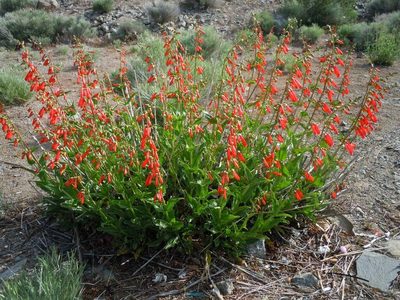
Firecracker Penstemon
Penstemon eatonii
- Full sun
- Dry
- 1.5–3 ft
- Blooms Mar–May
All 38 natives for Utah.
Filter by what you want the planting to do. Every one of these is native to your region and hardy in zones 4–8.
| Plant | Light | Moisture | Bloom | Feeds |
|---|---|---|---|---|
| Pasque FlowerPulsatilla patens | Full sun | Dry | Blooms Mar–Apr | |
| Saskatoon ServiceberryAmelanchier alnifolia | Full–part sun | Dry–average | Blooms Apr–May | |
| Blue ElderberrySambucus cerulea | Full–part sun | Average–wet | Blooms Jun–Jul | |
| OceansprayHolodiscus discolor | Sun to shade | Dry–average | Blooms Jun–Jul | |
| Oregon SunshineEriophyllum lanatum | Full sun | Dry | Blooms May–Jul | |
| Rocky Mountain PenstemonPenstemon strictus | Full sun | Dry | Blooms May–Jul | |
| Wild BergamotMonarda fistulosa | Full–part sun | Dry–average | Blooms Jun–Aug | |
| Common YarrowAchillea millefolium | Full sun | Dry–average | Blooms May–Aug | |
| Western ColumbineAquilegia formosa | Part shade | Average | Blooms Apr–Jul | |
| Desert MarigoldBaileya multiradiata | Full sun | Dry | Blooms Mar–Oct | |
| Sulphur-Flower BuckwheatEriogonum umbellatum | Full sun | Dry | Blooms Jun–Aug | |
| Cardinal FlowerLobelia cardinalis | Full–part sun | Average–wet | Blooms Jul–Sep | |
| Anise HyssopAgastache foeniculum | Full–part sun | Dry–average | Blooms Jun–Sep | |
| Flame AcanthusAnisacanthus quadrifidus var. wrightii | Full sun | Dry | Blooms Jun–Oct | |
| Common CamasCamassia quamash | Full–part sun | Average–wet | Blooms Apr–May | |
| Prairie SmokeGeum triflorum | Full–part sun | Dry | Blooms Apr–May | |
| Desert WillowChilopsis linearis | Full sun | Dry | Blooms May–Sep | |
| BlanketflowerGaillardia aristata | Full sun | Dry | Blooms Jun–Sep | |
| Lewis's Mock OrangePhiladelphus lewisii | Full–part sun | Dry–average | Blooms May–Jun | |
| Firecracker PenstemonPenstemon eatonii | Full sun | Dry | Blooms Mar–May | |
| Gregg's MistflowerConoclinium greggii | Full–part sun | Dry–average | Blooms May–Oct | |
| Apache PlumeFallugia paradoxa | Full sun | Dry | Blooms Apr–Sep | |
| Chocolate FlowerBerlandiera lyrata | Full sun | Dry | Blooms May–Sep | |
| Autumn SageSalvia greggii | Full–part sun | Dry | Blooms Apr–Oct | |
| Antelope BitterbrushPurshia tridentata | Full sun | Dry | Blooms Apr–Jun | |
| Fragrant SumacRhus aromatica | Full–part sun | Dry | Blooms Mar–Apr | |
| Nootka RoseRosa nutkana | Full–part sun | Average–wet | Blooms May–Jun | |
| Blue GramaBouteloua gracilis | Full sun | Dry | Blooms Jun–Aug | |
| Golden CurrantRibes aureum | Full–part sun | Dry–average | Blooms Apr–May | |
| Sideoats GramaBouteloua curtipendula | Full sun | Dry | Blooms Jun–Jul | |
| Purple Prairie CloverDalea purpurea | Full sun | Dry | Blooms Jun–Jul | |
| BearberryArctostaphylos uva-ursi | Full–part sun | Dry | Blooms Apr–May | |
| Common SnowberrySymphoricarpos albus | Sun to shade | Dry–average | Blooms Jun–Jul | |
| Red-Twig DogwoodCornus sericea | Full–part sun | Average–wet | Blooms May–Jun | |
| Showy MilkweedAsclepias speciosa | Full sun | Dry–average | Blooms Jun–Jul | |
| Oregon GrapeBerberis aquifolium | Sun to shade | Dry–average | Blooms Mar–Apr | |
| Little BluestemSchizachyrium scoparium | Full sun | Dry–average | Fall color | |
| Idaho FescueFestuca idahoensis | Full–part sun | Dry | Evergreen |
No plants in this state match that goal.
What is blooming in Utah in October.
4 of the 38 species native to Utah flower in October. Every one of them wants full sun. It is a gold, orange, blue month here.
Desert Marigold
Baileya multiradiata
- Full sun
- Dry
- 12–18 in
- Blooms Mar–Oct
Flame Acanthus
Anisacanthus quadrifidus var. wrightii
- Full sun
- Dry
- 2–4 ft
- Blooms Jun–Oct
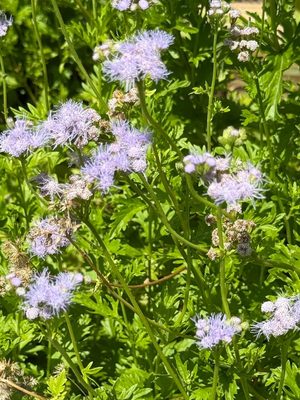
Gregg's Mistflower
Conoclinium greggii
- Full–part sun
- Dry–average
- 1–2 ft
- Blooms May–Oct
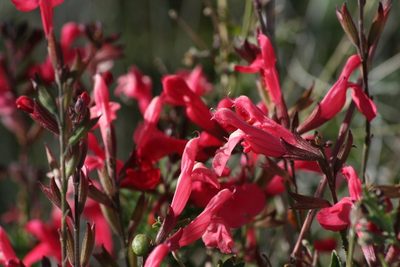
Autumn Sage
Salvia greggii
- Full–part sun
- Dry
- 2–3 ft
- Blooms Apr–Oct
The jobs a native planting asks for in October, by hardiness band: what to do in the garden this month.
The same goals, across every state.
The filters above narrow this page. These open the subject properly, nationwide.
Pollinators
34 native species in Utah
For bees
32 native species in Utah
Butterflies
24 native species in Utah
Hummingbirds
13 native species in Utah
For birds
17 native species in Utah
Deer-resistant
32 native species in Utah
Full sun
37 native species in Utah
Drought-tolerant
33 native species in Utah
Clay soil
13 native species in Utah
Rain garden
5 native species in Utah
Groundcovers
6 native species in Utah
Flowering shrubs
15 native species in Utah
Low-maintenance
18 native species in Utah
Evergreen
7 native species in Utah
Fragrant
8 native species in Utah
Gardening in Utahwhat grows where, and why
Utah is one of the few places where the Great Basin, the Colorado Plateau, and the Rocky Mountains all come together. The western third is Great Basin: valleys of sagebrush and salt desert separated by narrow ranges, with no drainage to the sea. The southeast is Colorado Plateau, red rock canyon country with pinyon-juniper woodland. The Wasatch and Uinta ranges run through the middle and north, high and forested.
Each supports a different flora, and the state's plant diversity is high as a result.
The lake that was here
Most of Utah's population lives along the Wasatch Front, on ground that was underwater. Lake Bonneville filled the basin during the ice age and left benches cut into the mountainsides at its old shorelines, along with lakebed sediments below. The Great Salt Lake is what remains of it.
Those benches drain sharply and are gravelly. The valley floors below hold finer, often alkaline and sometimes saline soils. A garden on the bench and one in the valley behave differently despite being a few miles apart.
Desert, but with winter
Utah is arid, and much of it receives very little precipitation. The distinction that matters is that this is cold desert rather than hot desert: winters bring real freezing, and precipitation arrives largely as winter snow rather than summer rain.
That pattern favors plants that grow in spring using stored winter moisture and go quiet in the heat of late summer. Sagebrush, rabbitbrush, penstemons, globemallow, Indian ricegrass, and the buckwheats all follow it.
Watering such plants through August to keep them green works against their biology and shortens their lives.
Alkaline and saline soils
Soils across much of the state are alkaline, and salt accumulates in basins where water evaporates rather than draining. Acid-loving plants fail here regardless of how well they are tended.
The native salt-desert species handle conditions that few garden plants tolerate, and they are the correct choice for those sites rather than a fallback.
Timing and elevation
Plant in fall in the lower valleys, taking advantage of winter moisture to establish roots. At elevation, spring is safer.
Water new plantings through their first season, then taper off deliberately.
Confirming what is native to your county
The Utah Native Plant Society maintains guidance and runs chapters, and Red Butte Garden in Salt Lake City focuses on plants suited to this region. Utah State University Extension publishes water-wise landscaping guidance developed specifically for the state's conditions.
Sources: Utah State University Extension (water-wise landscaping and regional plant guidance); Utah Division of Wildlife Resources (natural communities and species distribution); USDA PLANTS Database (native status by state).
Where to buy Utah natives
Some links here are affiliate links and we may earn a small commission at no extra cost to you.
What a first-year Utah planting needs, from a pH kit to mulch.
Put these plants in one real bed.
Draw a bed to scale, answer ten questions you can see from a window, and get a real answer for Utah: whether the space works, roughly what the plants would cost, and which natives suit your light and drainage. Free, and nothing to sign up for.