- Home
- Collections
- For birds
Native Plants for Birds
Seed, berry, and cover plants that feed songbirds year-round, plus the caterpillars that nesting birds actually raise their chicks on.
The number that reframes the whole subject
A pair of chickadees raising one brood needs somewhere between six and nine thousand caterpillars to get the chicks to fledging. That figure comes from research by Doug Tallamy and colleagues at the University of Delaware, and it is the single most useful fact in bird gardening.
Almost no songbird raises its young on seed. Even species that eat seed as adults feed insects to nestlings, because growing birds need protein and fat that seed does not supply. Caterpillars are the preferred food: soft, boneless, and easy to carry.
That means a yard's value to breeding birds depends on how many caterpillars it produces, which depends almost entirely on its plants.
Native plants produce insects; introduced ones mostly do not
Insects specialize on the plants they evolved alongside. A native oak supports hundreds of caterpillar species. A ginkgo, a Norway maple, or a butterfly bush supports a small handful or none.
A yard planted with introduced ornamentals can look green and full and be, from a bird's point of view, close to empty. This is why bird gardening and native plant gardening turn out to be the same subject.
The heavy lifters are woody: oaks, willows, cherries, birches, and among the plants on this site, serviceberry, flowering dogwood, arrowwood viburnum, and spicebush. Native grasses and perennials contribute too.
Then feed the adults, across the year
Different foods matter at different times, and the fat content is what decides.
Fall migration needs high-fat fruit. Flowering dogwood, spicebush, Virginia creeper, arrowwood viburnum, and elderberry all produce it, and birds fueling for long flights seek it out specifically.
Winter needs the opposite: low-fat fruit that persists on the branch after everything else is gone. Winterberry, inkberry, bearberry, and fragrant sumac hold their fruit into January and February and act as a reserve.
Seed carries birds through fall and winter. Coneflower, blazing star, sunflower, cup plant, and the native grasses all supply it, and goldfinches in particular time their late nesting to seed availability.
Structure and the things not to do
Birds need cover as much as food: dense shrubs to escape into, thickets to nest in, and standing grasses for ground species. A yard of specimen plants in mulch has food and no shelter.
Three practices undo the rest. Leaving cats outdoors, which kill birds in the billions annually in the United States. Spraying insecticides, which removes the caterpillars the birds came for. And cutting the garden down in fall, which removes the seed, the shelter, and the overwintering insects in one pass.
Leave the stems standing until spring.
Sources: Doug Tallamy and University of Delaware research on native plants, caterpillar production, and chickadee nestling requirements; Cornell Lab of Ornithology (nestling diets, fruit fat content, and migration fueling); American Bird Conservancy and Smithsonian Migratory Bird Center (outdoor cat predation estimates).
48 native species in this collection.
Feeders are a snack; native plants are the real grocery store. Berries and seed heads carry birds through fall and winter, while the caterpillars these natives host are what nearly all songbirds feed their young in spring. Leave the seed heads standing, hold off on fall cleanup, and let a layer of leaves and shrubs give birds the cover they need.
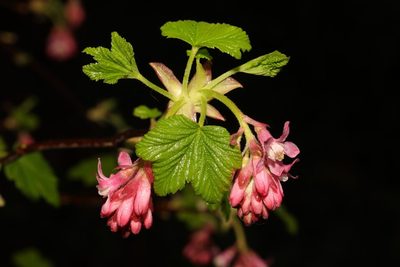
Red-Flowering Currant
Ribes sanguineum
Cascades of rose-pink tassels timed exactly to the return of the rufous hummingbird each spring.
- Full–part sun
- Dry–average
- 5–9 ft
- Blooms Mar–Apr
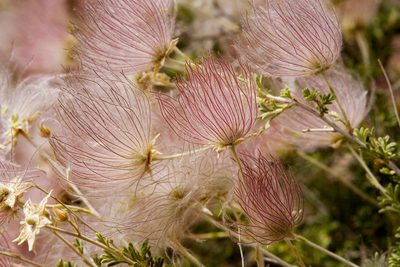
Apache Plume
Fallugia paradoxa
White rose-like flowers and feathery pink seed plumes together on one airy desert shrub.
- Full sun
- Dry
- 3–6 ft
- Blooms Apr–Sep
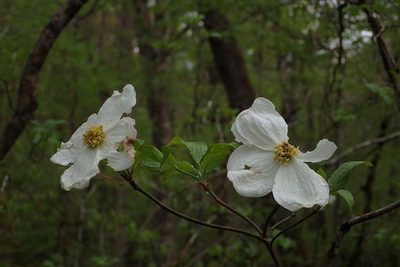
Flowering Dogwood
Cornus florida
The classic understory tree of the eastern woods, with white spring bracts and crimson fall leaves.
- Part shade
- Average
- 15–25 ft
- Blooms Apr–May

Saskatoon Serviceberry
Amelanchier alnifolia
White flowers before the leaves, then fruit that tastes like a sweet blueberry, then orange fall color.
- Full–part sun
- Dry–average
- 6–15 ft
- Blooms Apr–May
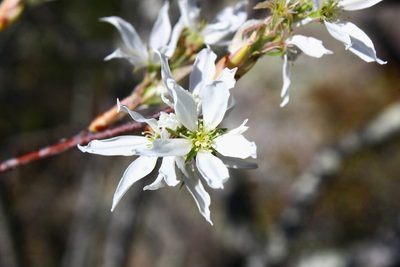
Serviceberry
Amelanchier canadensis
A small four-season tree: white spring flowers, June berries for the birds, and fiery fall color.
- Full–part sun
- Average–wet
- 15–25 ft
- Blooms Apr–May
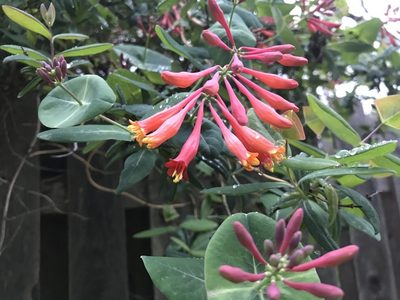
Trumpet Honeysuckle
Lonicera sempervirens
A well-mannered native vine that pours out coral-red hummingbird trumpets from spring to frost.
- Full–part sun
- Dry–average
- 8–15 ft
- Blooms Apr–Sep

Arrowwood Viburnum
Viburnum dentatum
A bulletproof hedge shrub with white spring flowers, blue fall berries, and burgundy autumn leaves.
- Sun to shade
- Average–wet
- 6–10 ft
- Blooms May–Jun
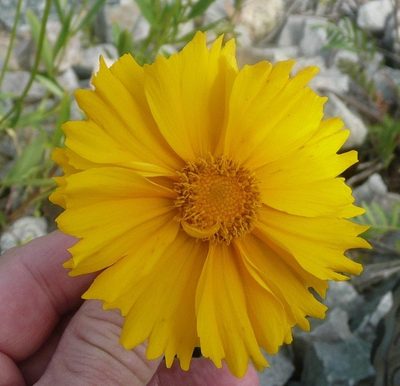
Lanceleaf Coreopsis
Coreopsis lanceolata
Sunny gold daisies for weeks in early summer on the leanest, driest soil you can offer.
- Full sun
- Dry–average
- 1.5–2 ft
- Blooms May–Jul
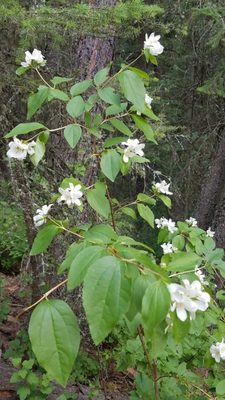
Lewis's Mock Orange
Philadelphus lewisii
Two weeks in early summer when the whole shrub smells of orange blossom, and the rest of the year asking for nothing.
- Full–part sun
- Dry–average
- 5–10 ft
- Blooms May–Jun
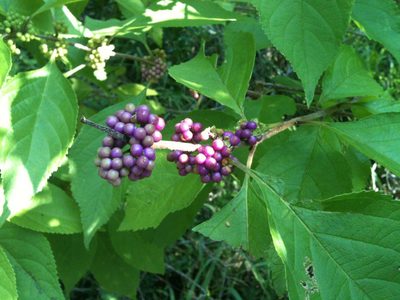
American Beautyberry
Callicarpa americana
Unreal clusters of metallic-purple berries hug the stems in fall and feed dozens of bird species.
- Full–part sun
- Dry–average
- 4–7 ft
- Blooms Jun–Jul
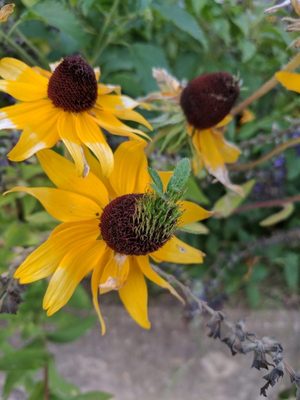
Black-Eyed Susan
Rudbeckia hirta
A cheerful, unkillable starter native that blooms its first year and seeds itself politely around.
- Full–part sun
- Dry–average
- 1.5–3 ft
- Blooms Jun–Sep

Blue Elderberry
Sambucus cerulea
Fast, big, and covered in flat cream flower heads, then dusty blue fruit that draws every fruit-eating bird in the county.
- Full–part sun
- Average–wet
- 8–20 ft
- Blooms Jun–Jul

Buttonbush
Cephalanthus occidentalis
Spherical white 'pincushion' flowers over standing water, swarmed by butterflies and bees.
- Full–part sun
- Average–wet
- 5–10 ft
- Blooms Jun–Aug
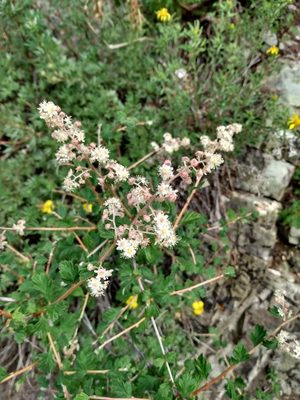
Oceanspray
Holodiscus discolor
Foaming cream plumes in midsummer that dry to tan and stand all winter, on a shrub that takes sun or shade and no water.
- Sun to shade
- Dry–average
- 6–12 ft
- Blooms Jun–Jul
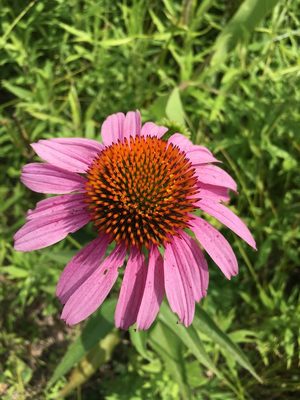
Purple Coneflower
Echinacea purpurea
The garden workhorse: months of nectar for bees and butterflies, then seed heads goldfinches strip all winter.
- Full–part sun
- Dry–average
- 2–4 ft
- Blooms Jun–Sep
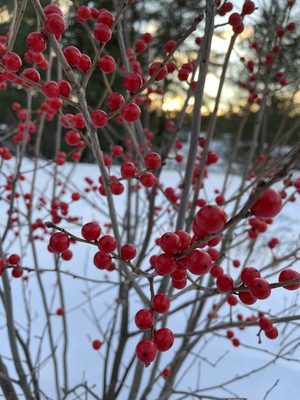
Winterberry
Ilex verticillata
A deciduous holly that drops its leaves to reveal branches packed with brilliant red winter berries.
- Full–part sun
- Average–wet
- 5–10 ft
- Blooms Jun–Jul
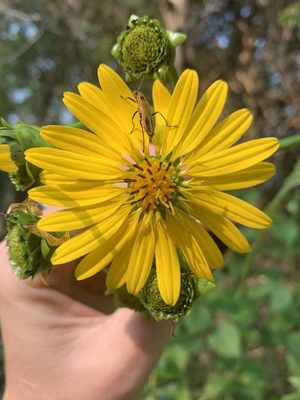
Cup Plant
Silphium perfoliatum
A prairie giant whose paired leaves hold rainwater for birds; goldfinches mob the seeds.
- Full–part sun
- Average–wet
- 5–8 ft
- Blooms Jul–Sep
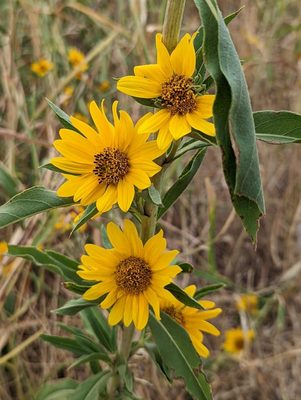
Maximilian Sunflower
Helianthus maximiliani
A towering fall sunflower whose stems are studded top to bottom with gold, then thick with seed for birds.
- Full sun
- Dry–average
- 5–8 ft
- Blooms Aug–Oct
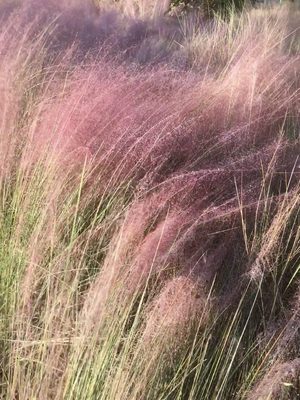
Pink Muhly Grass
Muhlenbergia capillaris
An autumn cloud of luminous pink that stops traffic when it blooms en masse.
- Full sun
- Dry–average
- 2–3 ft
- Blooms Sep–Oct
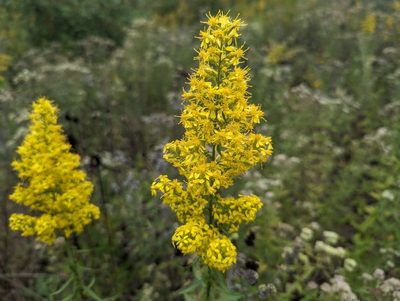
Showy Goldenrod
Solidago speciosa
Upright golden candles that anchor the fall garden, and no, goldenrod doesn't cause hay fever.
- Full–part sun
- Dry–average
- 2–4 ft
- Blooms Sep–Oct
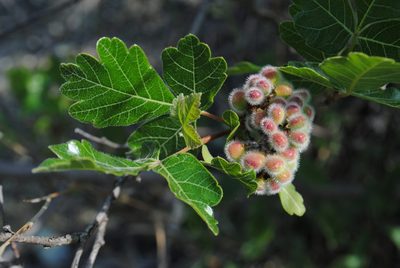
Fragrant Sumac
Rhus aromatica
A low, spreading shrub that blankets dry banks and blazes scarlet and orange in fall.
- Full–part sun
- Dry
- 2–6 ft
- Blooms Mar–Apr
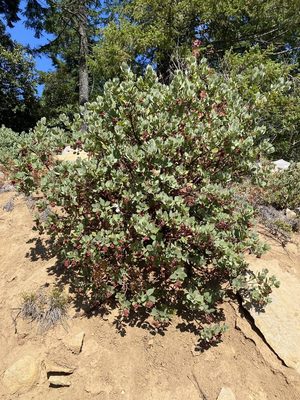
Hairy Manzanita
Arctostaphylos columbiana
Sculptural mahogany bark and early urn-shaped flowers that feed the West Coast's first bees of spring.
- Full–part sun
- Dry
- 3–9 ft
- Blooms Mar–May
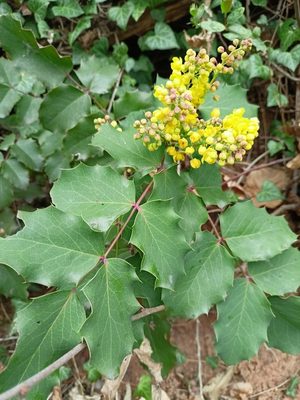
Oregon Grape
Berberis aquifolium
Holly-like evergreen leaves, fragrant yellow spring flowers, and blue berries. It is Oregon's state flower.
- Sun to shade
- Dry–average
- 3–6 ft
- Blooms Mar–Apr
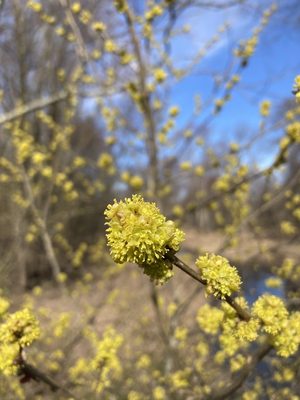
Spicebush
Lindera benzoin
An early-blooming shade shrub, host to the spicebush swallowtail, with butter-yellow fall color.
- Part shade
- Average–wet
- 6–12 ft
- Blooms Mar–Apr
For birds, near you.
Whether a species belongs in your yard depends on where you garden. These state guides cover it.
Where to find for birds plants
Some links here are affiliate links and we may earn a small commission at no extra cost to you.
What a first-year For birds planting needs, from a pH kit to mulch.