Native Plants for North Dakota
North Dakota gardens in the coldest conditions of the lower forty-eight, on ground that runs from the dead-flat clay of an ancient lakebed to badlands cut into the western plains.
Regions: the Great Plains
Ecoregion: Northern mixedgrass prairie & Drift Prairie
51 native species for North Dakota, with the light, moisture and bloom time for each, and what every one of them feeds.
Plants to know in North Dakota.
A cross-section of the 51 species native to your region, the workhorses worth starting with.
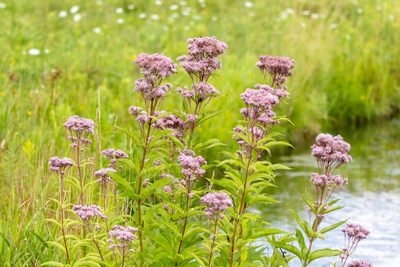
Spotted Joe-Pye Weed
Eutrochium maculatum
- Full–part sun
- Average–wet
- 4–7 ft
- Blooms Jul–Sep
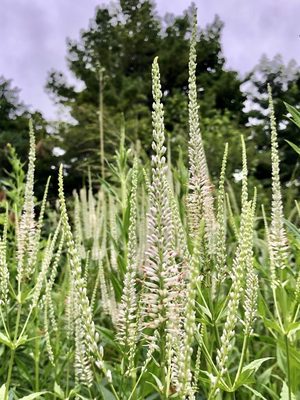
Culver's Root
Veronicastrum virginicum
- Full–part sun
- Average–wet
- 3–5 ft
- Blooms Jun–Aug
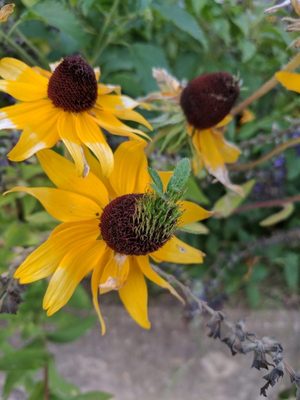
Black-Eyed Susan
Rudbeckia hirta
- Full–part sun
- Dry–average
- 1.5–3 ft
- Blooms Jun–Sep
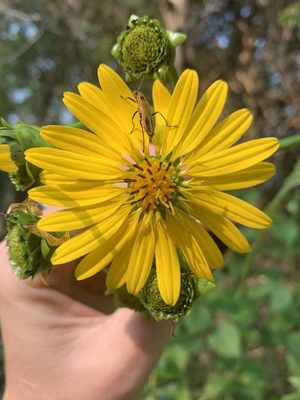
Cup Plant
Silphium perfoliatum
- Full–part sun
- Average–wet
- 5–8 ft
- Blooms Jul–Sep
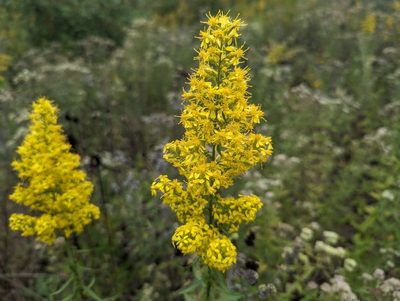
Showy Goldenrod
Solidago speciosa
- Full–part sun
- Dry–average
- 2–4 ft
- Blooms Sep–Oct
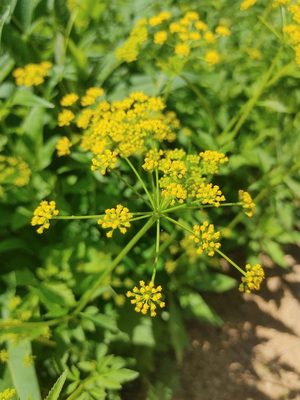
Golden Alexanders
Zizia aurea
- Full–part sun
- Average–wet
- 1.5–2.5 ft
- Blooms Apr–Jun

Saskatoon Serviceberry
Amelanchier alnifolia
- Full–part sun
- Dry–average
- 6–15 ft
- Blooms Apr–May
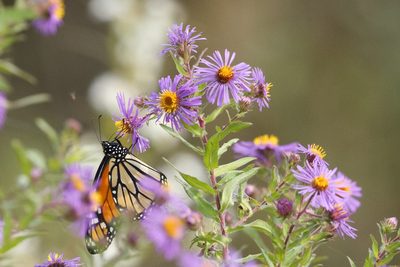
New England Aster
Symphyotrichum novae-angliae
- Full–part sun
- Average–wet
- 3–5 ft
- Blooms Sep–Oct
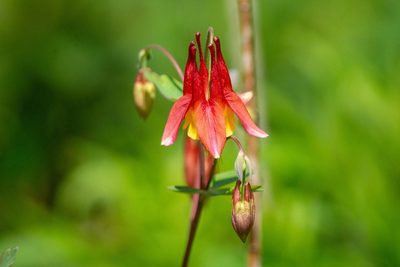
Wild Columbine
Aquilegia canadensis
- Part shade
- Dry–average
- 1–2.5 ft
- Blooms Apr–Jun
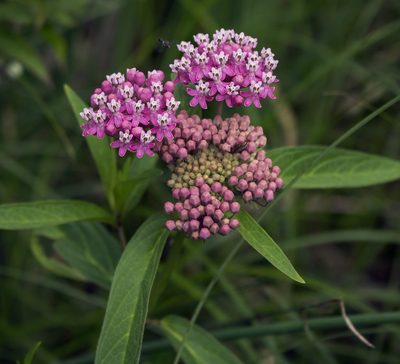
Swamp Milkweed
Asclepias incarnata
- Full–part sun
- Average–wet
- 3–4 ft
- Blooms Jul–Aug
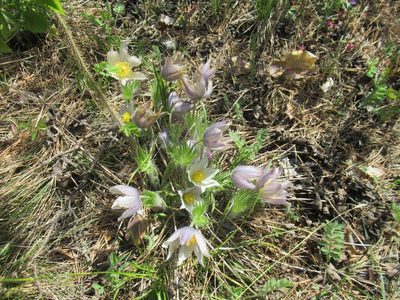
Pasque Flower
Pulsatilla patens
- Full sun
- Dry
- 6–12 in
- Blooms Mar–Apr

Wild Bergamot
Monarda fistulosa
- Full–part sun
- Dry–average
- 2–4 ft
- Blooms Jun–Aug
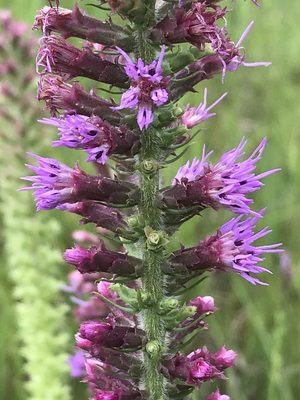
Prairie Blazing Star
Liatris pycnostachya
- Full sun
- Dry–average
- 3–5 ft
- Blooms Jul–Aug
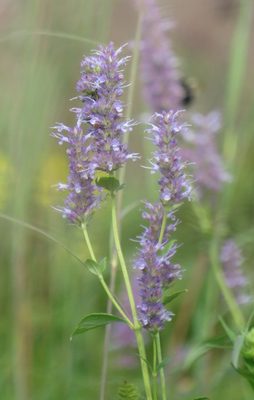
Anise Hyssop
Agastache foeniculum
- Full–part sun
- Dry–average
- 2–4 ft
- Blooms Jun–Sep

Prairie Smoke
Geum triflorum
- Full–part sun
- Dry
- 6–16 in
- Blooms Apr–May
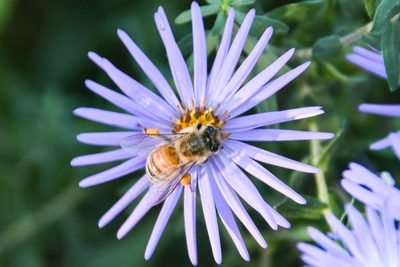
Aromatic Aster
Symphyotrichum oblongifolium
- Full sun
- Dry
- 1.5–2.5 ft
- Blooms Sep–Nov
All 51 natives for North Dakota.
Filter by what you want the planting to do. Every one of these is native to your region and hardy in zones 3–4.
| Plant | Light | Moisture | Bloom | Feeds |
|---|---|---|---|---|
| Spotted Joe-Pye WeedEutrochium maculatum | Full–part sun | Average–wet | Blooms Jul–Sep | |
| Culver's RootVeronicastrum virginicum | Full–part sun | Average–wet | Blooms Jun–Aug | |
| Black-Eyed SusanRudbeckia hirta | Full–part sun | Dry–average | Blooms Jun–Sep | |
| Cup PlantSilphium perfoliatum | Full–part sun | Average–wet | Blooms Jul–Sep | |
| Showy GoldenrodSolidago speciosa | Full–part sun | Dry–average | Blooms Sep–Oct | |
| Golden AlexandersZizia aurea | Full–part sun | Average–wet | Blooms Apr–Jun | |
| Saskatoon ServiceberryAmelanchier alnifolia | Full–part sun | Dry–average | Blooms Apr–May | |
| Dense Blazing StarLiatris spicata | Full sun | Average–wet | Blooms Jul–Aug | |
| ServiceberryAmelanchier canadensis | Full–part sun | Average–wet | Blooms Apr–May | |
| New England AsterSymphyotrichum novae-angliae | Full–part sun | Average–wet | Blooms Sep–Oct | |
| Obedient PlantPhysostegia virginiana | Full–part sun | Average–wet | Blooms Aug–Sep | |
| Wild ColumbineAquilegia canadensis | Part shade | Dry–average | Blooms Apr–Jun | |
| Swamp MilkweedAsclepias incarnata | Full–part sun | Average–wet | Blooms Jul–Aug | |
| Eastern RedbudCercis canadensis | Full–part sun | Dry–average | Blooms Mar–Apr | |
| Pasque FlowerPulsatilla patens | Full sun | Dry | Blooms Mar–Apr | |
| Wild BergamotMonarda fistulosa | Full–part sun | Dry–average | Blooms Jun–Aug | |
| Prairie Blazing StarLiatris pycnostachya | Full sun | Dry–average | Blooms Jul–Aug | |
| Anise HyssopAgastache foeniculum | Full–part sun | Dry–average | Blooms Jun–Sep | |
| Prairie SmokeGeum triflorum | Full–part sun | Dry | Blooms Apr–May | |
| Aromatic AsterSymphyotrichum oblongifolium | Full sun | Dry | Blooms Sep–Nov | |
| BlanketflowerGaillardia aristata | Full sun | Dry | Blooms Jun–Sep | |
| Butterfly WeedAsclepias tuberosa | Full sun | Dry | Blooms Jun–Aug | |
| Chocolate FlowerBerlandiera lyrata | Full sun | Dry | Blooms May–Sep | |
| Lanceleaf CoreopsisCoreopsis lanceolata | Full sun | Dry–average | Blooms May–Jul | |
| Foxglove BeardtonguePenstemon digitalis | Full–part sun | Dry–average | Blooms May–Jun | |
| Great Blue LobeliaLobelia siphilitica | Full–part sun | Average–wet | Blooms Aug–Sep | |
| Purple ConeflowerEchinacea purpurea | Full–part sun | Dry–average | Blooms Jun–Sep | |
| Common YarrowAchillea millefolium | Full sun | Dry–average | Blooms May–Aug | |
| Maximilian SunflowerHelianthus maximiliani | Full sun | Dry–average | Blooms Aug–Oct | |
| Compass PlantSilphium laciniatum | Full sun | Dry–average | Blooms Jul–Aug | |
| Red-Twig DogwoodCornus sericea | Full–part sun | Average–wet | Blooms May–Jun | |
| New Jersey TeaCeanothus americanus | Full–part sun | Dry | Blooms May–Jul | |
| NinebarkPhysocarpus opulifolius | Full–part sun | Dry to wet | Blooms May–Jun | |
| Sideoats GramaBouteloua curtipendula | Full sun | Dry | Blooms Jun–Jul | |
| Common BonesetEupatorium perfoliatum | Full–part sun | Average–wet | Blooms Aug–Sep | |
| Blue GramaBouteloua gracilis | Full sun | Dry | Blooms Jun–Aug | |
| Stiff GoldenrodSolidago rigida | Full sun | Dry–average | Blooms Aug–Oct | |
| Virginia CreeperParthenocissus quinquefolia | Sun to shade | Dry–average | Blooms Jun | |
| Fragrant SumacRhus aromatica | Full–part sun | Dry | Blooms Mar–Apr | |
| Common MilkweedAsclepias syriaca | Full–part sun | Dry–average | Blooms Jun–Jul | |
| Golden CurrantRibes aureum | Full–part sun | Dry–average | Blooms Apr–May | |
| American ElderberrySambucus canadensis | Full–part sun | Average–wet | Blooms Jun–Jul | |
| Purple Prairie CloverDalea purpurea | Full sun | Dry | Blooms Jun–Jul | |
| Showy MilkweedAsclepias speciosa | Full sun | Dry–average | Blooms Jun–Jul | |
| Blue VervainVerbena hastata | Full–part sun | Average–wet | Blooms Jul–Sep | |
| Rattlesnake MasterEryngium yuccifolium | Full sun | Dry–average | Blooms Jun–Aug | |
| Little BluestemSchizachyrium scoparium | Full sun | Dry–average | Fall color | |
| SwitchgrassPanicum virgatum | Full–part sun | Dry to wet | Fall color | |
| Indian GrassSorghastrum nutans | Full sun | Dry–average | Fall color | |
| Prairie DropseedSporobolus heterolepis | Full sun | Dry–average | Fall color | |
| Big BluestemAndropogon gerardii | Full sun | Dry to wet | Fall color |
No plants in this state match that goal.
What is blooming in North Dakota in October.
5 of the 51 species native to North Dakota flower in October. Every one of them wants full sun. It is a gold, purple, blue month here.
Showy Goldenrod
Solidago speciosa
- Full–part sun
- Dry–average
- 2–4 ft
- Blooms Sep–Oct
New England Aster
Symphyotrichum novae-angliae
- Full–part sun
- Average–wet
- 3–5 ft
- Blooms Sep–Oct
Aromatic Aster
Symphyotrichum oblongifolium
- Full sun
- Dry
- 1.5–2.5 ft
- Blooms Sep–Nov
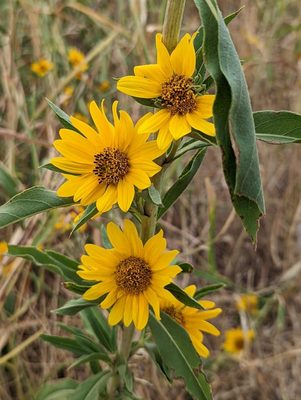
Maximilian Sunflower
Helianthus maximiliani
- Full sun
- Dry–average
- 5–8 ft
- Blooms Aug–Oct
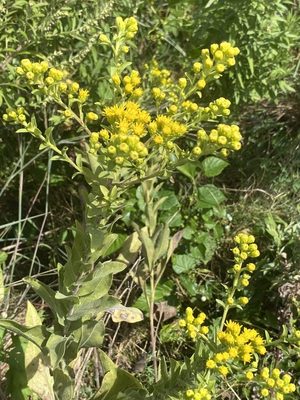
Stiff Goldenrod
Solidago rigida
- Full sun
- Dry–average
- 3–5 ft
- Blooms Aug–Oct
The jobs a native planting asks for in October, by hardiness band: what to do in the garden this month.
The same goals, across every state.
The filters above narrow this page. These open the subject properly, nationwide.
Pollinators
43 native species in North Dakota
For bees
43 native species in North Dakota
Butterflies
45 native species in North Dakota
Hummingbirds
8 native species in North Dakota
For birds
24 native species in North Dakota
Deer-resistant
36 native species in North Dakota
Full sun
50 native species in North Dakota
Drought-tolerant
35 native species in North Dakota
Clay soil
38 native species in North Dakota
Rain garden
17 native species in North Dakota
Groundcovers
6 native species in North Dakota
Flowering shrubs
8 native species in North Dakota
Grasses
7 native species in North Dakota
Low-maintenance
28 native species in North Dakota
Fall color
12 native species in North Dakota
Fragrant
10 native species in North Dakota
Gardening in North Dakotawhat grows where, and why
The Red River Valley along the eastern border is not a valley at all. It is the floor of Lake Agassiz, an enormous glacial lake that drained thousands of years ago, leaving ground so flat and so heavy with clay that water moves across it rather than through it. Soils there are deep, black, and famously fertile.
West of that, the Drift Prairie and the Missouri Coteau carry the prairie pothole country: rolling glacial terrain pocked with thousands of shallow wetlands. These potholes are the continent's most important waterfowl breeding habitat, and for a gardener they signal that low spots stay wet and want wetland species.
Farther west, past the Missouri River, the land was never glaciated. The Little Missouri has cut badlands into it, dry and eroded, with a flora that includes Rocky Mountain juniper and species belonging to the drier West.
Cold is the first constraint
Winter here is severe, and hardiness ratings are not academic. Much of the state sits in zones three and four, and marginal species do not survive many years.
Snow cover matters enormously. Where it is deep and reliable, plants overwinter under insulation and come through cold that would kill them exposed. Wind, on the other hand, scours snow from open ground, so a windswept site is functionally colder than a sheltered one. Plant shelter first if you have none.
Leave stems standing through winter. They catch snow, hold it over the crowns, and feed birds.
Short season, big response
The growing season is short and intense. Prairie species compress their year accordingly, and midsummer through early fall carries most of the bloom.
Plant in spring or very early fall. A late planting will not root enough before freeze and will heave out of the ground over winter.
Water through the first season only. Established native prairie plants here handle both the cold and the dry summers without help, which is the entire reason to plant them.
Alkaline soils
Many soils across the state are alkaline, and some are genuinely saline, particularly around wetland margins where evaporation concentrates salts. Species differ sharply in tolerance, and the native plants of those margins, including prairie cordgrass and the alkali-tolerant grasses, handle conditions that kill ordinary plantings.
Confirming what is native to your county
The North Dakota Game and Fish Department documents natural communities, and North Dakota State University Extension publishes guidance calibrated to the state's severe conditions, including tested lists of woody plants that actually survive here.
Sources: North Dakota Game and Fish Department (state wildlife action plan and natural communities); North Dakota State University Extension (hardy plant guidance); USDA PLANTS Database (native status by state).
Where to buy North Dakota natives
Some links here are affiliate links and we may earn a small commission at no extra cost to you.
What a first-year North Dakota planting needs, from a pH kit to mulch.
Put these plants in one real bed.
Draw a bed to scale, answer ten questions you can see from a window, and get a real answer for North Dakota: whether the space works, roughly what the plants would cost, and which natives suit your light and drainage. Free, and nothing to sign up for.
The $7 North Dakota Native Planting Workbook takes the whole state with you: the year month by month, every profiled species, and what North Dakota has listed. About the workbook.