- Home
- Plant guide
- Aromatic Aster
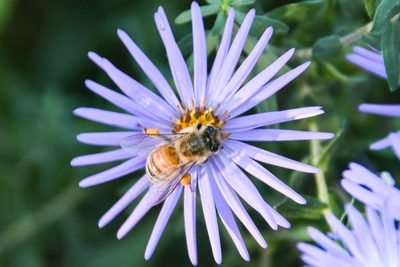
Jay Pruett (CC BY)
Aromatic Aster
Symphyotrichum oblongifolium
A drought-proof, mounding aster that closes the pollinator season with sheets of blue.
Native to: the Midwest · the Great Plains · the South-Central region · the Mid-Atlantic · the Southeast
Growing Aromatic Aster
Tougher and tidier than New England aster, blooming even later and asking for nothing but sun and good drainage.
Where it belongs
Aromatic aster is native through the Midwest, the Plains, Texas, and parts of the Mid-Atlantic and Southeast, growing on dry prairies, limestone glades, bluffs, and rocky banks. It is a plant of thin soil and full exposure.
Most gardeners meet asters through New England aster, which is tall, wants moisture, and tends to fall open by September unless it is cut back. Aromatic aster solves that. It makes a dense mound eighteen to thirty inches high and wider than it is tall, and it holds that shape without help.
Growing it
Full sun and dry soil, in loam, clay, rocky ground, or sand, zones 3 to 8. Drainage matters more than fertility. Rich, damp, shaded ground makes it leggy and short-lived.
It blooms later than nearly anything else here, opening in September and often carrying into November where frost holds off. In a mild fall it is the last thing flowering in the garden.
Two optional tricks. Pinching the stems back by half in early June makes an even tighter mound, though it is not necessary the way it is with New England aster. And it takes hard sites well: a hot slope, a parking strip, the gravel edge of a drive.
What it feeds
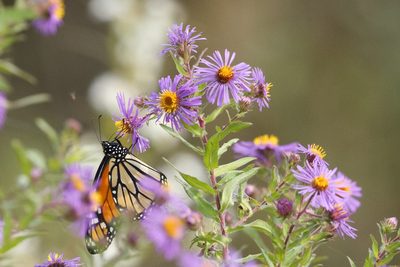
Late nectar has a value out of proportion to its quantity, because by October there is almost nothing else open. Migrating monarchs passing through the middle of the country feed on it, as do painted ladies, sulphurs, and the last bumblebee queens fattening before they go underground for the winter.
Watch it on a warm October afternoon and the whole mound moves.
Living with it
Deer avoid it, and the aromatic foliage is the reason: crush a leaf and it smells sharply herbal, closer to balsam than to anything floral.
The one real requirement is patience about timing. It looks like an unremarkable green cushion from May through August, and gardeners who want constant color sometimes pull it before it does its job. Plant it behind something that flowers in summer and let it take over the bed in fall.
Leave the stems standing. The seed feeds small birds, and the dead stems shelter overwintering insects. Cut back in spring.
Sources: USDA PLANTS Database (native range); Lady Bird Johnson Wildflower Center, University of Texas at Austin (species profile); Xerces Society (late season nectar and pollinator overwintering guidance).
It’s deer-resistant, drought-tolerant, showy, and easy to grow.Where it grows
Aromatic Aster is native to the Midwest. In the wild you’ll find it across Alabama · Arkansas · Colorado · Delaware · Florida · Georgia · Illinois · Indiana · Iowa · Kansas and 26 more states. Always confirm it suits your specific county with your state native plant society before planting.
Regional Garden has written state guides covering Aromatic Aster in 36 of them so far.
Good for
Where to buy Aromatic Aster
Some links here are affiliate links and we may earn a small commission at no extra cost to you.
What a first-year Aromatic Aster planting needs, from a pH kit to mulch.
Companions & kin.
Natives that share Aromatic Aster’s range and conditions.
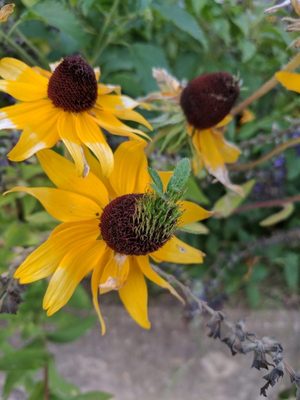
Black-Eyed Susan
Rudbeckia hirta
A cheerful, unkillable starter native that blooms its first year and seeds itself politely around.
- Full–part sun
- Dry–average
- 1.5–3 ft
- Blooms Jun–Sep
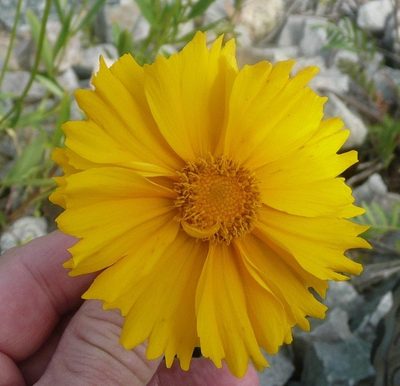
Lanceleaf Coreopsis
Coreopsis lanceolata
Sunny gold daisies for weeks in early summer on the leanest, driest soil you can offer.
- Full sun
- Dry–average
- 1.5–2 ft
- Blooms May–Jul
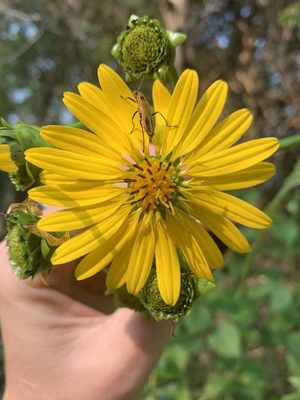
Cup Plant
Silphium perfoliatum
A prairie giant whose paired leaves hold rainwater for birds; goldfinches mob the seeds.
- Full–part sun
- Average–wet
- 5–8 ft
- Blooms Jul–Sep
New England Aster
Symphyotrichum novae-angliae
Late-season fuel: clouds of purple daisies feeding migrating monarchs and the last bumblebees of fall.
- Full–part sun
- Average–wet
- 3–5 ft
- Blooms Sep–Oct