Native Plants for Iowa
Two landforms make Iowa gardening unusual: the wind-built Loess Hills in the west and the unglaciated Driftless country in the northeast, and neither behaves like the row-crop plain between them.
Regions: the Midwest · the Great Plains
Ecoregion: Western Corn Belt tallgrass prairie
73 native species for Iowa, with the light, moisture and bloom time for each, and what every one of them feeds.
Plants to know in Iowa.
A cross-section of the 73 species native to your region, the workhorses worth starting with.
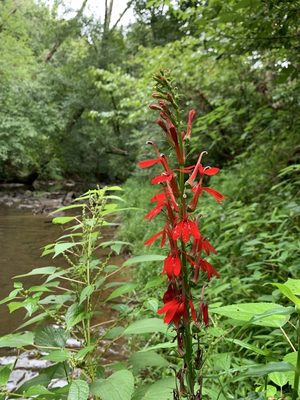
Cardinal Flower
Lobelia cardinalis
- Full–part sun
- Average–wet
- 2–4 ft
- Blooms Jul–Sep
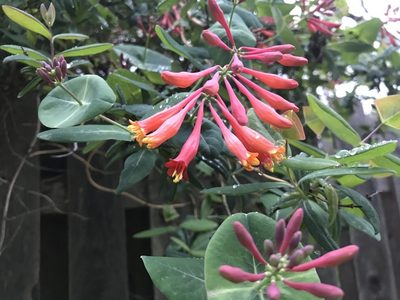
Trumpet Honeysuckle
Lonicera sempervirens
- Full–part sun
- Dry–average
- 8–15 ft
- Blooms Apr–Sep
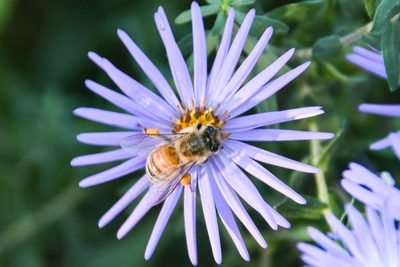
Aromatic Aster
Symphyotrichum oblongifolium
- Full sun
- Dry
- 1.5–2.5 ft
- Blooms Sep–Nov
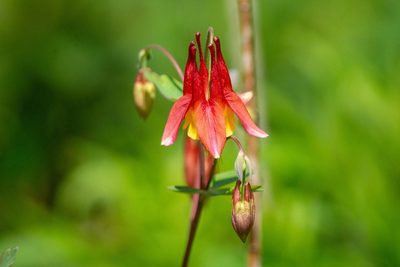
Wild Columbine
Aquilegia canadensis
- Part shade
- Dry–average
- 1–2.5 ft
- Blooms Apr–Jun
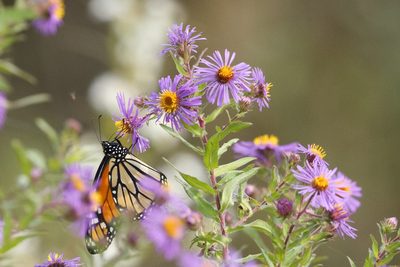
New England Aster
Symphyotrichum novae-angliae
- Full–part sun
- Average–wet
- 3–5 ft
- Blooms Sep–Oct

Buttonbush
Cephalanthus occidentalis
- Full–part sun
- Average–wet
- 5–10 ft
- Blooms Jun–Aug
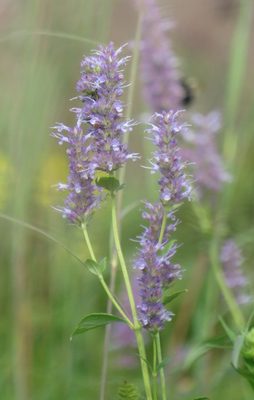
Anise Hyssop
Agastache foeniculum
- Full–part sun
- Dry–average
- 2–4 ft
- Blooms Jun–Sep
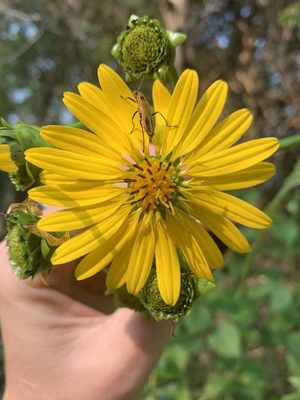
Cup Plant
Silphium perfoliatum
- Full–part sun
- Average–wet
- 5–8 ft
- Blooms Jul–Sep
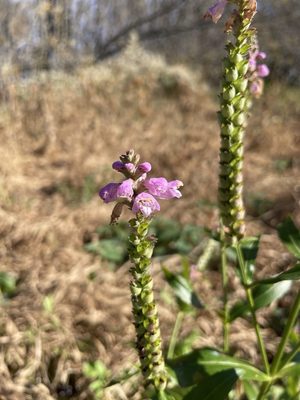
Obedient Plant
Physostegia virginiana
- Full–part sun
- Average–wet
- 2–4 ft
- Blooms Aug–Sep
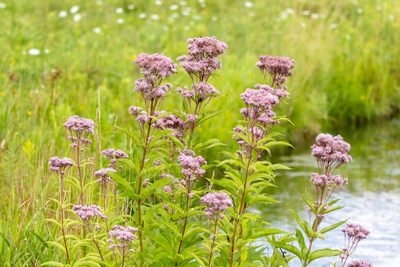
Spotted Joe-Pye Weed
Eutrochium maculatum
- Full–part sun
- Average–wet
- 4–7 ft
- Blooms Jul–Sep
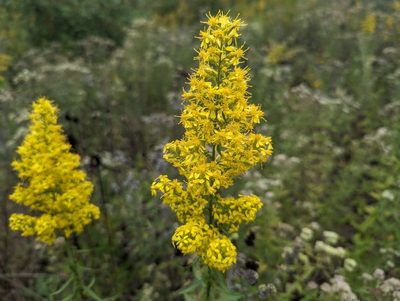
Showy Goldenrod
Solidago speciosa
- Full–part sun
- Dry–average
- 2–4 ft
- Blooms Sep–Oct
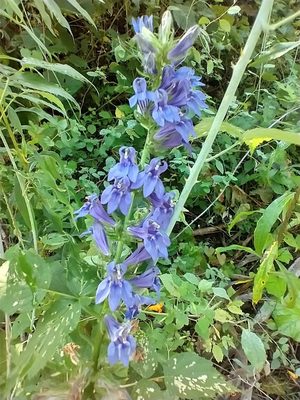
Great Blue Lobelia
Lobelia siphilitica
- Full–part sun
- Average–wet
- 2–3 ft
- Blooms Aug–Sep
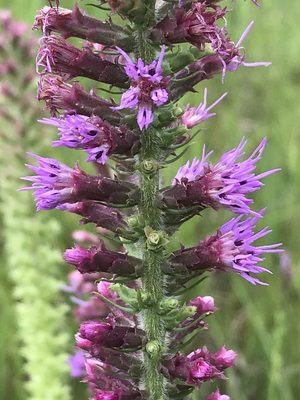
Prairie Blazing Star
Liatris pycnostachya
- Full sun
- Dry–average
- 3–5 ft
- Blooms Jul–Aug
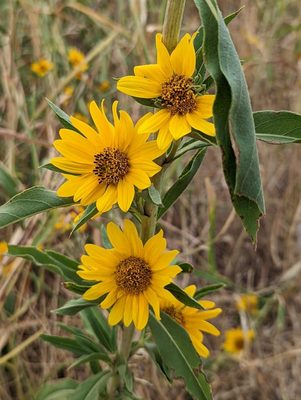
Maximilian Sunflower
Helianthus maximiliani
- Full sun
- Dry–average
- 5–8 ft
- Blooms Aug–Oct
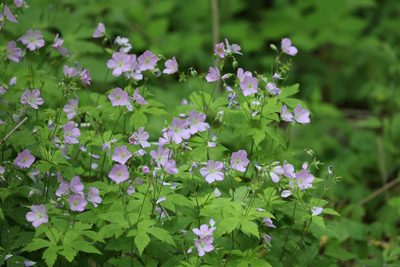
Wild Geranium
Geranium maculatum
- Part shade
- Average
- 1.5–2 ft
- Blooms Apr–Jun
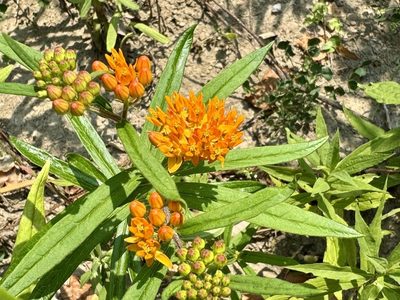
Butterfly Weed
Asclepias tuberosa
- Full sun
- Dry
- 1.5–2.5 ft
- Blooms Jun–Aug
All 73 natives for Iowa.
Filter by what you want the planting to do. Every one of these is native to your region and hardy in zones 4–6.
| Plant | Light | Moisture | Bloom | Feeds |
|---|---|---|---|---|
| Cardinal FlowerLobelia cardinalis | Full–part sun | Average–wet | Blooms Jul–Sep | |
| ServiceberryAmelanchier canadensis | Full–part sun | Average–wet | Blooms Apr–May | |
| Trumpet HoneysuckleLonicera sempervirens | Full–part sun | Dry–average | Blooms Apr–Sep | |
| Aromatic AsterSymphyotrichum oblongifolium | Full sun | Dry | Blooms Sep–Nov | |
| Saskatoon ServiceberryAmelanchier alnifolia | Full–part sun | Dry–average | Blooms Apr–May | |
| Wild ColumbineAquilegia canadensis | Part shade | Dry–average | Blooms Apr–Jun | |
| Short-Toothed Mountain MintPycnanthemum muticum | Full–part sun | Dry–average | Blooms Jul–Sep | |
| New England AsterSymphyotrichum novae-angliae | Full–part sun | Average–wet | Blooms Sep–Oct | |
| ButtonbushCephalanthus occidentalis | Full–part sun | Average–wet | Blooms Jun–Aug | |
| Lanceleaf CoreopsisCoreopsis lanceolata | Full sun | Dry–average | Blooms May–Jul | |
| Anise HyssopAgastache foeniculum | Full–part sun | Dry–average | Blooms Jun–Sep | |
| Cup PlantSilphium perfoliatum | Full–part sun | Average–wet | Blooms Jul–Sep | |
| Obedient PlantPhysostegia virginiana | Full–part sun | Average–wet | Blooms Aug–Sep | |
| Flowering DogwoodCornus florida | Part shade | Average | Blooms Apr–May | |
| Spotted Joe-Pye WeedEutrochium maculatum | Full–part sun | Average–wet | Blooms Jul–Sep | |
| Showy GoldenrodSolidago speciosa | Full–part sun | Dry–average | Blooms Sep–Oct | |
| Purple ConeflowerEchinacea purpurea | Full–part sun | Dry–average | Blooms Jun–Sep | |
| Great Blue LobeliaLobelia siphilitica | Full–part sun | Average–wet | Blooms Aug–Sep | |
| Prairie Blazing StarLiatris pycnostachya | Full sun | Dry–average | Blooms Jul–Aug | |
| Maximilian SunflowerHelianthus maximiliani | Full sun | Dry–average | Blooms Aug–Oct | |
| Wild GeraniumGeranium maculatum | Part shade | Average | Blooms Apr–Jun | |
| Prairie SmokeGeum triflorum | Full–part sun | Dry | Blooms Apr–May | |
| Butterfly WeedAsclepias tuberosa | Full sun | Dry | Blooms Jun–Aug | |
| Virginia BluebellsMertensia virginica | Part shade | Average–wet | Blooms Mar–May | |
| FoamflowerTiarella cordifolia | Part shade | Average | Blooms Apr–May | |
| Common YarrowAchillea millefolium | Full sun | Dry–average | Blooms May–Aug | |
| Culver's RootVeronicastrum virginicum | Full–part sun | Average–wet | Blooms Jun–Aug | |
| Dense Blazing StarLiatris spicata | Full sun | Average–wet | Blooms Jul–Aug | |
| Wild BergamotMonarda fistulosa | Full–part sun | Dry–average | Blooms Jun–Aug | |
| Foxglove BeardtonguePenstemon digitalis | Full–part sun | Dry–average | Blooms May–Jun | |
| Swamp MilkweedAsclepias incarnata | Full–part sun | Average–wet | Blooms Jul–Aug | |
| Golden AlexandersZizia aurea | Full–part sun | Average–wet | Blooms Apr–Jun | |
| Pasque FlowerPulsatilla patens | Full sun | Dry | Blooms Mar–Apr | |
| Smooth HydrangeaHydrangea arborescens | Part shade | Average | Blooms Jun–Aug | |
| WinterberryIlex verticillata | Full–part sun | Average–wet | Blooms Jun–Jul | |
| Arrowwood ViburnumViburnum dentatum | Sun to shade | Average–wet | Blooms May–Jun | |
| Black-Eyed SusanRudbeckia hirta | Full–part sun | Dry–average | Blooms Jun–Sep | |
| BlanketflowerGaillardia aristata | Full sun | Dry | Blooms Jun–Sep | |
| Chocolate FlowerBerlandiera lyrata | Full sun | Dry | Blooms May–Sep | |
| Eastern RedbudCercis canadensis | Full–part sun | Dry–average | Blooms Mar–Apr | |
| Scarlet BeebalmMonarda didyma | Full–part sun | Average–wet | Blooms Jul–Aug | |
| Woodland PhloxPhlox divaricata | Part shade | Average | Blooms Apr–May | |
| Common MilkweedAsclepias syriaca | Full–part sun | Dry–average | Blooms Jun–Jul | |
| Creeping PhloxPhlox subulata | Full–part sun | Dry–average | Blooms Apr–May | |
| Sideoats GramaBouteloua curtipendula | Full sun | Dry | Blooms Jun–Jul | |
| Compass PlantSilphium laciniatum | Full sun | Dry–average | Blooms Jul–Aug | |
| Wild GingerAsarum canadense | Part shade | Average | Blooms Apr–May | |
| Golden CurrantRibes aureum | Full–part sun | Dry–average | Blooms Apr–May | |
| Blue VervainVerbena hastata | Full–part sun | Average–wet | Blooms Jul–Sep | |
| Common BonesetEupatorium perfoliatum | Full–part sun | Average–wet | Blooms Aug–Sep | |
| Wild LupineLupinus perennis | Full–part sun | Dry | Blooms Apr–Jun | |
| New Jersey TeaCeanothus americanus | Full–part sun | Dry | Blooms May–Jul | |
| NinebarkPhysocarpus opulifolius | Full–part sun | Dry to wet | Blooms May–Jun | |
| Common SnowberrySymphoricarpos albus | Sun to shade | Dry–average | Blooms Jun–Jul | |
| American ElderberrySambucus canadensis | Full–part sun | Average–wet | Blooms Jun–Jul | |
| Rattlesnake MasterEryngium yuccifolium | Full sun | Dry–average | Blooms Jun–Aug | |
| Showy MilkweedAsclepias speciosa | Full sun | Dry–average | Blooms Jun–Jul | |
| SpicebushLindera benzoin | Part shade | Average–wet | Blooms Mar–Apr | |
| Red-Twig DogwoodCornus sericea | Full–part sun | Average–wet | Blooms May–Jun | |
| Blue GramaBouteloua gracilis | Full sun | Dry | Blooms Jun–Aug | |
| Fragrant SumacRhus aromatica | Full–part sun | Dry | Blooms Mar–Apr | |
| Purple Prairie CloverDalea purpurea | Full sun | Dry | Blooms Jun–Jul | |
| BearberryArctostaphylos uva-ursi | Full–part sun | Dry | Blooms Apr–May | |
| Stiff GoldenrodSolidago rigida | Full sun | Dry–average | Blooms Aug–Oct | |
| Virginia CreeperParthenocissus quinquefolia | Sun to shade | Dry–average | Blooms Jun | |
| Big BluestemAndropogon gerardii | Full sun | Dry to wet | Fall color | |
| Indian GrassSorghastrum nutans | Full sun | Dry–average | Fall color | |
| Christmas FernPolystichum acrostichoides | Part shade | Dry–average | Evergreen | |
| Prairie DropseedSporobolus heterolepis | Full sun | Dry–average | Fall color | |
| Pennsylvania SedgeCarex pensylvanica | Part shade | Dry–average | Foliage | |
| SwitchgrassPanicum virgatum | Full–part sun | Dry to wet | Fall color | |
| Cinnamon FernOsmundastrum cinnamomeum | Part shade | Average–wet | Foliage | |
| Little BluestemSchizachyrium scoparium | Full sun | Dry–average | Fall color |
No plants in this state match that goal.
What is blooming in Iowa in October.
5 of the 73 species native to Iowa flower in October. Every one of them wants full sun. It is a blue, purple, gold month here.
Aromatic Aster
Symphyotrichum oblongifolium
- Full sun
- Dry
- 1.5–2.5 ft
- Blooms Sep–Nov
New England Aster
Symphyotrichum novae-angliae
- Full–part sun
- Average–wet
- 3–5 ft
- Blooms Sep–Oct
Showy Goldenrod
Solidago speciosa
- Full–part sun
- Dry–average
- 2–4 ft
- Blooms Sep–Oct
Maximilian Sunflower
Helianthus maximiliani
- Full sun
- Dry–average
- 5–8 ft
- Blooms Aug–Oct
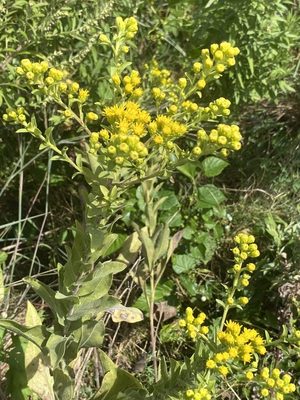
Stiff Goldenrod
Solidago rigida
- Full sun
- Dry–average
- 3–5 ft
- Blooms Aug–Oct
The jobs a native planting asks for in October, by hardiness band: what to do in the garden this month.
The same goals, across every state.
The filters above narrow this page. These open the subject properly, nationwide.
Pollinators
62 native species in Iowa
For bees
59 native species in Iowa
Butterflies
57 native species in Iowa
Hummingbirds
16 native species in Iowa
For birds
34 native species in Iowa
Deer-resistant
49 native species in Iowa
Full sun
61 native species in Iowa
For shade
15 native species in Iowa
Drought-tolerant
41 native species in Iowa
Clay soil
49 native species in Iowa
Rain garden
25 native species in Iowa
Groundcovers
14 native species in Iowa
Flowering shrubs
14 native species in Iowa
Grasses
8 native species in Iowa
Low-maintenance
36 native species in Iowa
Fall color
15 native species in Iowa
Fragrant
14 native species in Iowa
Gardening in Iowawhat grows where, and why
Iowa is the most thoroughly converted state in the country by land area, and the statistic that matters to a gardener is that its original prairie survives on a fraction of one percent of the ground. But the parts that resisted conversion are remarkable, and they define what grows well here.
Along the Missouri River in western Iowa, the Loess Hills rise in steep ridges of wind-deposited silt piled deep enough to stand in bluffs. Formations of that depth are rare worldwide. The soil drains sharply, the west-facing slopes bake, and the plants there are dry-prairie specialists: little bluestem, sideoats grama, leadplant, and prairie coneflower on ground that behaves more like western Nebraska than like central Iowa.
The northeast corner is the Driftless Area, which the last glaciers missed entirely. It is hilly, cut by cold spring-fed streams, and holds relict populations from the ice age on north-facing slopes where cold air drains out of fractured rock all summer.
The middle of the state, and its water
Between those two edges lies the Des Moines Lobe, the youngest glacial surface in Iowa, and the prairie pothole country. That ground is flat, exceptionally fertile, and naturally wet. Nearly all of it has been drained by tile, but yards still reveal the original pattern: a low corner that stays saturated through April is a pothole in miniature.
Plant it accordingly. Wet-prairie and sedge-meadow species belong in those spots and establish without any soil work at all, while a dry-prairie species set into the same place will rot at the crown in its first spring.
Establishing prairie in deep soil
Iowa's soil is deep enough that prairie plants can root as far down as they were built to, which is why an established prairie planting here is close to close to self-sufficient once it takes. Getting to established is the work: prairie species put nearly everything into roots for the first two seasons and can look disappointing above ground while doing it.
Sow or plant in fall so seed gets the cold, damp stratification most prairie species require, keep the site weeded through the first two summers, and judge the planting in year three rather than year one.
Confirming what is native to your county
The Iowa Prairie Network and the state's county conservation boards, an unusually strong county-level system here, both maintain remnant sites open to visitors. Iowa State University Extension publishes regional native plant guidance, and a visit to a nearby remnant during the growing season is the fastest education available.
Sources: Iowa Department of Natural Resources (landform regions and prairie remnants); Iowa State University Extension and Outreach (native plant guidance); USDA PLANTS Database (native status by state).
Where to buy Iowa natives
Some links here are affiliate links and we may earn a small commission at no extra cost to you.
What a first-year Iowa planting needs, from a pH kit to mulch.
Put these plants in one real bed.
Draw a bed to scale, answer ten questions you can see from a window, and get a real answer for Iowa: whether the space works, roughly what the plants would cost, and which natives suit your light and drainage. Free, and nothing to sign up for.
The $7 Iowa Native Planting Workbook takes the whole state with you: the year month by month, every profiled species, and what Iowa has listed. About the workbook.