Native Plants for New Mexico
New Mexico stacks six life zones from Chihuahuan Desert to alpine tundra, and most of the state gardens at an elevation that would count as mountainous elsewhere.
Regions: the desert Southwest · the Great Plains · the Mountain West
Ecoregion: Chihuahuan desert & Southern Rockies
73 native species for New Mexico, with the light, moisture and bloom time for each, and what every one of them feeds.
Plants to know in New Mexico.
A cross-section of the 73 species native to your region, the workhorses worth starting with.
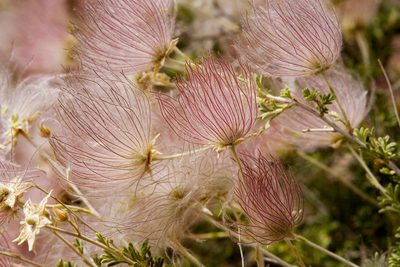
Apache Plume
Fallugia paradoxa
- Full sun
- Dry
- 3–6 ft
- Blooms Apr–Sep
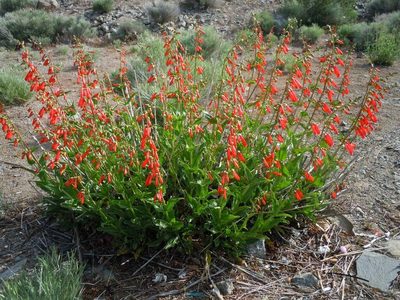
Firecracker Penstemon
Penstemon eatonii
- Full sun
- Dry
- 1.5–3 ft
- Blooms Mar–May
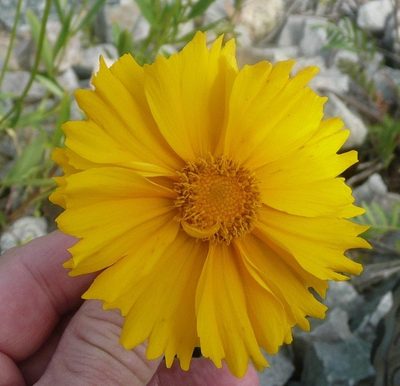
Lanceleaf Coreopsis
Coreopsis lanceolata
- Full sun
- Dry–average
- 1.5–2 ft
- Blooms May–Jul
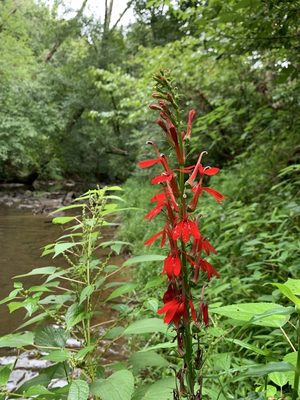
Cardinal Flower
Lobelia cardinalis
- Full–part sun
- Average–wet
- 2–4 ft
- Blooms Jul–Sep
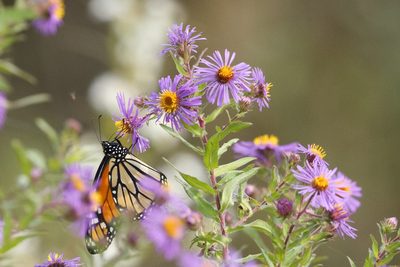
New England Aster
Symphyotrichum novae-angliae
- Full–part sun
- Average–wet
- 3–5 ft
- Blooms Sep–Oct
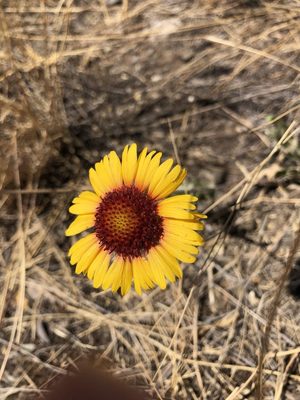
Blanketflower
Gaillardia aristata
- Full sun
- Dry
- 1–2.5 ft
- Blooms Jun–Sep

Wild Bergamot
Monarda fistulosa
- Full–part sun
- Dry–average
- 2–4 ft
- Blooms Jun–Aug

Prairie Smoke
Geum triflorum
- Full–part sun
- Dry
- 6–16 in
- Blooms Apr–May

Saskatoon Serviceberry
Amelanchier alnifolia
- Full–part sun
- Dry–average
- 6–15 ft
- Blooms Apr–May
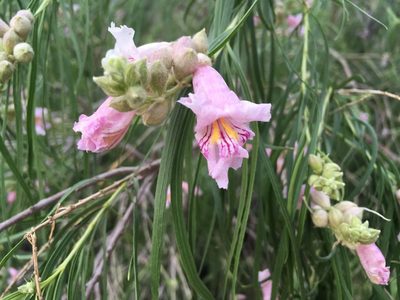
Desert Willow
Chilopsis linearis
- Full sun
- Dry
- 15–25 ft
- Blooms May–Sep
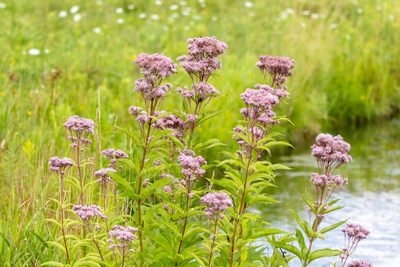
Spotted Joe-Pye Weed
Eutrochium maculatum
- Full–part sun
- Average–wet
- 4–7 ft
- Blooms Jul–Sep
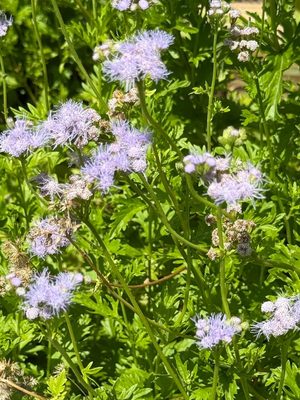
Gregg's Mistflower
Conoclinium greggii
- Full–part sun
- Dry–average
- 1–2 ft
- Blooms May–Oct
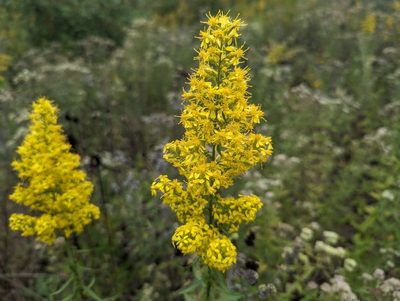
Showy Goldenrod
Solidago speciosa
- Full–part sun
- Dry–average
- 2–4 ft
- Blooms Sep–Oct
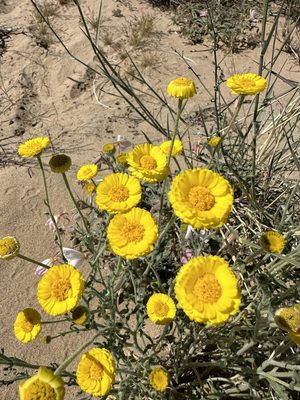
Desert Marigold
Baileya multiradiata
- Full sun
- Dry
- 12–18 in
- Blooms Mar–Oct
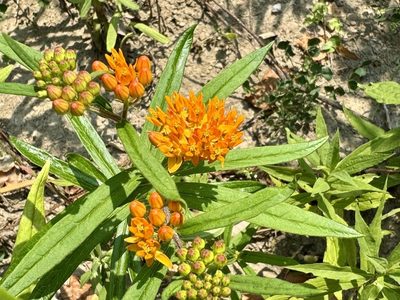
Butterfly Weed
Asclepias tuberosa
- Full sun
- Dry
- 1.5–2.5 ft
- Blooms Jun–Aug

Common Yarrow
Achillea millefolium
- Full sun
- Dry–average
- 1.5–3 ft
- Blooms May–Aug
All 73 natives for New Mexico.
Filter by what you want the planting to do. Every one of these is native to your region and hardy in zones 4–8.
| Plant | Light | Moisture | Bloom | Feeds |
|---|---|---|---|---|
| Apache PlumeFallugia paradoxa | Full sun | Dry | Blooms Apr–Sep | |
| Western ColumbineAquilegia formosa | Part shade | Average | Blooms Apr–Jul | |
| Firecracker PenstemonPenstemon eatonii | Full sun | Dry | Blooms Mar–May | |
| Lanceleaf CoreopsisCoreopsis lanceolata | Full sun | Dry–average | Blooms May–Jul | |
| OceansprayHolodiscus discolor | Sun to shade | Dry–average | Blooms Jun–Jul | |
| Golden AlexandersZizia aurea | Full–part sun | Average–wet | Blooms Apr–Jun | |
| Cardinal FlowerLobelia cardinalis | Full–part sun | Average–wet | Blooms Jul–Sep | |
| Purple ConeflowerEchinacea purpurea | Full–part sun | Dry–average | Blooms Jun–Sep | |
| New England AsterSymphyotrichum novae-angliae | Full–part sun | Average–wet | Blooms Sep–Oct | |
| BlanketflowerGaillardia aristata | Full sun | Dry | Blooms Jun–Sep | |
| Wild BergamotMonarda fistulosa | Full–part sun | Dry–average | Blooms Jun–Aug | |
| Lewis's Mock OrangePhiladelphus lewisii | Full–part sun | Dry–average | Blooms May–Jun | |
| Prairie SmokeGeum triflorum | Full–part sun | Dry | Blooms Apr–May | |
| Saskatoon ServiceberryAmelanchier alnifolia | Full–part sun | Dry–average | Blooms Apr–May | |
| Desert WillowChilopsis linearis | Full sun | Dry | Blooms May–Sep | |
| Spotted Joe-Pye WeedEutrochium maculatum | Full–part sun | Average–wet | Blooms Jul–Sep | |
| Gregg's MistflowerConoclinium greggii | Full–part sun | Dry–average | Blooms May–Oct | |
| Flame AcanthusAnisacanthus quadrifidus var. wrightii | Full sun | Dry | Blooms Jun–Oct | |
| Blue ElderberrySambucus cerulea | Full–part sun | Average–wet | Blooms Jun–Jul | |
| Showy GoldenrodSolidago speciosa | Full–part sun | Dry–average | Blooms Sep–Oct | |
| ButtonbushCephalanthus occidentalis | Full–part sun | Average–wet | Blooms Jun–Aug | |
| Desert MarigoldBaileya multiradiata | Full sun | Dry | Blooms Mar–Oct | |
| Sulphur-Flower BuckwheatEriogonum umbellatum | Full sun | Dry | Blooms Jun–Aug | |
| Great Blue LobeliaLobelia siphilitica | Full–part sun | Average–wet | Blooms Aug–Sep | |
| Butterfly WeedAsclepias tuberosa | Full sun | Dry | Blooms Jun–Aug | |
| Common YarrowAchillea millefolium | Full sun | Dry–average | Blooms May–Aug | |
| Foxglove BeardtonguePenstemon digitalis | Full–part sun | Dry–average | Blooms May–Jun | |
| Autumn SageSalvia greggii | Full–part sun | Dry | Blooms Apr–Oct | |
| Pasque FlowerPulsatilla patens | Full sun | Dry | Blooms Mar–Apr | |
| Common CamasCamassia quamash | Full–part sun | Average–wet | Blooms Apr–May | |
| Dense Blazing StarLiatris spicata | Full sun | Average–wet | Blooms Jul–Aug | |
| Wild ColumbineAquilegia canadensis | Part shade | Dry–average | Blooms Apr–Jun | |
| Anise HyssopAgastache foeniculum | Full–part sun | Dry–average | Blooms Jun–Sep | |
| Cup PlantSilphium perfoliatum | Full–part sun | Average–wet | Blooms Jul–Sep | |
| Rocky Mountain PenstemonPenstemon strictus | Full sun | Dry | Blooms May–Jul | |
| Black-Eyed SusanRudbeckia hirta | Full–part sun | Dry–average | Blooms Jun–Sep | |
| Swamp MilkweedAsclepias incarnata | Full–part sun | Average–wet | Blooms Jul–Aug | |
| Maximilian SunflowerHelianthus maximiliani | Full sun | Dry–average | Blooms Aug–Oct | |
| Aromatic AsterSymphyotrichum oblongifolium | Full sun | Dry | Blooms Sep–Nov | |
| Prairie Blazing StarLiatris pycnostachya | Full sun | Dry–average | Blooms Jul–Aug | |
| Chocolate FlowerBerlandiera lyrata | Full sun | Dry | Blooms May–Sep | |
| Culver's RootVeronicastrum virginicum | Full–part sun | Average–wet | Blooms Jun–Aug | |
| Eastern RedbudCercis canadensis | Full–part sun | Dry–average | Blooms Mar–Apr | |
| Obedient PlantPhysostegia virginiana | Full–part sun | Average–wet | Blooms Aug–Sep | |
| ServiceberryAmelanchier canadensis | Full–part sun | Average–wet | Blooms Apr–May | |
| NinebarkPhysocarpus opulifolius | Full–part sun | Dry to wet | Blooms May–Jun | |
| Virginia CreeperParthenocissus quinquefolia | Sun to shade | Dry–average | Blooms Jun | |
| Common MilkweedAsclepias syriaca | Full–part sun | Dry–average | Blooms Jun–Jul | |
| American ElderberrySambucus canadensis | Full–part sun | Average–wet | Blooms Jun–Jul | |
| Blue GramaBouteloua gracilis | Full sun | Dry | Blooms Jun–Aug | |
| New Jersey TeaCeanothus americanus | Full–part sun | Dry | Blooms May–Jul | |
| BearberryArctostaphylos uva-ursi | Full–part sun | Dry | Blooms Apr–May | |
| Rattlesnake MasterEryngium yuccifolium | Full sun | Dry–average | Blooms Jun–Aug | |
| Sideoats GramaBouteloua curtipendula | Full sun | Dry | Blooms Jun–Jul | |
| Blue VervainVerbena hastata | Full–part sun | Average–wet | Blooms Jul–Sep | |
| Common BonesetEupatorium perfoliatum | Full–part sun | Average–wet | Blooms Aug–Sep | |
| Stiff GoldenrodSolidago rigida | Full sun | Dry–average | Blooms Aug–Oct | |
| Golden CurrantRibes aureum | Full–part sun | Dry–average | Blooms Apr–May | |
| Compass PlantSilphium laciniatum | Full sun | Dry–average | Blooms Jul–Aug | |
| Nootka RoseRosa nutkana | Full–part sun | Average–wet | Blooms May–Jun | |
| Fragrant SumacRhus aromatica | Full–part sun | Dry | Blooms Mar–Apr | |
| Red-Twig DogwoodCornus sericea | Full–part sun | Average–wet | Blooms May–Jun | |
| Oregon GrapeBerberis aquifolium | Sun to shade | Dry–average | Blooms Mar–Apr | |
| Purple Prairie CloverDalea purpurea | Full sun | Dry | Blooms Jun–Jul | |
| Antelope BitterbrushPurshia tridentata | Full sun | Dry | Blooms Apr–Jun | |
| Showy MilkweedAsclepias speciosa | Full sun | Dry–average | Blooms Jun–Jul | |
| Common SnowberrySymphoricarpos albus | Sun to shade | Dry–average | Blooms Jun–Jul | |
| SwitchgrassPanicum virgatum | Full–part sun | Dry to wet | Fall color | |
| Little BluestemSchizachyrium scoparium | Full sun | Dry–average | Fall color | |
| Indian GrassSorghastrum nutans | Full sun | Dry–average | Fall color | |
| Big BluestemAndropogon gerardii | Full sun | Dry to wet | Fall color | |
| Prairie DropseedSporobolus heterolepis | Full sun | Dry–average | Fall color | |
| Idaho FescueFestuca idahoensis | Full–part sun | Dry | Evergreen |
No plants in this state match that goal.
What is blooming in New Mexico in October.
9 of the 73 species native to New Mexico flower in October. Every one of them wants full sun. It is a purple, blue, gold month here.
New England Aster
Symphyotrichum novae-angliae
- Full–part sun
- Average–wet
- 3–5 ft
- Blooms Sep–Oct
Gregg's Mistflower
Conoclinium greggii
- Full–part sun
- Dry–average
- 1–2 ft
- Blooms May–Oct
Showy Goldenrod
Solidago speciosa
- Full–part sun
- Dry–average
- 2–4 ft
- Blooms Sep–Oct
Desert Marigold
Baileya multiradiata
- Full sun
- Dry
- 12–18 in
- Blooms Mar–Oct
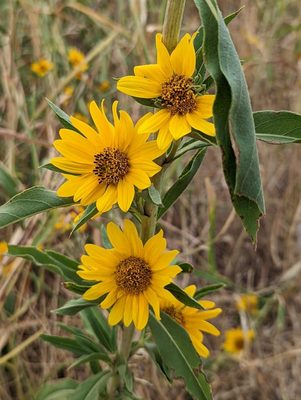
Maximilian Sunflower
Helianthus maximiliani
- Full sun
- Dry–average
- 5–8 ft
- Blooms Aug–Oct
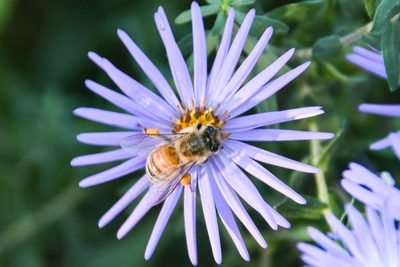
Aromatic Aster
Symphyotrichum oblongifolium
- Full sun
- Dry
- 1.5–2.5 ft
- Blooms Sep–Nov
Flame Acanthus
Anisacanthus quadrifidus var. wrightii
- Full sun
- Dry
- 2–4 ft
- Blooms Jun–Oct
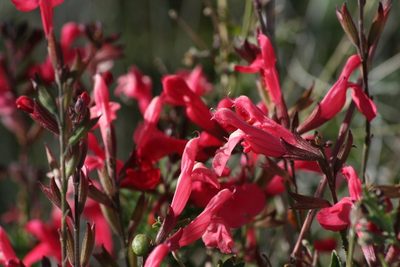
Autumn Sage
Salvia greggii
- Full–part sun
- Dry
- 2–3 ft
- Blooms Apr–Oct
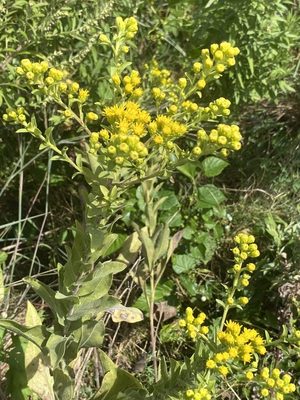
Stiff Goldenrod
Solidago rigida
- Full sun
- Dry–average
- 3–5 ft
- Blooms Aug–Oct
The jobs a native planting asks for in October, by hardiness band: what to do in the garden this month.
The same goals, across every state.
The filters above narrow this page. These open the subject properly, nationwide.
Pollinators
64 native species in New Mexico
For bees
62 native species in New Mexico
Butterflies
56 native species in New Mexico
Hummingbirds
19 native species in New Mexico
For birds
35 native species in New Mexico
Deer-resistant
54 native species in New Mexico
Full sun
71 native species in New Mexico
For shade
6 native species in New Mexico
Drought-tolerant
52 native species in New Mexico
Clay soil
44 native species in New Mexico
Rain garden
22 native species in New Mexico
Groundcovers
8 native species in New Mexico
Flowering shrubs
20 native species in New Mexico
Grasses
8 native species in New Mexico
Low-maintenance
36 native species in New Mexico
Evergreen
7 native species in New Mexico
Fall color
12 native species in New Mexico
Fragrant
13 native species in New Mexico
Gardening in New Mexicowhat grows where, and why
New Mexico is high. Even its low desert sits well above sea level, and Albuquerque and Santa Fe are at elevations that give them cold winters despite their southern latitude.
The southern third is Chihuahuan Desert, higher and cooler than the Sonoran, with creosote, agave, and desert grassland. Moving up, pinyon-juniper woodland covers enormous areas of the middle elevations. Above that comes ponderosa pine, then mixed conifer, then spruce and fir, and finally alpine tundra on the highest peaks in the Sangre de Cristos.
The result is that latitude tells you almost nothing here and elevation tells you almost everything.
Monsoon and winter moisture
Like Arizona, New Mexico receives summer monsoon rain, generally from July into September, and that is when much of the native flora does its growing and flowering. Winter brings snow at elevation and some moisture lower down. Spring is typically dry and windy.
Plant with the monsoon rather than against it. Setting plants out just before the summer rains gives them natural irrigation during establishment, which is a real advantage in a place where hand-watering is otherwise the only option.
Wind, sun, and thin air
Spring winds are strong and persistent, and at these elevations sunlight is intense. Both drive moisture out of plants faster than the air temperature suggests.
Native species tolerate it: chamisa, apache plume, penstemons, globemallow, winterfat, blue grama, and the many composites of the high desert grassland. They want lean, alkaline, fast-draining soil and very little water once established.
Alkaline soil and caliche
Soils are alkaline nearly statewide and often shallow, with caliche hardpan in many areas. Check for it before planting trees or shrubs, since a layer of it will hold water around roots and drown a plant in a desert.
Do not attempt to acidify the soil. Choose plants that want alkaline ground, which the native flora supplies in abundance.
Water as the organizing question
Water is scarce and often restricted. Native plantings are the practical response rather than a sacrifice: a well-chosen bed of high-desert natives looks better in August than an irrigated lawn and costs nothing to run.
Water deeply and infrequently during establishment to draw roots down, then taper. Gravel mulch suits these plants better than bark.
Confirming what is native to your area
The Native Plant Society of New Mexico runs chapters at very different elevations, and their local knowledge is the fastest route to a workable plant list. New Mexico State University Cooperative Extension publishes guidance organized by elevation zone, and the Santa Fe Botanical Garden displays plants suited to the northern part of the state.
Sources: New Mexico State University Cooperative Extension Service (elevation zone plant guidance); Natural Heritage New Mexico, University of New Mexico (species distribution and natural communities); USDA PLANTS Database (native status by state).
Where to buy New Mexico natives
Some links here are affiliate links and we may earn a small commission at no extra cost to you.
What a first-year New Mexico planting needs, from a pH kit to mulch.
Put these plants in one real bed.
Draw a bed to scale, answer ten questions you can see from a window, and get a real answer for New Mexico: whether the space works, roughly what the plants would cost, and which natives suit your light and drainage. Free, and nothing to sign up for.
The $7 New Mexico Native Planting Workbook takes the whole state with you: the year month by month, every profiled species, and what New Mexico has listed. About the workbook.