Native Plants for Michigan
Sand and lake water explain most of Michigan gardening: glacial outwash gives much of the state a droughty soil, and the Great Lakes soften the climate along every shore.
Regions: the Midwest
Ecoregion: Great Lakes forest & dune
68 native species for Michigan, with the light, moisture and bloom time for each, and what every one of them feeds.
Plants to know in Michigan.
A cross-section of the 68 species native to your region, the workhorses worth starting with.

Wild Bergamot
Monarda fistulosa
- Full–part sun
- Dry–average
- 2–4 ft
- Blooms Jun–Aug
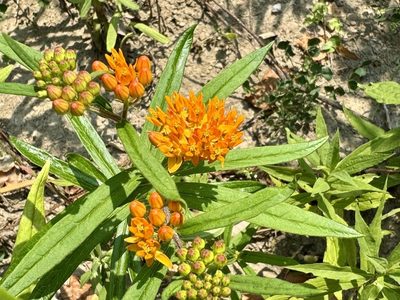
Butterfly Weed
Asclepias tuberosa
- Full sun
- Dry
- 1.5–2.5 ft
- Blooms Jun–Aug
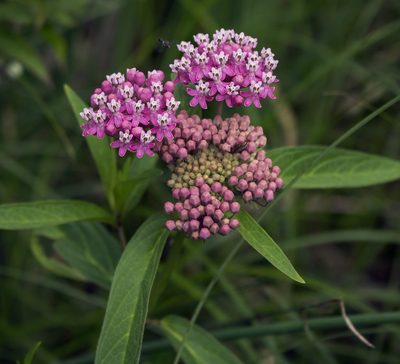
Swamp Milkweed
Asclepias incarnata
- Full–part sun
- Average–wet
- 3–4 ft
- Blooms Jul–Aug
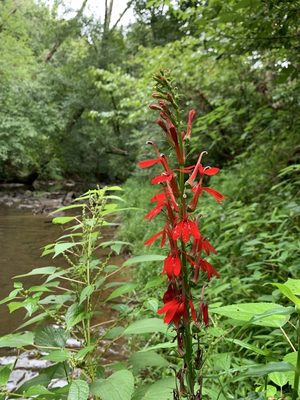
Cardinal Flower
Lobelia cardinalis
- Full–part sun
- Average–wet
- 2–4 ft
- Blooms Jul–Sep
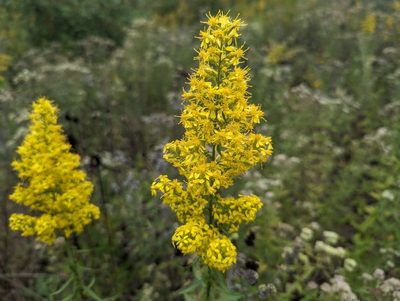
Showy Goldenrod
Solidago speciosa
- Full–part sun
- Dry–average
- 2–4 ft
- Blooms Sep–Oct
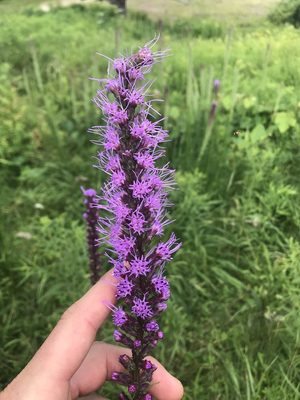
Dense Blazing Star
Liatris spicata
- Full sun
- Average–wet
- 2–4 ft
- Blooms Jul–Aug
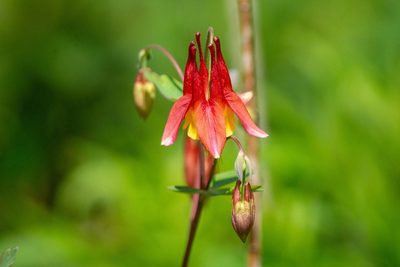
Wild Columbine
Aquilegia canadensis
- Part shade
- Dry–average
- 1–2.5 ft
- Blooms Apr–Jun

Common Yarrow
Achillea millefolium
- Full sun
- Dry–average
- 1.5–3 ft
- Blooms May–Aug
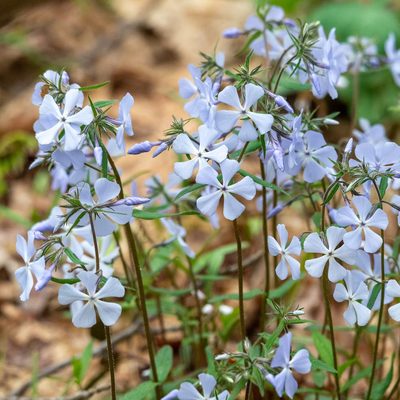
Woodland Phlox
Phlox divaricata
- Part shade
- Average
- 10–15 in
- Blooms Apr–May
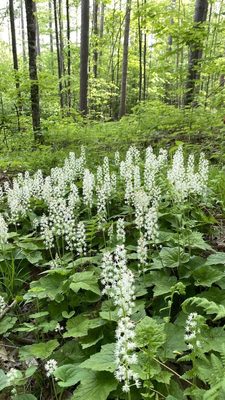
Foamflower
Tiarella cordifolia
- Part shade
- Average
- 6–12 in
- Blooms Apr–May
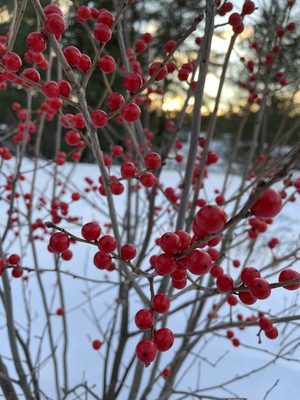
Winterberry
Ilex verticillata
- Full–part sun
- Average–wet
- 5–10 ft
- Blooms Jun–Jul

Prairie Smoke
Geum triflorum
- Full–part sun
- Dry
- 6–16 in
- Blooms Apr–May
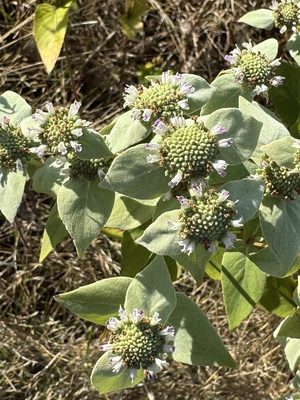
Short-Toothed Mountain Mint
Pycnanthemum muticum
- Full–part sun
- Dry–average
- 2–3 ft
- Blooms Jul–Sep
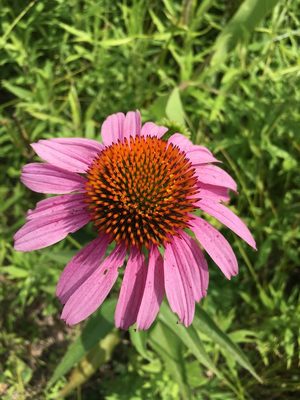
Purple Coneflower
Echinacea purpurea
- Full–part sun
- Dry–average
- 2–4 ft
- Blooms Jun–Sep
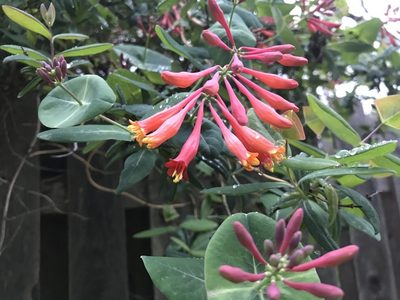
Trumpet Honeysuckle
Lonicera sempervirens
- Full–part sun
- Dry–average
- 8–15 ft
- Blooms Apr–Sep
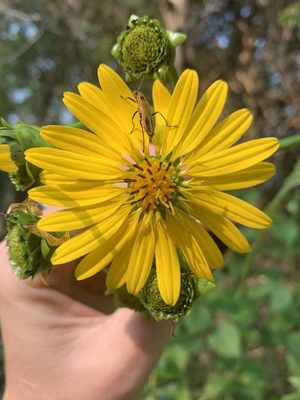
Cup Plant
Silphium perfoliatum
- Full–part sun
- Average–wet
- 5–8 ft
- Blooms Jul–Sep
All 68 natives for Michigan.
Filter by what you want the planting to do. Every one of these is native to your region and hardy in zones 4–6.
| Plant | Light | Moisture | Bloom | Feeds |
|---|---|---|---|---|
| Wild BergamotMonarda fistulosa | Full–part sun | Dry–average | Blooms Jun–Aug | |
| Butterfly WeedAsclepias tuberosa | Full sun | Dry | Blooms Jun–Aug | |
| Swamp MilkweedAsclepias incarnata | Full–part sun | Average–wet | Blooms Jul–Aug | |
| Arrowwood ViburnumViburnum dentatum | Sun to shade | Average–wet | Blooms May–Jun | |
| Cardinal FlowerLobelia cardinalis | Full–part sun | Average–wet | Blooms Jul–Sep | |
| Showy GoldenrodSolidago speciosa | Full–part sun | Dry–average | Blooms Sep–Oct | |
| Dense Blazing StarLiatris spicata | Full sun | Average–wet | Blooms Jul–Aug | |
| ServiceberryAmelanchier canadensis | Full–part sun | Average–wet | Blooms Apr–May | |
| Wild ColumbineAquilegia canadensis | Part shade | Dry–average | Blooms Apr–Jun | |
| Common YarrowAchillea millefolium | Full sun | Dry–average | Blooms May–Aug | |
| Woodland PhloxPhlox divaricata | Part shade | Average | Blooms Apr–May | |
| Smooth HydrangeaHydrangea arborescens | Part shade | Average | Blooms Jun–Aug | |
| FoamflowerTiarella cordifolia | Part shade | Average | Blooms Apr–May | |
| WinterberryIlex verticillata | Full–part sun | Average–wet | Blooms Jun–Jul | |
| Prairie SmokeGeum triflorum | Full–part sun | Dry | Blooms Apr–May | |
| Short-Toothed Mountain MintPycnanthemum muticum | Full–part sun | Dry–average | Blooms Jul–Sep | |
| Aromatic AsterSymphyotrichum oblongifolium | Full sun | Dry | Blooms Sep–Nov | |
| Purple ConeflowerEchinacea purpurea | Full–part sun | Dry–average | Blooms Jun–Sep | |
| Trumpet HoneysuckleLonicera sempervirens | Full–part sun | Dry–average | Blooms Apr–Sep | |
| Cup PlantSilphium perfoliatum | Full–part sun | Average–wet | Blooms Jul–Sep | |
| Great Blue LobeliaLobelia siphilitica | Full–part sun | Average–wet | Blooms Aug–Sep | |
| Prairie Blazing StarLiatris pycnostachya | Full sun | Dry–average | Blooms Jul–Aug | |
| Anise HyssopAgastache foeniculum | Full–part sun | Dry–average | Blooms Jun–Sep | |
| Flowering DogwoodCornus florida | Part shade | Average | Blooms Apr–May | |
| Culver's RootVeronicastrum virginicum | Full–part sun | Average–wet | Blooms Jun–Aug | |
| Pasque FlowerPulsatilla patens | Full sun | Dry | Blooms Mar–Apr | |
| ButtonbushCephalanthus occidentalis | Full–part sun | Average–wet | Blooms Jun–Aug | |
| Spotted Joe-Pye WeedEutrochium maculatum | Full–part sun | Average–wet | Blooms Jul–Sep | |
| Foxglove BeardtonguePenstemon digitalis | Full–part sun | Dry–average | Blooms May–Jun | |
| Wild GeraniumGeranium maculatum | Part shade | Average | Blooms Apr–Jun | |
| Obedient PlantPhysostegia virginiana | Full–part sun | Average–wet | Blooms Aug–Sep | |
| New England AsterSymphyotrichum novae-angliae | Full–part sun | Average–wet | Blooms Sep–Oct | |
| Maximilian SunflowerHelianthus maximiliani | Full sun | Dry–average | Blooms Aug–Oct | |
| Saskatoon ServiceberryAmelanchier alnifolia | Full–part sun | Dry–average | Blooms Apr–May | |
| Black-Eyed SusanRudbeckia hirta | Full–part sun | Dry–average | Blooms Jun–Sep | |
| Golden AlexandersZizia aurea | Full–part sun | Average–wet | Blooms Apr–Jun | |
| Scarlet BeebalmMonarda didyma | Full–part sun | Average–wet | Blooms Jul–Aug | |
| Virginia BluebellsMertensia virginica | Part shade | Average–wet | Blooms Mar–May | |
| Eastern RedbudCercis canadensis | Full–part sun | Dry–average | Blooms Mar–Apr | |
| Lanceleaf CoreopsisCoreopsis lanceolata | Full sun | Dry–average | Blooms May–Jul | |
| Red-Twig DogwoodCornus sericea | Full–part sun | Average–wet | Blooms May–Jun | |
| Common BonesetEupatorium perfoliatum | Full–part sun | Average–wet | Blooms Aug–Sep | |
| Wild LupineLupinus perennis | Full–part sun | Dry | Blooms Apr–Jun | |
| New Jersey TeaCeanothus americanus | Full–part sun | Dry | Blooms May–Jul | |
| SpicebushLindera benzoin | Part shade | Average–wet | Blooms Mar–Apr | |
| BearberryArctostaphylos uva-ursi | Full–part sun | Dry | Blooms Apr–May | |
| NinebarkPhysocarpus opulifolius | Full–part sun | Dry to wet | Blooms May–Jun | |
| Creeping PhloxPhlox subulata | Full–part sun | Dry–average | Blooms Apr–May | |
| Sideoats GramaBouteloua curtipendula | Full sun | Dry | Blooms Jun–Jul | |
| Wild GingerAsarum canadense | Part shade | Average | Blooms Apr–May | |
| Purple Prairie CloverDalea purpurea | Full sun | Dry | Blooms Jun–Jul | |
| Stiff GoldenrodSolidago rigida | Full sun | Dry–average | Blooms Aug–Oct | |
| Rattlesnake MasterEryngium yuccifolium | Full sun | Dry–average | Blooms Jun–Aug | |
| Fragrant SumacRhus aromatica | Full–part sun | Dry | Blooms Mar–Apr | |
| Common MilkweedAsclepias syriaca | Full–part sun | Dry–average | Blooms Jun–Jul | |
| Common SnowberrySymphoricarpos albus | Sun to shade | Dry–average | Blooms Jun–Jul | |
| American ElderberrySambucus canadensis | Full–part sun | Average–wet | Blooms Jun–Jul | |
| Compass PlantSilphium laciniatum | Full sun | Dry–average | Blooms Jul–Aug | |
| Blue VervainVerbena hastata | Full–part sun | Average–wet | Blooms Jul–Sep | |
| Virginia CreeperParthenocissus quinquefolia | Sun to shade | Dry–average | Blooms Jun | |
| Christmas FernPolystichum acrostichoides | Part shade | Dry–average | Evergreen | |
| Cinnamon FernOsmundastrum cinnamomeum | Part shade | Average–wet | Foliage | |
| Pennsylvania SedgeCarex pensylvanica | Part shade | Dry–average | Foliage | |
| Prairie DropseedSporobolus heterolepis | Full sun | Dry–average | Fall color | |
| Indian GrassSorghastrum nutans | Full sun | Dry–average | Fall color | |
| SwitchgrassPanicum virgatum | Full–part sun | Dry to wet | Fall color | |
| Little BluestemSchizachyrium scoparium | Full sun | Dry–average | Fall color | |
| Big BluestemAndropogon gerardii | Full sun | Dry to wet | Fall color |
No plants in this state match that goal.
What is blooming in Michigan in October.
5 of the 68 species native to Michigan flower in October. Every one of them wants full sun. It is a gold, purple, blue month here.
Showy Goldenrod
Solidago speciosa
- Full–part sun
- Dry–average
- 2–4 ft
- Blooms Sep–Oct
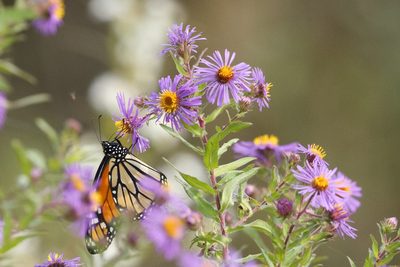
New England Aster
Symphyotrichum novae-angliae
- Full–part sun
- Average–wet
- 3–5 ft
- Blooms Sep–Oct
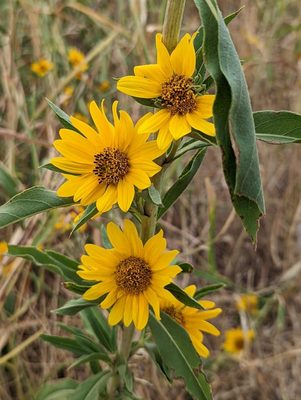
Maximilian Sunflower
Helianthus maximiliani
- Full sun
- Dry–average
- 5–8 ft
- Blooms Aug–Oct
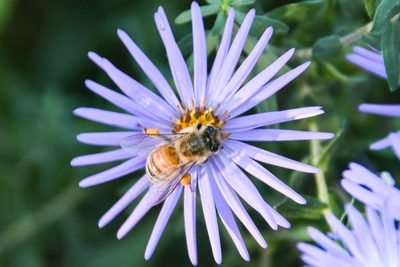
Aromatic Aster
Symphyotrichum oblongifolium
- Full sun
- Dry
- 1.5–2.5 ft
- Blooms Sep–Nov
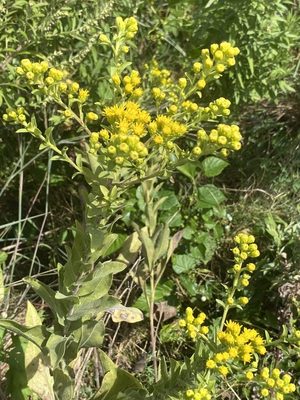
Stiff Goldenrod
Solidago rigida
- Full sun
- Dry–average
- 3–5 ft
- Blooms Aug–Oct
The jobs a native planting asks for in October, by hardiness band: what to do in the garden this month.
The same goals, across every state.
The filters above narrow this page. These open the subject properly, nationwide.
Pollinators
58 native species in Michigan
For bees
55 native species in Michigan
Butterflies
52 native species in Michigan
Hummingbirds
15 native species in Michigan
For birds
32 native species in Michigan
Deer-resistant
45 native species in Michigan
Full sun
56 native species in Michigan
For shade
15 native species in Michigan
Drought-tolerant
36 native species in Michigan
Clay soil
47 native species in Michigan
Rain garden
25 native species in Michigan
Groundcovers
13 native species in Michigan
Flowering shrubs
13 native species in Michigan
Grasses
7 native species in Michigan
Low-maintenance
33 native species in Michigan
Fall color
14 native species in Michigan
Fragrant
11 native species in Michigan
Gardening in Michiganwhat grows where, and why
Two facts do most of the work in a Michigan garden. The first is that glaciers left enormous quantities of sand and gravel outwash across the state, so soils that look like ordinary garden ground often drain far faster than expected. The second is that four Great Lakes moderate the air around them, delaying spring on the shoreline, holding off the first hard frost in autumn, and buffering winter lows.
That lake effect is why the western shore is fruit country: the water keeps orchards dormant through late frosts. It also means a garden near Lake Michigan and a garden the same distance north but inland do not share a season.
The sand is the more common surprise. On outwash, watering does not soak in and sit the way it does in clay, and the natives that succeed are the ones adapted to lean, fast-draining ground: butterfly weed, lupine, little bluestem, and the oak-savanna flora generally. Fighting that with amendments and irrigation is expensive and rarely wins.
Three different states to garden in
Southern Michigan, below roughly the latitude of Lansing, was oak savanna, prairie fen, and beech-maple forest, and it has the state's longest season. The northern Lower Peninsula turns colder and sandier, with jack pine barrens on the poorest ground, a habitat so specific that it supports birds found essentially nowhere else. The Upper Peninsula is northern hardwood and boreal conifer, with short summers, deep snow cover that actually protects plant crowns, and hardiness zones a full step or two below the south.
Along Lake Michigan, the freshwater dunes are the largest system of their kind in the world, and they carry a specialized flora that belongs on dunes rather than in yards.
What to plant, and when
Fall planting works well in the south. Farther north, spring planting is safer: a plant set out in September in the Upper Peninsula may not root enough before the ground freezes.
Snow cover is an asset worth planning around. Where it is reliable, plants overwinter under insulation and survive colder air temperatures than their zone rating suggests. Where winters have turned patchy, that protection is less dependable, and siting matters more.
Leave stems standing over winter. On sandy sites they also catch and hold snow, which is a genuine benefit rather than only a tidiness question.
Confirming what is native to your county
The Michigan Botanical Society and the Wildflower Association of Michigan both publish regional guidance, and the Michigan Natural Features Inventory documents which natural communities occur where. Michigan State University Extension maintains practical native plant lists by region.
Sources: Michigan Natural Features Inventory, Michigan State University (natural communities); Michigan Department of Natural Resources (ecoregions and dune systems); USDA PLANTS Database (native status by state).
Where to buy Michigan natives
Some links here are affiliate links and we may earn a small commission at no extra cost to you.
What a first-year Michigan planting needs, from a pH kit to mulch.
Put these plants in one real bed.
Draw a bed to scale, answer ten questions you can see from a window, and get a real answer for Michigan: whether the space works, roughly what the plants would cost, and which natives suit your light and drainage. Free, and nothing to sign up for.
The $7 Michigan Native Planting Workbook takes the whole state with you: the year month by month, every profiled species, and what Michigan has listed. About the workbook.