- Home
- Plant guide
- Dense Blazing Star
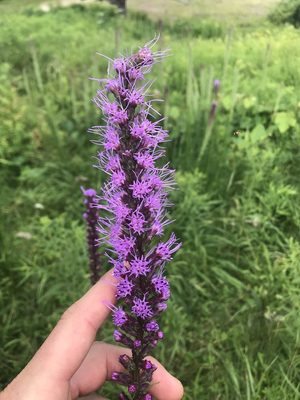
Dense Blazing Star
Liatris spicata
Vertical wands of magenta that open top-down and pull in every swallowtail in the neighborhood.
Native to: the Northeast · the Mid-Atlantic · the Southeast · the Midwest · the Great Plains
Growing Dense Blazing Star
Grows from a corm and tolerates moist ground better than other blazing stars. A florist-quality cut flower that lasts a week in a vase.
Where it belongs
Dense blazing star, sold everywhere as liatris, is native across the East, Midwest, and eastern Plains. In the wild it grows in moist prairies, wet meadows, and open low ground, which is not what most people assume about a prairie plant.
That moisture tolerance separates it from its relatives. Prairie blazing star and most others want sharp drainage. This one accepts medium to wet soil, which makes it the blazing star for a rain garden or the low end of a bed.
Growing it
Full sun, medium to wet soil, in loam or clay, zones 3 to 9. Two to four feet.
It grows from a corm, a flattened underground storage organ rather than a fibrous root mass, and corms are what you buy in a bag at a garden center in spring. Plant them shallow, the top an inch or two down, flat side down. Rotting in cold wet winter soil is the usual failure, so avoid a spot that stands in water from December to March even though it accepts summer moisture.
The flowering habit is worth noticing. Nearly every spiked flower opens from the bottom up. This opens from the top down, which is odd enough that you will watch for it once you know.
It is the standard florist liatris and cuts well, lasting about a week in water. Dried, the spikes hold their color.
What it feeds
Butterflies dominate the visitor list, and swallowtails in particular. A flowering clump in July will hold tiger swallowtails, monarchs, and fritillaries at the same time.
Bumblebees work it heavily. Several specialist bees collect liatris pollen. The ripe seed feeds goldfinches, which will strip a spike in a morning.
If you are trying to get monarchs into a small yard, blazing star and a milkweed together do more than either alone: one to lay on, one to feed the adults.
Living with it
Deer generally leave the foliage alone, but rodents dig the corms, especially in the first winter. A piece of hardware cloth laid over a new planting through the first season deals with it.
The grassy basal foliage browns from the bottom as the plant flowers, which is normal. Plant something low in front if the bare ankles bother you.
Leave the seed heads standing for the goldfinches. Cut back in spring.
Sources: USDA PLANTS Database (native range); Lady Bird Johnson Wildflower Center, University of Texas at Austin (species profile and culture); Xerces Society (butterfly nectar and specialist bees).
It’s deer-resistant, showy, a good cut flower, and long-blooming.Where it grows
Dense Blazing Star is native to the Northeast. In the wild you’ll find it across Alabama · Arkansas · Colorado · Connecticut · Delaware · Florida · Georgia · Illinois · Indiana · Iowa and 32 more states. Always confirm it suits your specific county with your state native plant society before planting.
Regional Garden has written state guides covering Dense Blazing Star in 42 of them so far.
Good for
Where to buy Dense Blazing Star
Some links here are affiliate links and we may earn a small commission at no extra cost to you.
What a first-year Dense Blazing Star planting needs, from a pH kit to mulch.
Companions & kin.
Natives that share Dense Blazing Star’s range and conditions.
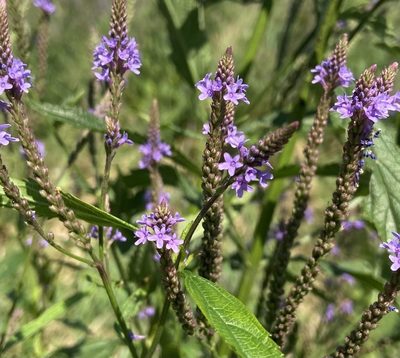
Blue Vervain
Verbena hastata
Candelabras of tiny violet flowers for wet ground, working for small native bees all summer.
- Full–part sun
- Average–wet
- 3–5 ft
- Blooms Jul–Sep
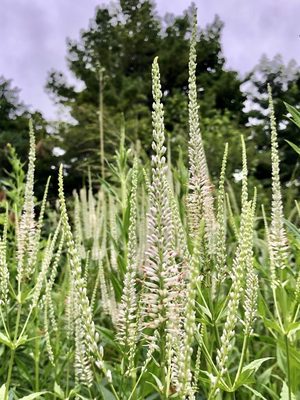
Culver's Root
Veronicastrum virginicum
Elegant white candelabra spires that bring vertical structure and a haze of bees to midsummer.
- Full–part sun
- Average–wet
- 3–5 ft
- Blooms Jun–Aug
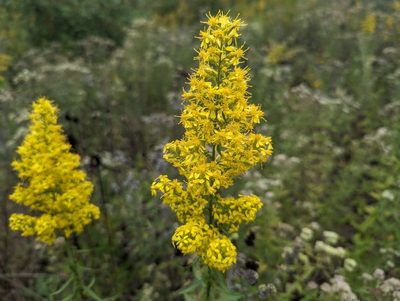
Showy Goldenrod
Solidago speciosa
Upright golden candles that anchor the fall garden, and no, goldenrod doesn't cause hay fever.
- Full–part sun
- Dry–average
- 2–4 ft
- Blooms Sep–Oct
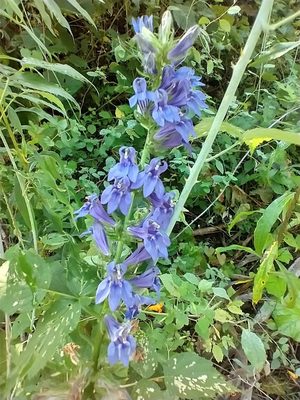
Great Blue Lobelia
Lobelia siphilitica
Spikes of true blue for late summer shade and damp ground, worked hard by bumblebees.
- Full–part sun
- Average–wet
- 2–3 ft
- Blooms Aug–Sep