- Home
- Plant guide
- Culver's Root
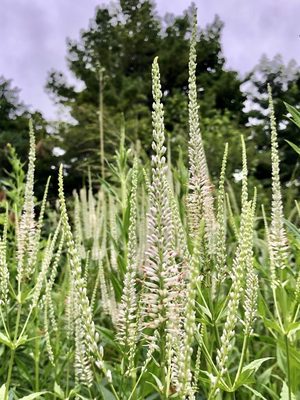
Jamie Hunter (CC BY)
Culver's Root
Veronicastrum virginicum
Elegant white candelabra spires that bring vertical structure and a haze of bees to midsummer.
Native to: the Northeast · the Mid-Atlantic · the Southeast · the Midwest · the Great Plains
Growing Culver's Root
Long-lived and clump-forming with whorled, tiered foliage. A refined choice for the middle or back of a moist border.
Where it belongs
Culver's root is native across the East, Midwest, and eastern Plains, growing in moist prairies, wet meadows, and open low woods.
It is the answer to a specific objection. People who dislike native plantings usually mean they dislike the loose, shaggy look of a meadow. This plant is architecturally precise: leaves in neat whorls at regular intervals up a straight stem, topped by several white spires held like a candelabra. Set in a row it looks as deliberate as anything in a formal border, and it is native across half the country.
Growing it
Full sun to part sun, medium to wet soil, in loam or clay, zones 3 to 8. Three to five feet.
Consistent moisture is what keeps it looking right. In dry soil the lower leaves scorch and drop, which ruins the tiered effect that is the whole point.
It is long-lived and clump-forming, and it does not run or reseed aggressively. An established clump can sit in the same spot for many years without division, which is unusual for a perennial of this size.
It rarely needs staking in full sun. In part shade the stems reach and may lean.
What it feeds
The spires open in June and run into August, covering the stretch between the early-summer perennials and the Joe-Pye and goldenrod that follow.
The individual flowers are small, packed densely, and shallow, so a wide range of insects can reach the nectar. Bumblebees work the spires from the bottom up, along with honey bees, small native bees, and flower flies. Butterflies and skippers take nectar. Several specialist bees collect from this genus.
Because the plant holds hundreds of small flowers at once, the traffic is sustained rather than occasional.
Living with it
Deer generally avoid it.
The historical name refers to a physician who promoted the root as a purgative. It is not something to consume, and the plant is grown ornamentally and as habitat.
It combines well with the plants that share its moisture requirement: Joe-Pye weed behind it, blue vervain and swamp milkweed beside it, great blue lobelia and cardinal flower at its feet.
The dried spires stand upright through winter and read well against snow. Cut back in spring.
Sources: USDA PLANTS Database (native range); Lady Bird Johnson Wildflower Center, University of Texas at Austin (species profile); Xerces Society (pollinator forage and specialist bees).
It’s deer-resistant, and showy.Where it grows
Culver's Root is native to the Northeast. In the wild you’ll find it across Alabama · Arkansas · Colorado · Connecticut · Delaware · Florida · Georgia · Illinois · Indiana · Iowa and 32 more states. Always confirm it suits your specific county with your state native plant society before planting.
Regional Garden has written state guides covering Culver's Root in 42 of them so far.
Good for
Where to buy Culver's Root
Some links here are affiliate links and we may earn a small commission at no extra cost to you.
What a first-year Culver's Root planting needs, from a pH kit to mulch.
Companions & kin.
Natives that share Culver's Root’s range and conditions.
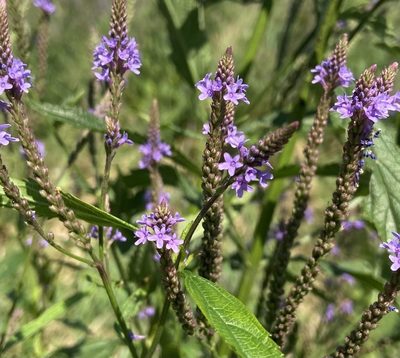
Blue Vervain
Verbena hastata
Candelabras of tiny violet flowers for wet ground, working for small native bees all summer.
- Full–part sun
- Average–wet
- 3–5 ft
- Blooms Jul–Sep
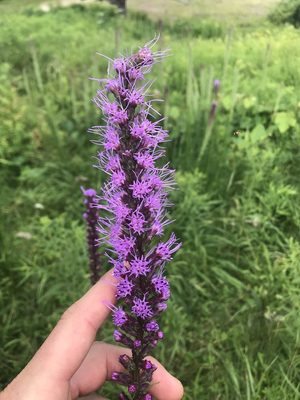
Dense Blazing Star
Liatris spicata
Vertical wands of magenta that open top-down and pull in every swallowtail in the neighborhood.
- Full sun
- Average–wet
- 2–4 ft
- Blooms Jul–Aug
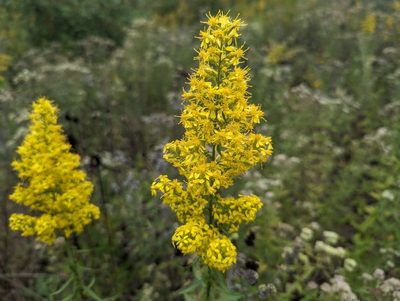
Showy Goldenrod
Solidago speciosa
Upright golden candles that anchor the fall garden, and no, goldenrod doesn't cause hay fever.
- Full–part sun
- Dry–average
- 2–4 ft
- Blooms Sep–Oct
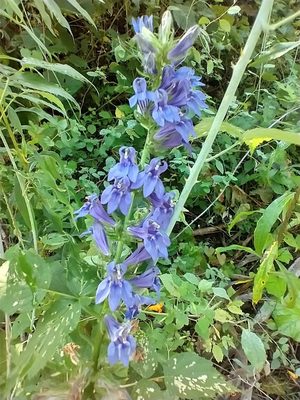
Great Blue Lobelia
Lobelia siphilitica
Spikes of true blue for late summer shade and damp ground, worked hard by bumblebees.
- Full–part sun
- Average–wet
- 2–3 ft
- Blooms Aug–Sep