- Home
- Plant guide
- Great Blue Lobelia
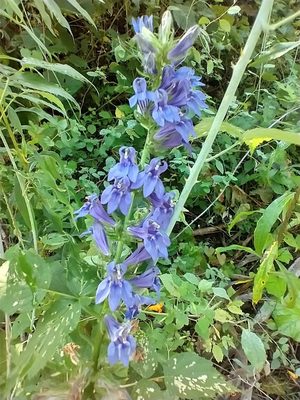
Tom Norton (CC BY)
Great Blue Lobelia
Lobelia siphilitica
Spikes of true blue for late summer shade and damp ground, worked hard by bumblebees.
Native to: the Northeast · the Mid-Atlantic · the Southeast · the Midwest · the Great Plains
Growing Great Blue Lobelia
Pairs beautifully with cardinal flower in the same moist conditions. Tolerates more shade than most blue-flowered natives.
Where it belongs
Great blue lobelia is native across the East, Midwest, and eastern Plains, growing in wet meadows, seeps, stream banks, and the damp edges of woods.
It is the shade-tolerant, blue-flowered counterpart to cardinal flower, and the two are worth thinking about together because they want identical conditions and bloom at the same time. Planted side by side in a wet spot they give you deep blue and pure red at the end of summer, which is the strongest color moment most native plantings can produce.
Growing it
Part sun to full sun, wet to medium soil, in loam or clay, zones 4 to 9. Two to three feet, upright and narrow.
Moisture is the non-negotiable part. In full sun it needs ground that stays reliably damp; with afternoon shade it will accept somewhat less. A downspout outfall, a low swale, a pond margin, or the wet corner of a lawn all work.
Like cardinal flower it is short-lived and replaces itself from seed. Seedlings need bare, damp soil, so leave patches of open ground rather than mulching to the crown. The basal rosette stays green through winter and needs light, so do not bury it under fallen leaves.
Blue is genuinely rare among late-summer perennials, which is most of why this plant is worth the moisture it demands.
What it feeds
Bumblebees are the main visitors and are heavy enough to force the flower open, which smaller bees cannot do. Watch one work a spike from bottom to top and the mechanism is obvious.
Hummingbirds visit as well, less than they visit the red species but regularly. Butterflies take nectar where they can reach it.
The timing matters: it opens in August and September, when bumblebee colonies are producing next year's queens and need the most food they will need all year.
Living with it
Deer avoid it. The sap is bitter and mildly toxic, which is also a reason to keep it out of a bed a small child grazes in.
The species name comes from an old and mistaken medical use, not from anything about the plant. It is worth knowing only so the name does not puzzle you.
Leave the stems until seed drops, then leave them for winter. Cut back in late spring, keeping clear of the overwintering rosette.
Sources: USDA PLANTS Database (native range); Lady Bird Johnson Wildflower Center, University of Texas at Austin (species profile); Xerces Society (bumblebee forage through the late-season colony cycle).
It’s deer-resistant, and showy.Where it grows
Great Blue Lobelia is native to the Northeast. In the wild you’ll find it across Alabama · Arkansas · Colorado · Connecticut · Delaware · Florida · Georgia · Illinois · Indiana · Iowa and 32 more states. Always confirm it suits your specific county with your state native plant society before planting.
Regional Garden has written state guides covering Great Blue Lobelia in 42 of them so far.
Good for
Where to buy Great Blue Lobelia
Some links here are affiliate links and we may earn a small commission at no extra cost to you.
What a first-year Great Blue Lobelia planting needs, from a pH kit to mulch.
Companions & kin.
Natives that share Great Blue Lobelia’s range and conditions.
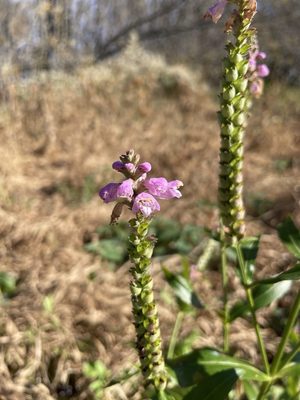
Obedient Plant
Physostegia virginiana
Snapdragon-like pink spikes for late summer, beloved by bumblebees and hummingbirds.
- Full–part sun
- Average–wet
- 2–4 ft
- Blooms Aug–Sep
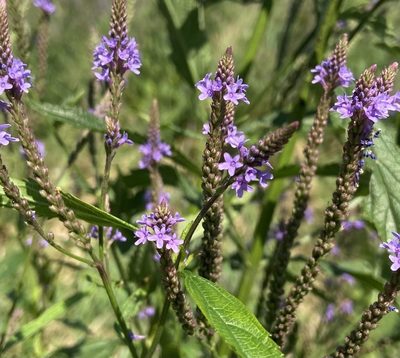
Blue Vervain
Verbena hastata
Candelabras of tiny violet flowers for wet ground, working for small native bees all summer.
- Full–part sun
- Average–wet
- 3–5 ft
- Blooms Jul–Sep
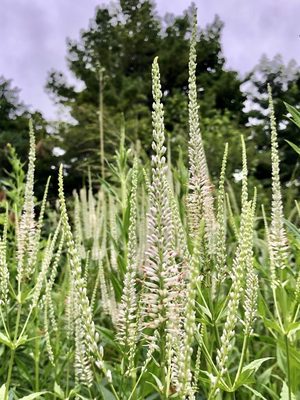
Culver's Root
Veronicastrum virginicum
Elegant white candelabra spires that bring vertical structure and a haze of bees to midsummer.
- Full–part sun
- Average–wet
- 3–5 ft
- Blooms Jun–Aug
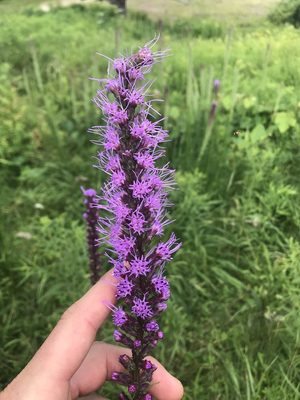
Dense Blazing Star
Liatris spicata
Vertical wands of magenta that open top-down and pull in every swallowtail in the neighborhood.
- Full sun
- Average–wet
- 2–4 ft
- Blooms Jul–Aug