Native Plants for Washington, D.C.
The District sits exactly on the fall line where Piedmont clay meets coastal plain sand, and city heat pushes its effective growing conditions warmer than the surrounding countryside.
Regions: the Mid-Atlantic
Ecoregion: Northern Piedmont & Potomac fall line
63 native species for Washington, D.C., with the light, moisture and bloom time for each, and what every one of them feeds.
Plants to know in Washington, D.C..
A cross-section of the 63 species native to your region, the workhorses worth starting with.
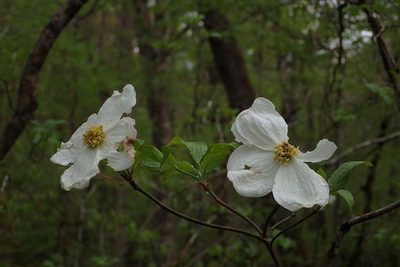
Flowering Dogwood
Cornus florida
- Part shade
- Average
- 15–25 ft
- Blooms Apr–May

Common Yarrow
Achillea millefolium
- Full sun
- Dry–average
- 1.5–3 ft
- Blooms May–Aug
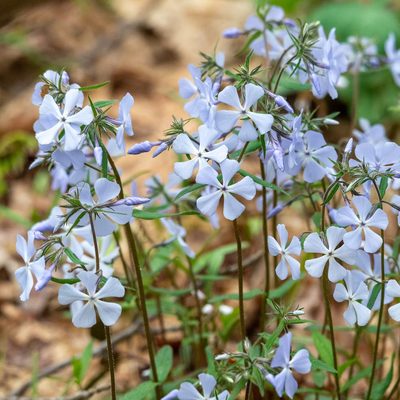
Woodland Phlox
Phlox divaricata
- Part shade
- Average
- 10–15 in
- Blooms Apr–May

Buttonbush
Cephalanthus occidentalis
- Full–part sun
- Average–wet
- 5–10 ft
- Blooms Jun–Aug
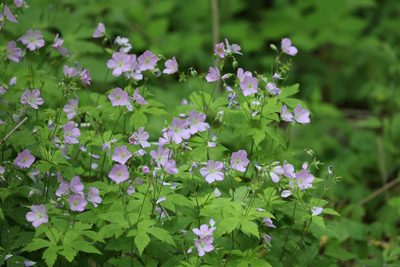
Wild Geranium
Geranium maculatum
- Part shade
- Average
- 1.5–2 ft
- Blooms Apr–Jun
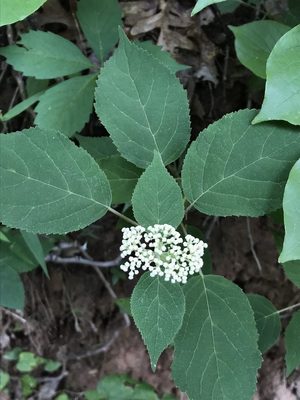
Smooth Hydrangea
Hydrangea arborescens
- Part shade
- Average
- 3–5 ft
- Blooms Jun–Aug
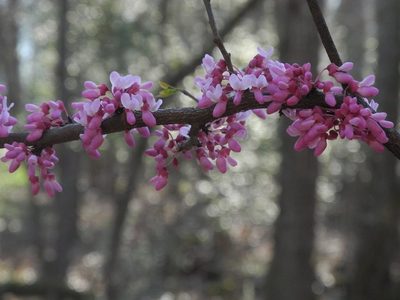
Eastern Redbud
Cercis canadensis
- Full–part sun
- Dry–average
- 20–30 ft
- Blooms Mar–Apr
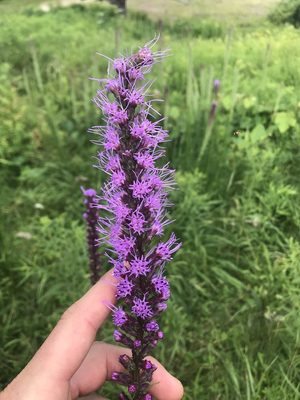
Dense Blazing Star
Liatris spicata
- Full sun
- Average–wet
- 2–4 ft
- Blooms Jul–Aug

Arrowwood Viburnum
Viburnum dentatum
- Sun to shade
- Average–wet
- 6–10 ft
- Blooms May–Jun

Wild Bergamot
Monarda fistulosa
- Full–part sun
- Dry–average
- 2–4 ft
- Blooms Jun–Aug
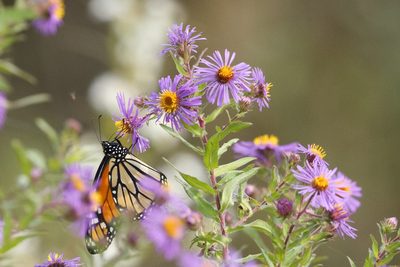
New England Aster
Symphyotrichum novae-angliae
- Full–part sun
- Average–wet
- 3–5 ft
- Blooms Sep–Oct
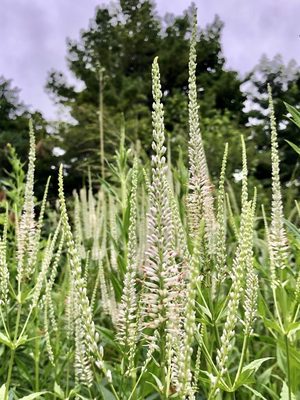
Culver's Root
Veronicastrum virginicum
- Full–part sun
- Average–wet
- 3–5 ft
- Blooms Jun–Aug
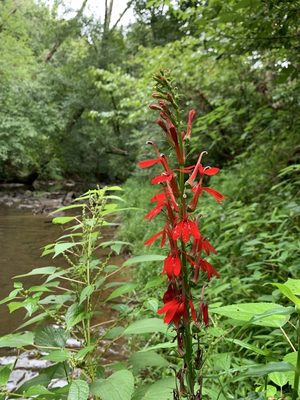
Cardinal Flower
Lobelia cardinalis
- Full–part sun
- Average–wet
- 2–4 ft
- Blooms Jul–Sep
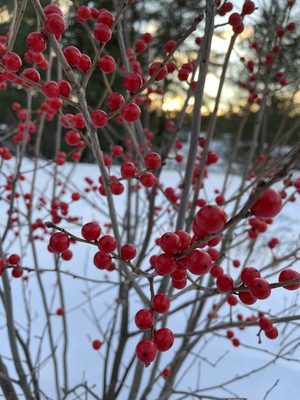
Winterberry
Ilex verticillata
- Full–part sun
- Average–wet
- 5–10 ft
- Blooms Jun–Jul
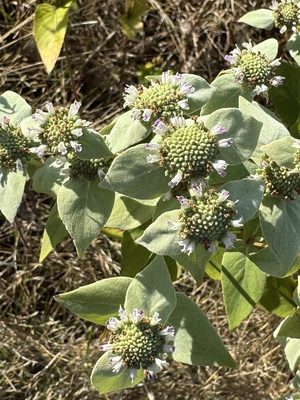
Short-Toothed Mountain Mint
Pycnanthemum muticum
- Full–part sun
- Dry–average
- 2–3 ft
- Blooms Jul–Sep
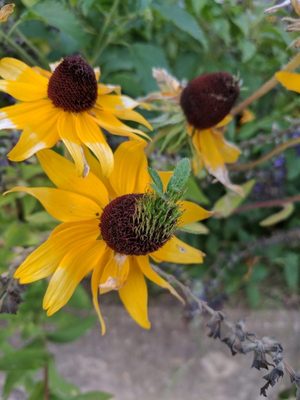
Black-Eyed Susan
Rudbeckia hirta
- Full–part sun
- Dry–average
- 1.5–3 ft
- Blooms Jun–Sep
All 63 natives for Washington, D.C..
Filter by what you want the planting to do. Every one of these is native to your region and hardy in zone 7.
| Plant | Light | Moisture | Bloom | Feeds |
|---|---|---|---|---|
| Flowering DogwoodCornus florida | Part shade | Average | Blooms Apr–May | |
| Common YarrowAchillea millefolium | Full sun | Dry–average | Blooms May–Aug | |
| Woodland PhloxPhlox divaricata | Part shade | Average | Blooms Apr–May | |
| ButtonbushCephalanthus occidentalis | Full–part sun | Average–wet | Blooms Jun–Aug | |
| CrossvineBignonia capreolata | Full–part sun | Dry–average | Blooms Apr–May | |
| Wild GeraniumGeranium maculatum | Part shade | Average | Blooms Apr–Jun | |
| American BeautyberryCallicarpa americana | Full–part sun | Dry–average | Blooms Jun–Jul | |
| Spotted Joe-Pye WeedEutrochium maculatum | Full–part sun | Average–wet | Blooms Jul–Sep | |
| Smooth HydrangeaHydrangea arborescens | Part shade | Average | Blooms Jun–Aug | |
| Eastern RedbudCercis canadensis | Full–part sun | Dry–average | Blooms Mar–Apr | |
| Dense Blazing StarLiatris spicata | Full sun | Average–wet | Blooms Jul–Aug | |
| Wild Bleeding HeartDicentra eximia | Part shade | Average | Blooms Apr–Aug | |
| FoamflowerTiarella cordifolia | Part shade | Average | Blooms Apr–May | |
| Arrowwood ViburnumViburnum dentatum | Sun to shade | Average–wet | Blooms May–Jun | |
| Wild BergamotMonarda fistulosa | Full–part sun | Dry–average | Blooms Jun–Aug | |
| Purple ConeflowerEchinacea purpurea | Full–part sun | Dry–average | Blooms Jun–Sep | |
| New England AsterSymphyotrichum novae-angliae | Full–part sun | Average–wet | Blooms Sep–Oct | |
| Culver's RootVeronicastrum virginicum | Full–part sun | Average–wet | Blooms Jun–Aug | |
| Scarlet BeebalmMonarda didyma | Full–part sun | Average–wet | Blooms Jul–Aug | |
| Cardinal FlowerLobelia cardinalis | Full–part sun | Average–wet | Blooms Jul–Sep | |
| WinterberryIlex verticillata | Full–part sun | Average–wet | Blooms Jun–Jul | |
| Short-Toothed Mountain MintPycnanthemum muticum | Full–part sun | Dry–average | Blooms Jul–Sep | |
| Black-Eyed SusanRudbeckia hirta | Full–part sun | Dry–average | Blooms Jun–Sep | |
| Wild ColumbineAquilegia canadensis | Part shade | Dry–average | Blooms Apr–Jun | |
| Oakleaf HydrangeaHydrangea quercifolia | Part shade | Average | Blooms May–Jul | |
| ServiceberryAmelanchier canadensis | Full–part sun | Average–wet | Blooms Apr–May | |
| Obedient PlantPhysostegia virginiana | Full–part sun | Average–wet | Blooms Aug–Sep | |
| Lanceleaf CoreopsisCoreopsis lanceolata | Full sun | Dry–average | Blooms May–Jul | |
| Butterfly WeedAsclepias tuberosa | Full sun | Dry | Blooms Jun–Aug | |
| Showy GoldenrodSolidago speciosa | Full–part sun | Dry–average | Blooms Sep–Oct | |
| Pink Muhly GrassMuhlenbergia capillaris | Full sun | Dry–average | Blooms Sep–Oct | |
| Aromatic AsterSymphyotrichum oblongifolium | Full sun | Dry | Blooms Sep–Nov | |
| Swamp MilkweedAsclepias incarnata | Full–part sun | Average–wet | Blooms Jul–Aug | |
| Great Blue LobeliaLobelia siphilitica | Full–part sun | Average–wet | Blooms Aug–Sep | |
| Trumpet HoneysuckleLonicera sempervirens | Full–part sun | Dry–average | Blooms Apr–Sep | |
| Golden AlexandersZizia aurea | Full–part sun | Average–wet | Blooms Apr–Jun | |
| Cup PlantSilphium perfoliatum | Full–part sun | Average–wet | Blooms Jul–Sep | |
| Virginia BluebellsMertensia virginica | Part shade | Average–wet | Blooms Mar–May | |
| Foxglove BeardtonguePenstemon digitalis | Full–part sun | Dry–average | Blooms May–Jun | |
| Red-Twig DogwoodCornus sericea | Full–part sun | Average–wet | Blooms May–Jun | |
| Rattlesnake MasterEryngium yuccifolium | Full sun | Dry–average | Blooms Jun–Aug | |
| Common BonesetEupatorium perfoliatum | Full–part sun | Average–wet | Blooms Aug–Sep | |
| Wild LupineLupinus perennis | Full–part sun | Dry | Blooms Apr–Jun | |
| Wild GingerAsarum canadense | Part shade | Average | Blooms Apr–May | |
| SpicebushLindera benzoin | Part shade | Average–wet | Blooms Mar–Apr | |
| New Jersey TeaCeanothus americanus | Full–part sun | Dry | Blooms May–Jul | |
| NinebarkPhysocarpus opulifolius | Full–part sun | Dry to wet | Blooms May–Jun | |
| Inkberry HollyIlex glabra | Full–part sun | Average–wet | Blooms May–Jun | |
| American ElderberrySambucus canadensis | Full–part sun | Average–wet | Blooms Jun–Jul | |
| Stiff GoldenrodSolidago rigida | Full sun | Dry–average | Blooms Aug–Oct | |
| Blue VervainVerbena hastata | Full–part sun | Average–wet | Blooms Jul–Sep | |
| Virginia CreeperParthenocissus quinquefolia | Sun to shade | Dry–average | Blooms Jun | |
| Fragrant SumacRhus aromatica | Full–part sun | Dry | Blooms Mar–Apr | |
| Common MilkweedAsclepias syriaca | Full–part sun | Dry–average | Blooms Jun–Jul | |
| Creeping PhloxPhlox subulata | Full–part sun | Dry–average | Blooms Apr–May | |
| Little BluestemSchizachyrium scoparium | Full sun | Dry–average | Fall color | |
| Big BluestemAndropogon gerardii | Full sun | Dry to wet | Fall color | |
| SwitchgrassPanicum virgatum | Full–part sun | Dry to wet | Fall color | |
| Prairie DropseedSporobolus heterolepis | Full sun | Dry–average | Fall color | |
| Indian GrassSorghastrum nutans | Full sun | Dry–average | Fall color | |
| Christmas FernPolystichum acrostichoides | Part shade | Dry–average | Evergreen | |
| Cinnamon FernOsmundastrum cinnamomeum | Part shade | Average–wet | Foliage | |
| Pennsylvania SedgeCarex pensylvanica | Part shade | Dry–average | Foliage |
No plants in this state match that goal.
What is blooming in Washington, D.C. in October.
5 of the 63 species native to Washington, D.C. flower in October. Every one of them wants full sun. It is a purple, pink, blue month here.
New England Aster
Symphyotrichum novae-angliae
- Full–part sun
- Average–wet
- 3–5 ft
- Blooms Sep–Oct
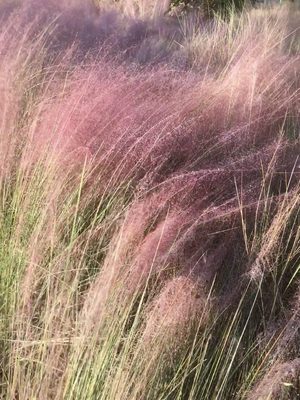
Pink Muhly Grass
Muhlenbergia capillaris
- Full sun
- Dry–average
- 2–3 ft
- Blooms Sep–Oct
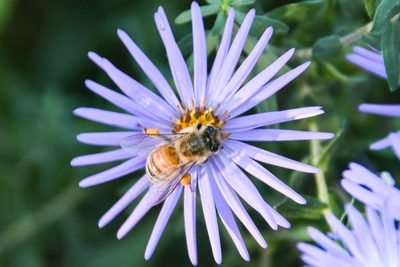
Aromatic Aster
Symphyotrichum oblongifolium
- Full sun
- Dry
- 1.5–2.5 ft
- Blooms Sep–Nov
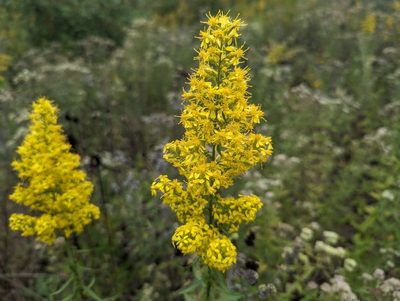
Showy Goldenrod
Solidago speciosa
- Full–part sun
- Dry–average
- 2–4 ft
- Blooms Sep–Oct
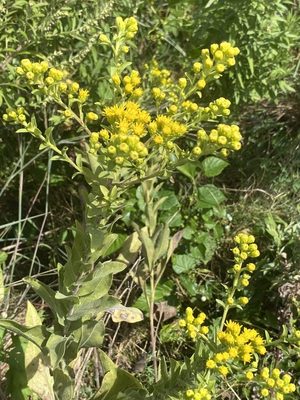
Stiff Goldenrod
Solidago rigida
- Full sun
- Dry–average
- 3–5 ft
- Blooms Aug–Oct
The jobs a native planting asks for in October, by hardiness band: what to do in the garden this month.
The same goals, across every state.
The filters above narrow this page. These open the subject properly, nationwide.
Pollinators
53 native species in Washington, D.C.
For bees
50 native species in Washington, D.C.
Butterflies
46 native species in Washington, D.C.
Hummingbirds
14 native species in Washington, D.C.
For birds
29 native species in Washington, D.C.
Deer-resistant
39 native species in Washington, D.C.
Full sun
49 native species in Washington, D.C.
For shade
16 native species in Washington, D.C.
Drought-tolerant
28 native species in Washington, D.C.
Clay soil
45 native species in Washington, D.C.
Rain garden
26 native species in Washington, D.C.
Groundcovers
11 native species in Washington, D.C.
Flowering shrubs
14 native species in Washington, D.C.
Grasses
7 native species in Washington, D.C.
Low-maintenance
32 native species in Washington, D.C.
Evergreen
5 native species in Washington, D.C.
Fall color
15 native species in Washington, D.C.
Fragrant
10 native species in Washington, D.C.
Gardening in Washington, D.C.what grows where, and why
Washington sits where the Piedmont drops to the Atlantic Coastal Plain, and the boundary runs through the city itself. Rock Creek and the northwest neighborhoods are on Piedmont ground: rockier, with clay soils and steeper terrain. Southeast and along the Anacostia, the coastal plain begins, sandier and flatter.
The fall line is why the city is where it is, since it marks the head of navigation on the Potomac, and it is also why two gardens a few miles apart can have quite different soil.
Urban conditions are the real constraint
For most gardeners here the limiting factors are not regional at all. They are compacted soil, restricted root space, reflected heat from pavement and buildings, shade cast by structures rather than trees, and rainfall that runs off hard surfaces instead of soaking in.
The urban heat island raises winter minimums noticeably above the surrounding counties, which widens the plant list at the warm end. It also intensifies summer, and a small city garden surrounded by brick can be brutally hot in July.
Tough, adaptable natives handle this best. Little bluestem, switchgrass, wild bergamot, black-eyed Susan, and the asters and goldenrods tolerate compacted, hot, dry ground. For shade between buildings, wild ginger, sedges, foamflower, and the woodland ferns do well.
Stormwater is a civic issue here
The District's combined sewer system means heavy rain can send untreated overflow into the Anacostia and Potomac, and the city actively encourages plantings that capture runoff. A rain garden in a low corner, planted with species that tolerate alternating flooding and drought, does real work.
Wet-tolerant natives for those spots include cardinal flower, blue flag, swamp milkweed, joe-pye weed, and the soft rushes and sedges.
Timing and small-space choices
Fall planting is the better window, with a long mild autumn giving roots months before summer arrives.
In small gardens, choose clump-forming species over spreaders. Common milkweed and Canada goldenrod are excellent plants in a meadow and a nuisance in a twelve foot bed; swamp milkweed and showy goldenrod give the same wildlife value while staying put.
Confirming what is native to your area
The Maryland Native Plant Society and Virginia Native Plant Society both cover the immediate region, and their guidance applies across the District line. The U.S. Botanic Garden and the Smithsonian Gardens maintain native plantings in the city worth visiting to see mature specimens. Casey Trees publishes guidance specific to planting in Washington's conditions.
Sources: U.S. Fish and Wildlife Service, Chesapeake Bay Field Office (native plants for the Chesapeake watershed); District Department of Energy and Environment (stormwater and landscaping guidance); USDA PLANTS Database (native status by state).
Where to buy Washington, D.C. natives
Some links here are affiliate links and we may earn a small commission at no extra cost to you.
What a first-year Washington, D.C. planting needs, from a pH kit to mulch.
Put these plants in one real bed.
Draw a bed to scale, answer ten questions you can see from a window, and get a real answer for Washington, D.C.: whether the space works, roughly what the plants would cost, and which natives suit your light and drainage. Free, and nothing to sign up for.