Native Plants for Kansas
The Flint Hills hold the largest remaining stretch of tallgrass prairie on the continent, protected by rock too shallow to plow, and Kansas dries out steadily from there westward.
Regions: the Great Plains
Ecoregion: Flint Hills & mixedgrass prairie
52 native species for Kansas, with the light, moisture and bloom time for each, and what every one of them feeds.
Plants to know in Kansas.
A cross-section of the 52 species native to your region, the workhorses worth starting with.
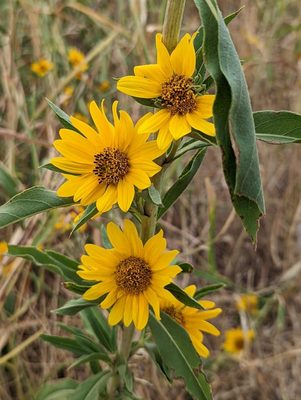
Maximilian Sunflower
Helianthus maximiliani
- Full sun
- Dry–average
- 5–8 ft
- Blooms Aug–Oct
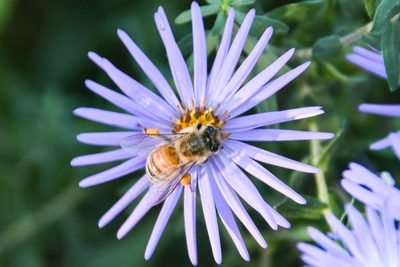
Aromatic Aster
Symphyotrichum oblongifolium
- Full sun
- Dry
- 1.5–2.5 ft
- Blooms Sep–Nov
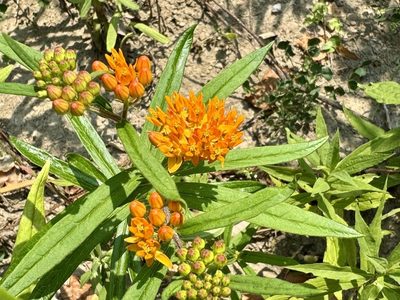
Butterfly Weed
Asclepias tuberosa
- Full sun
- Dry
- 1.5–2.5 ft
- Blooms Jun–Aug
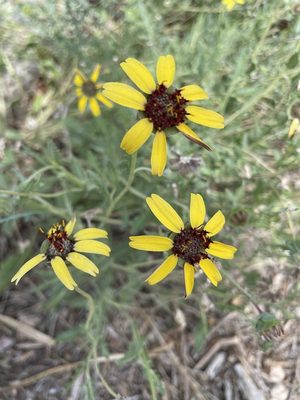
Chocolate Flower
Berlandiera lyrata
- Full sun
- Dry
- 1–2 ft
- Blooms May–Sep
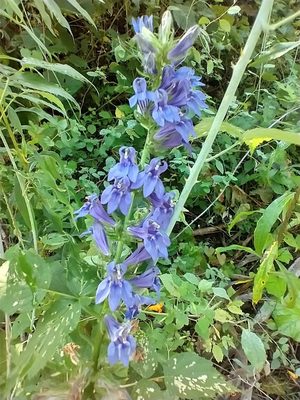
Great Blue Lobelia
Lobelia siphilitica
- Full–part sun
- Average–wet
- 2–3 ft
- Blooms Aug–Sep
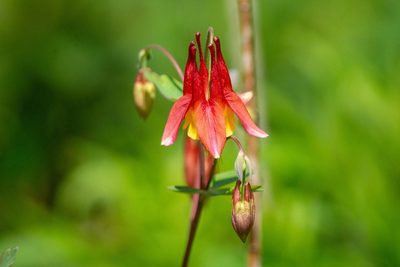
Wild Columbine
Aquilegia canadensis
- Part shade
- Dry–average
- 1–2.5 ft
- Blooms Apr–Jun
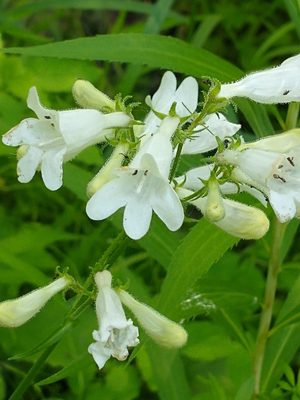
Foxglove Beardtongue
Penstemon digitalis
- Full–part sun
- Dry–average
- 2–4 ft
- Blooms May–Jun
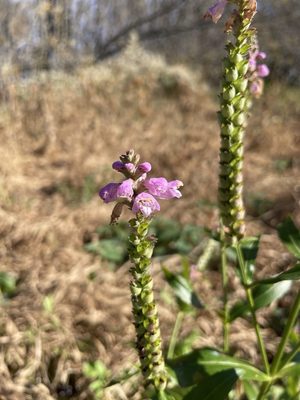
Obedient Plant
Physostegia virginiana
- Full–part sun
- Average–wet
- 2–4 ft
- Blooms Aug–Sep
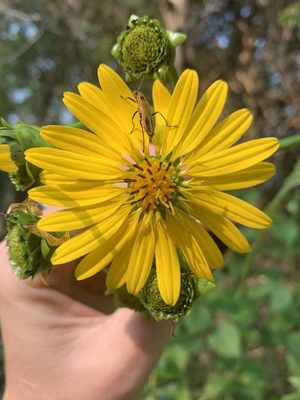
Cup Plant
Silphium perfoliatum
- Full–part sun
- Average–wet
- 5–8 ft
- Blooms Jul–Sep
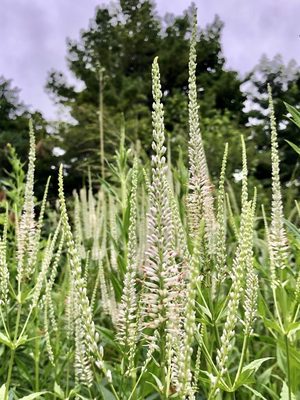
Culver's Root
Veronicastrum virginicum
- Full–part sun
- Average–wet
- 3–5 ft
- Blooms Jun–Aug

Buttonbush
Cephalanthus occidentalis
- Full–part sun
- Average–wet
- 5–10 ft
- Blooms Jun–Aug

Wild Bergamot
Monarda fistulosa
- Full–part sun
- Dry–average
- 2–4 ft
- Blooms Jun–Aug

Common Yarrow
Achillea millefolium
- Full sun
- Dry–average
- 1.5–3 ft
- Blooms May–Aug
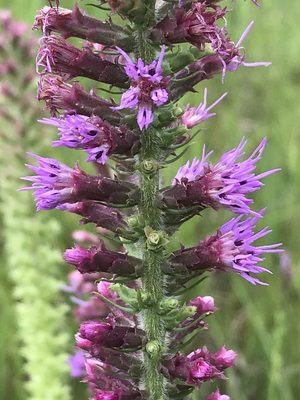
Prairie Blazing Star
Liatris pycnostachya
- Full sun
- Dry–average
- 3–5 ft
- Blooms Jul–Aug
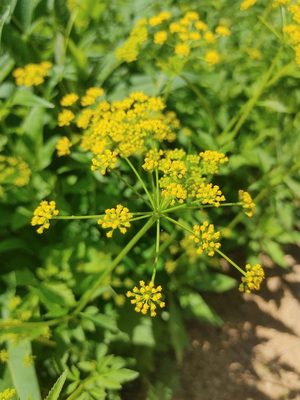
Golden Alexanders
Zizia aurea
- Full–part sun
- Average–wet
- 1.5–2.5 ft
- Blooms Apr–Jun
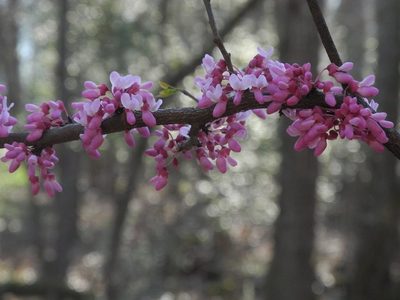
Eastern Redbud
Cercis canadensis
- Full–part sun
- Dry–average
- 20–30 ft
- Blooms Mar–Apr
All 52 natives for Kansas.
Filter by what you want the planting to do. Every one of these is native to your region and hardy in zones 5–7.
| Plant | Light | Moisture | Bloom | Feeds |
|---|---|---|---|---|
| Maximilian SunflowerHelianthus maximiliani | Full sun | Dry–average | Blooms Aug–Oct | |
| Aromatic AsterSymphyotrichum oblongifolium | Full sun | Dry | Blooms Sep–Nov | |
| Butterfly WeedAsclepias tuberosa | Full sun | Dry | Blooms Jun–Aug | |
| Chocolate FlowerBerlandiera lyrata | Full sun | Dry | Blooms May–Sep | |
| Great Blue LobeliaLobelia siphilitica | Full–part sun | Average–wet | Blooms Aug–Sep | |
| Wild ColumbineAquilegia canadensis | Part shade | Dry–average | Blooms Apr–Jun | |
| Foxglove BeardtonguePenstemon digitalis | Full–part sun | Dry–average | Blooms May–Jun | |
| Prairie SmokeGeum triflorum | Full–part sun | Dry | Blooms Apr–May | |
| Obedient PlantPhysostegia virginiana | Full–part sun | Average–wet | Blooms Aug–Sep | |
| Spotted Joe-Pye WeedEutrochium maculatum | Full–part sun | Average–wet | Blooms Jul–Sep | |
| BlanketflowerGaillardia aristata | Full sun | Dry | Blooms Jun–Sep | |
| Cup PlantSilphium perfoliatum | Full–part sun | Average–wet | Blooms Jul–Sep | |
| Saskatoon ServiceberryAmelanchier alnifolia | Full–part sun | Dry–average | Blooms Apr–May | |
| ServiceberryAmelanchier canadensis | Full–part sun | Average–wet | Blooms Apr–May | |
| Culver's RootVeronicastrum virginicum | Full–part sun | Average–wet | Blooms Jun–Aug | |
| ButtonbushCephalanthus occidentalis | Full–part sun | Average–wet | Blooms Jun–Aug | |
| Wild BergamotMonarda fistulosa | Full–part sun | Dry–average | Blooms Jun–Aug | |
| Common YarrowAchillea millefolium | Full sun | Dry–average | Blooms May–Aug | |
| Prairie Blazing StarLiatris pycnostachya | Full sun | Dry–average | Blooms Jul–Aug | |
| Lanceleaf CoreopsisCoreopsis lanceolata | Full sun | Dry–average | Blooms May–Jul | |
| Golden AlexandersZizia aurea | Full–part sun | Average–wet | Blooms Apr–Jun | |
| Eastern RedbudCercis canadensis | Full–part sun | Dry–average | Blooms Mar–Apr | |
| Anise HyssopAgastache foeniculum | Full–part sun | Dry–average | Blooms Jun–Sep | |
| Showy GoldenrodSolidago speciosa | Full–part sun | Dry–average | Blooms Sep–Oct | |
| Black-Eyed SusanRudbeckia hirta | Full–part sun | Dry–average | Blooms Jun–Sep | |
| Dense Blazing StarLiatris spicata | Full sun | Average–wet | Blooms Jul–Aug | |
| Purple ConeflowerEchinacea purpurea | Full–part sun | Dry–average | Blooms Jun–Sep | |
| Pasque FlowerPulsatilla patens | Full sun | Dry | Blooms Mar–Apr | |
| New England AsterSymphyotrichum novae-angliae | Full–part sun | Average–wet | Blooms Sep–Oct | |
| Swamp MilkweedAsclepias incarnata | Full–part sun | Average–wet | Blooms Jul–Aug | |
| Blue VervainVerbena hastata | Full–part sun | Average–wet | Blooms Jul–Sep | |
| Fragrant SumacRhus aromatica | Full–part sun | Dry | Blooms Mar–Apr | |
| New Jersey TeaCeanothus americanus | Full–part sun | Dry | Blooms May–Jul | |
| American ElderberrySambucus canadensis | Full–part sun | Average–wet | Blooms Jun–Jul | |
| Red-Twig DogwoodCornus sericea | Full–part sun | Average–wet | Blooms May–Jun | |
| Virginia CreeperParthenocissus quinquefolia | Sun to shade | Dry–average | Blooms Jun | |
| Compass PlantSilphium laciniatum | Full sun | Dry–average | Blooms Jul–Aug | |
| Stiff GoldenrodSolidago rigida | Full sun | Dry–average | Blooms Aug–Oct | |
| Common BonesetEupatorium perfoliatum | Full–part sun | Average–wet | Blooms Aug–Sep | |
| Rattlesnake MasterEryngium yuccifolium | Full sun | Dry–average | Blooms Jun–Aug | |
| Sideoats GramaBouteloua curtipendula | Full sun | Dry | Blooms Jun–Jul | |
| Purple Prairie CloverDalea purpurea | Full sun | Dry | Blooms Jun–Jul | |
| Blue GramaBouteloua gracilis | Full sun | Dry | Blooms Jun–Aug | |
| Golden CurrantRibes aureum | Full–part sun | Dry–average | Blooms Apr–May | |
| NinebarkPhysocarpus opulifolius | Full–part sun | Dry to wet | Blooms May–Jun | |
| Common MilkweedAsclepias syriaca | Full–part sun | Dry–average | Blooms Jun–Jul | |
| Showy MilkweedAsclepias speciosa | Full sun | Dry–average | Blooms Jun–Jul | |
| Big BluestemAndropogon gerardii | Full sun | Dry to wet | Fall color | |
| Indian GrassSorghastrum nutans | Full sun | Dry–average | Fall color | |
| SwitchgrassPanicum virgatum | Full–part sun | Dry to wet | Fall color | |
| Prairie DropseedSporobolus heterolepis | Full sun | Dry–average | Fall color | |
| Little BluestemSchizachyrium scoparium | Full sun | Dry–average | Fall color |
No plants in this state match that goal.
What is blooming in Kansas in October.
5 of the 52 species native to Kansas flower in October. Every one of them wants full sun. It is a gold, blue, purple month here.
Maximilian Sunflower
Helianthus maximiliani
- Full sun
- Dry–average
- 5–8 ft
- Blooms Aug–Oct
Aromatic Aster
Symphyotrichum oblongifolium
- Full sun
- Dry
- 1.5–2.5 ft
- Blooms Sep–Nov
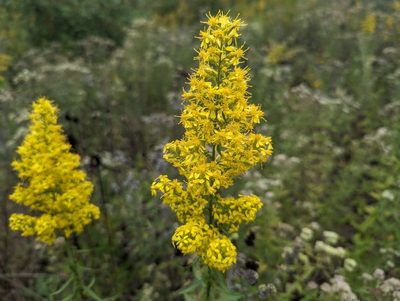
Showy Goldenrod
Solidago speciosa
- Full–part sun
- Dry–average
- 2–4 ft
- Blooms Sep–Oct
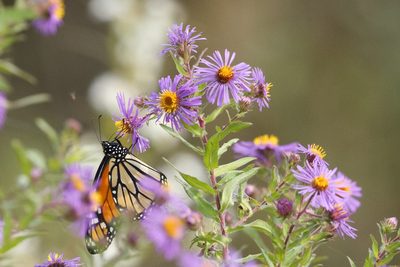
New England Aster
Symphyotrichum novae-angliae
- Full–part sun
- Average–wet
- 3–5 ft
- Blooms Sep–Oct
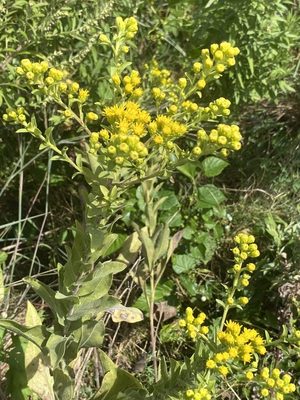
Stiff Goldenrod
Solidago rigida
- Full sun
- Dry–average
- 3–5 ft
- Blooms Aug–Oct
The jobs a native planting asks for in October, by hardiness band: what to do in the garden this month.
The same goals, across every state.
The filters above narrow this page. These open the subject properly, nationwide.
Pollinators
44 native species in Kansas
For bees
44 native species in Kansas
Butterflies
46 native species in Kansas
Hummingbirds
9 native species in Kansas
For birds
25 native species in Kansas
Deer-resistant
36 native species in Kansas
Full sun
51 native species in Kansas
Drought-tolerant
35 native species in Kansas
Clay soil
39 native species in Kansas
Rain garden
18 native species in Kansas
Groundcovers
6 native species in Kansas
Flowering shrubs
9 native species in Kansas
Grasses
7 native species in Kansas
Low-maintenance
28 native species in Kansas
Fall color
12 native species in Kansas
Fragrant
10 native species in Kansas
Gardening in Kansaswhat grows where, and why
Tallgrass prairie once ran from Indiana to central Kansas, and almost all of it was converted to cropland. The exception is the Flint Hills, a north-south band across eastern Kansas where limestone and chert lie close beneath the surface. Plows could not break it, so it stayed in grass, and it remains the largest intact tallgrass prairie anywhere.
That accident of geology is useful to gardeners: intact reference prairie is within reach for much of the state, and seeing which species grow together on which slopes teaches more than any plant list.
Wetter east, drier west
Kansas dries out from east to west with real consistency. The eastern edge receives roughly twice the annual precipitation of the western border, and the vegetation shifts accordingly: tallgrass prairie in the east, mixed-grass through the middle, shortgrass on the High Plains in the west.
Species follow that gradient. Big bluestem and Indiangrass belong in the east. Little bluestem and sideoats grama span the middle. Blue grama and buffalograss carry the west, where anything taller cannot get enough water.
Planting an eastern Kansas species list in Dodge City means irrigating forever. Match the plant to your rainfall, not to the state.
Wind, sun, and deep roots
Kansas is windy and sunny, and evaporation is high. The prairie response is roots: prairie plants put the majority of their biomass underground, often several feet down, and that is what carries them through drought and fire.
The consequence for gardeners is patience. A prairie planting spends its first two seasons building roots and can look sparse above ground while doing it. Judge it in year three.
Fall sowing suits most prairie species, which need cold moist stratification to germinate. Fall or early spring planting of live plants both work; water through the first season, then stop.
Clay, loess, and sand
Eastern Kansas soils are often heavy clay, which deep-rooted prairie species handle well. Loess covers parts of the north. The southwest has sand prairie, where the plant list narrows to genuine drought specialists including sand bluestem and sand sagebrush.
Confirming what is native to your county
The Kansas Native Plant Society runs field trips and maintains guidance, and the Kansas Biological Survey at the University of Kansas documents the state's flora. The Tallgrass Prairie National Preserve and Konza Prairie in the Flint Hills are both accessible reference sites.
Sources: Kansas Biological Survey and McBride Center, University of Kansas (state flora and vegetation); Kansas Native Plant Society (regional guidance); USDA PLANTS Database (native status by state).
Where to buy Kansas natives
Some links here are affiliate links and we may earn a small commission at no extra cost to you.
What a first-year Kansas planting needs, from a pH kit to mulch.
Put these plants in one real bed.
Draw a bed to scale, answer ten questions you can see from a window, and get a real answer for Kansas: whether the space works, roughly what the plants would cost, and which natives suit your light and drainage. Free, and nothing to sign up for.
The $7 Kansas Native Planting Workbook takes the whole state with you: the year month by month, every profiled species, and what Kansas has listed. About the workbook.