- Home
- Plant guide
- Common Yarrow

Eric Lamb (CC BY)
Common Yarrow
Achillea millefolium
A near-continental native with flat flower heads that feed tiny beneficial insects, tough as a weed.
Native to: the Northeast · the Mid-Atlantic · the Southeast · the Midwest · the Great Plains · the South-Central region · the Mountain West · the Great Basin · the desert Southwest · the Pacific Northwest · California
Growing Common Yarrow
Grows in almost any sunny, well-drained spot across the country. The ferny foliage shrugs off drought and makes a walkable, mowable groundcover.
Where it belongs
Common yarrow grows across essentially the entire United States, in prairie, on roadsides, in mountain meadows, on dunes, and in old fields. Very few plants on this site are native to all of the lower forty-eight; this one comes close.
There is a complication worth knowing. European yarrow was introduced long ago and has spread widely, and the two are difficult to distinguish and interbreed freely. Much of what grows along roadsides, and most of what is sold in garden centers as colorful cultivars, traces to European stock. If native provenance matters to you, buy from a regional native plant nursery and ask.
Growing it
Full sun, dry to medium soil, in sand, loam, rocky ground, or clay, zones 3 to 9. Eighteen inches to three feet.
Sun and drainage, and nothing else. It grows in poor soil, tolerates drought once established, and declines in rich moist ground, where it grows soft and flops.
It spreads by rhizome. In a lean site the spread is modest; in a watered fertile bed it can travel. Plant it where that is acceptable or pull the edges annually.
The finely divided foliage forms a low mat that tolerates being walked on and mown, which is why it appears in low-water lawn mixes and in unmowed strips between paving.
Cut the flowering stems back after bloom for a possible second flush, and divide clumps every few years if the center thins.
What it feeds
The flower head is a broad flat plate made of dozens of tiny florets, and the nectar sits shallow and exposed.
That architecture is what makes it valuable, because it feeds the insects that tubular flowers exclude entirely: minute native bees, hoverflies, parasitic wasps, soldier beetles, and lacewings. Many of those are beneficial predators whose larvae eat aphids and caterpillars, and giving the adults a nectar source keeps them in the garden.
Butterflies land on the flat heads to feed. Several specialist bees collect from it. Small birds take the seed.
Living with it
Deer avoid it. The foliage is strongly aromatic and bitter.
It has a long documented history of use for wound treatment, which is where the genus name comes from. That is history rather than a recommendation.
The plant can cause skin irritation in sensitive people after prolonged handling, and it is toxic to dogs, cats, and horses in quantity.
Leave the seed heads standing for winter structure and cut back in spring.
Sources: USDA PLANTS Database (native range and nomenclature); Lady Bird Johnson Wildflower Center, University of Texas at Austin (species profile); Xerces Society (beneficial insect habitat and flower architecture); ASPCA Animal Poison Control Center (toxicity to pets).
It’s deer-resistant, drought-tolerant, easy to grow, long-blooming, and a good cut flower.Where it grows
Common Yarrow is native to the Northeast. In the wild you’ll find it across Alabama · Arizona · Arkansas · California · Colorado · Connecticut · Delaware · Florida · Georgia · Idaho and 39 more states. Always confirm it suits your specific county with your state native plant society before planting.
Regional Garden has written state guides covering Common Yarrow in 49 of them so far.
Good for
Where to buy Common Yarrow
Some links here are affiliate links and we may earn a small commission at no extra cost to you.
What a first-year Common Yarrow planting needs, from a pH kit to mulch.
Companions & kin.
Natives that share Common Yarrow’s range and conditions.
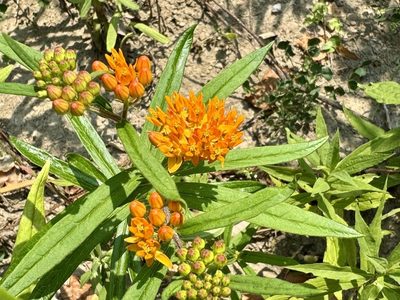
Butterfly Weed
Asclepias tuberosa
A monarch host plant and the brightest orange in the native palette, thriving in lean, dry soil.
- Full sun
- Dry
- 1.5–2.5 ft
- Blooms Jun–Aug
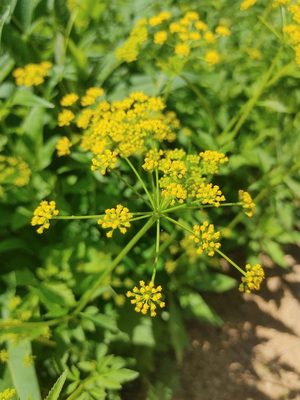
Golden Alexanders
Zizia aurea
Early flat gold heads that feed the first small bees and host the black swallowtail.
- Full–part sun
- Average–wet
- 1.5–2.5 ft
- Blooms Apr–Jun
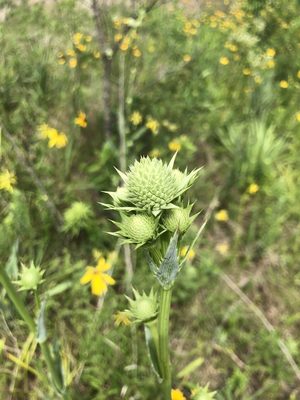
Rattlesnake Master
Eryngium yuccifolium
Architectural yucca-like leaves and golf-ball flower heads give the prairie its modern edge.
- Full sun
- Dry–average
- 3–5 ft
- Blooms Jun–Aug
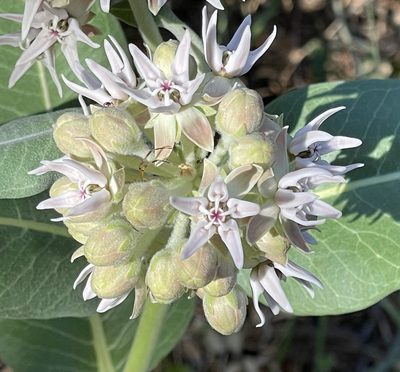
Showy Milkweed
Asclepias speciosa
The West's monarch milkweed, bolder, fuzzier, and more drought-hardy than its eastern cousins.
- Full sun
- Dry–average
- 2–4 ft
- Blooms Jun–Jul