Native Plants for Washington
The Cascades divide Washington into a rainforest west and a shrub-steppe east, and the contrast between them is among the sharpest anywhere in the country.
Regions: the Pacific Northwest · the Great Basin
Ecoregion: Puget lowland, Cascades & Columbia Plateau
29 native species for Washington, with the light, moisture and bloom time for each, and what every one of them feeds.
Plants to know in Washington.
A cross-section of the 29 species native to your region, the workhorses worth starting with.
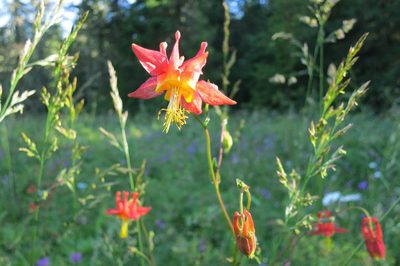
Western Columbine
Aquilegia formosa
- Part shade
- Average
- 1.5–3 ft
- Blooms Apr–Jul
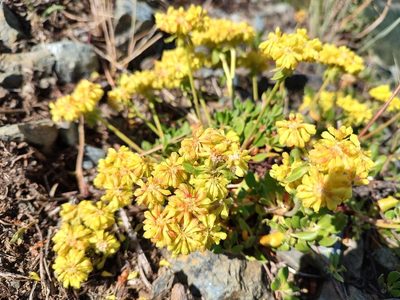
Sulphur-Flower Buckwheat
Eriogonum umbellatum
- Full sun
- Dry
- 6–18 in
- Blooms Jun–Aug
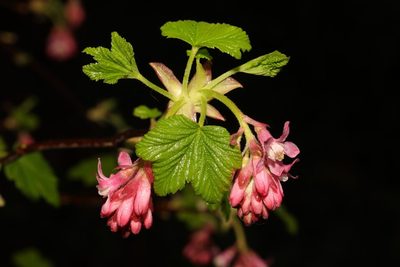
Red-Flowering Currant
Ribes sanguineum
- Full–part sun
- Dry–average
- 5–9 ft
- Blooms Mar–Apr

Common Yarrow
Achillea millefolium
- Full sun
- Dry–average
- 1.5–3 ft
- Blooms May–Aug

Prairie Smoke
Geum triflorum
- Full–part sun
- Dry
- 6–16 in
- Blooms Apr–May
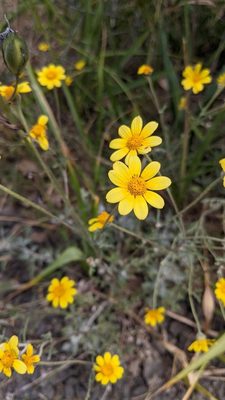
Oregon Sunshine
Eriophyllum lanatum
- Full sun
- Dry
- 0.7–2 ft
- Blooms May–Jul
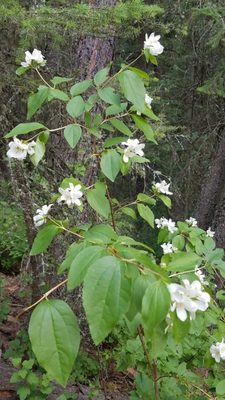
Lewis's Mock Orange
Philadelphus lewisii
- Full–part sun
- Dry–average
- 5–10 ft
- Blooms May–Jun
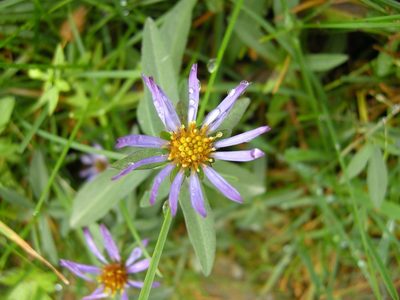
Douglas Aster
Symphyotrichum subspicatum
- Full–part sun
- Average–wet
- 2–4 ft
- Blooms Aug–Oct
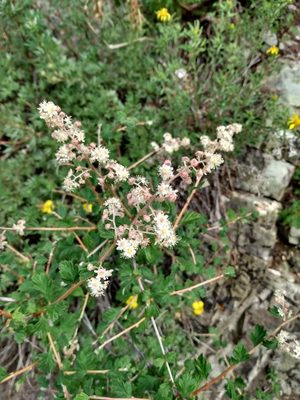
Oceanspray
Holodiscus discolor
- Sun to shade
- Dry–average
- 6–12 ft
- Blooms Jun–Jul
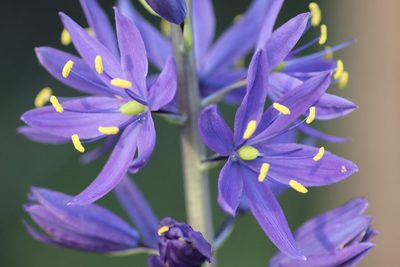
Common Camas
Camassia quamash
- Full–part sun
- Average–wet
- 1–2.5 ft
- Blooms Apr–May
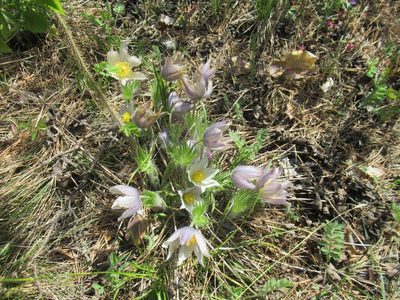
Pasque Flower
Pulsatilla patens
- Full sun
- Dry
- 6–12 in
- Blooms Mar–Apr
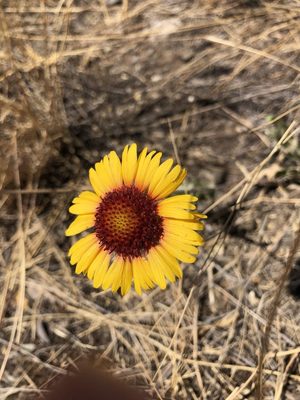
Blanketflower
Gaillardia aristata
- Full sun
- Dry
- 1–2.5 ft
- Blooms Jun–Sep

Saskatoon Serviceberry
Amelanchier alnifolia
- Full–part sun
- Dry–average
- 6–15 ft
- Blooms Apr–May

Golden Currant
Ribes aureum
- Full–part sun
- Dry–average
- 4–8 ft
- Blooms Apr–May
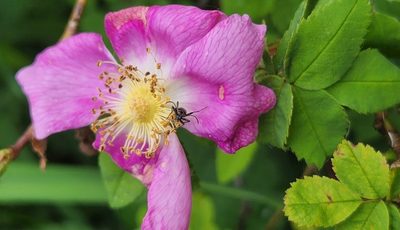
Nootka Rose
Rosa nutkana
- Full–part sun
- Average–wet
- 3–9 ft
- Blooms May–Jun
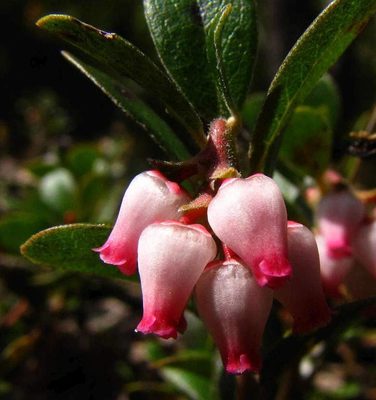
Bearberry
Arctostaphylos uva-ursi
- Full–part sun
- Dry
- 4–8 in
- Blooms Apr–May
All 29 natives for Washington.
Filter by what you want the planting to do. Every one of these is native to your region and hardy in zones 4–8.
| Plant | Light | Moisture | Bloom | Feeds |
|---|---|---|---|---|
| Western ColumbineAquilegia formosa | Part shade | Average | Blooms Apr–Jul | |
| California LilacCeanothus thyrsiflorus | Full sun | Dry | Blooms Mar–May | |
| Blue ElderberrySambucus cerulea | Full–part sun | Average–wet | Blooms Jun–Jul | |
| Sulphur-Flower BuckwheatEriogonum umbellatum | Full sun | Dry | Blooms Jun–Aug | |
| Red-Flowering CurrantRibes sanguineum | Full–part sun | Dry–average | Blooms Mar–Apr | |
| Common YarrowAchillea millefolium | Full sun | Dry–average | Blooms May–Aug | |
| Prairie SmokeGeum triflorum | Full–part sun | Dry | Blooms Apr–May | |
| Oregon SunshineEriophyllum lanatum | Full sun | Dry | Blooms May–Jul | |
| Lewis's Mock OrangePhiladelphus lewisii | Full–part sun | Dry–average | Blooms May–Jun | |
| Douglas AsterSymphyotrichum subspicatum | Full–part sun | Average–wet | Blooms Aug–Oct | |
| Apache PlumeFallugia paradoxa | Full sun | Dry | Blooms Apr–Sep | |
| OceansprayHolodiscus discolor | Sun to shade | Dry–average | Blooms Jun–Jul | |
| Common CamasCamassia quamash | Full–part sun | Average–wet | Blooms Apr–May | |
| Rocky Mountain PenstemonPenstemon strictus | Full sun | Dry | Blooms May–Jul | |
| Pasque FlowerPulsatilla patens | Full sun | Dry | Blooms Mar–Apr | |
| Firecracker PenstemonPenstemon eatonii | Full sun | Dry | Blooms Mar–May | |
| BlanketflowerGaillardia aristata | Full sun | Dry | Blooms Jun–Sep | |
| Saskatoon ServiceberryAmelanchier alnifolia | Full–part sun | Dry–average | Blooms Apr–May | |
| Golden CurrantRibes aureum | Full–part sun | Dry–average | Blooms Apr–May | |
| Nootka RoseRosa nutkana | Full–part sun | Average–wet | Blooms May–Jun | |
| Oregon GrapeBerberis aquifolium | Sun to shade | Dry–average | Blooms Mar–Apr | |
| Blue GramaBouteloua gracilis | Full sun | Dry | Blooms Jun–Aug | |
| BearberryArctostaphylos uva-ursi | Full–part sun | Dry | Blooms Apr–May | |
| Antelope BitterbrushPurshia tridentata | Full sun | Dry | Blooms Apr–Jun | |
| Showy MilkweedAsclepias speciosa | Full sun | Dry–average | Blooms Jun–Jul | |
| Hairy ManzanitaArctostaphylos columbiana | Full–part sun | Dry | Blooms Mar–May | |
| Common SnowberrySymphoricarpos albus | Sun to shade | Dry–average | Blooms Jun–Jul | |
| Red-Twig DogwoodCornus sericea | Full–part sun | Average–wet | Blooms May–Jun | |
| Idaho FescueFestuca idahoensis | Full–part sun | Dry | Evergreen |
No plants in this state match that goal.
What is blooming in Washington in October.
1 of the 29 species native to Washington flower in October. Every one of them wants full sun.
The jobs a native planting asks for in October, by hardiness band: what to do in the garden this month.
The same goals, across every state.
The filters above narrow this page. These open the subject properly, nationwide.
Pollinators
27 native species in Washington
For bees
27 native species in Washington
Butterflies
14 native species in Washington
Hummingbirds
9 native species in Washington
For birds
16 native species in Washington
Deer-resistant
23 native species in Washington
Full sun
28 native species in Washington
Drought-tolerant
24 native species in Washington
Clay soil
9 native species in Washington
Rain garden
5 native species in Washington
Flowering shrubs
15 native species in Washington
Low-maintenance
16 native species in Washington
Evergreen
8 native species in Washington
Fragrant
5 native species in Washington
Gardening in Washingtonwhat grows where, and why
Washington's Cascades create one of the most abrupt rain shadows in North America. West of the crest, moist Pacific air rises and drops enormous precipitation: the Olympic Peninsula includes temperate rainforest receiving among the highest rainfall totals in the contiguous states.
East of the crest, the same air arrives dry. The Columbia Basin is shrub-steppe, with sagebrush, bunchgrasses, and annual precipitation low enough to qualify as semi-arid. Parts of it receive under ten inches a year.
Two gardens a hundred miles apart, on either side of the mountains, share a state and essentially nothing else.
The dry summer applies on both sides
The one thing western and eastern Washington do share is a Mediterranean-leaning rainfall pattern: wet winters and a genuinely dry summer. Even in rainy Seattle, July and August are dry months, and gardeners regularly underestimate this because the annual total sounds so generous.
Native plants west of the mountains are adapted to that: they grow hard through the wet season and slow down in late summer. Species from summer-rainfall regions need irrigation here precisely when water is scarcest.
West side: acid soil and shade
Western Washington soils are generally acidic, and the forest flora suits them: salal, evergreen huckleberry, sword fern, Oregon grape, red-flowering currant, and vine maple. These are excellent garden plants and they handle the shade cast by conifers, which defeats most perennials.
Drainage varies widely, from gravelly glacial outwash on parts of the Puget lowland to heavy clay elsewhere. Read the site.
The Puget prairies, the remnant grasslands of the south Sound, are a rare and much-reduced habitat, and their species suit sunny, well-drained sites.
East side: steppe and sun
East of the Cascades the palette changes to shrub-steppe: big sagebrush, bitterbrush, bluebunch wheatgrass, Idaho fescue, lupines, balsamroot, and buckwheats. Soils are often alkaline, and summers are hot with cold winters.
These species want lean soil, full sun, and almost no summer water once established.
Timing
Fall planting suits both sides of the state, letting winter rain and snowmelt establish roots before the summer dry period. West of the mountains the autumn window is long; east of them, plant earlier in fall or in spring.
Water new plantings through their first summer, then reduce.
Confirming what is native to your county
The Washington Native Plant Society runs chapters on both sides of the Cascades, and the differences between their recommendations illustrate the split well. The Burke Museum at the University of Washington maintains the state's herbarium records and image collection, and Washington State University Extension publishes regional guidance.
Sources: Washington Native Plant Society (regional plant lists); Burke Museum, University of Washington (herbarium records and distribution); USDA PLANTS Database (native status by state).
Where to buy Washington natives
Some links here are affiliate links and we may earn a small commission at no extra cost to you.
What a first-year Washington planting needs, from a pH kit to mulch.
Put these plants in one real bed.
Draw a bed to scale, answer ten questions you can see from a window, and get a real answer for Washington: whether the space works, roughly what the plants would cost, and which natives suit your light and drainage. Free, and nothing to sign up for.