- Home
- Plant guide
- Western Columbine
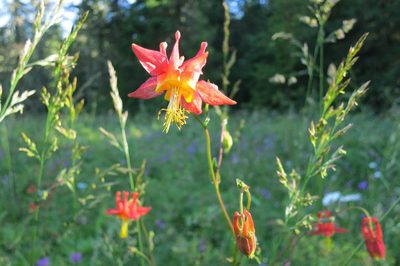
Ed Alverson (CC BY)
Western Columbine
Aquilegia formosa
The West's nodding red-and-gold columbine, the first big hummingbird draw of the mountain spring.
Native to: the Pacific Northwest · California · the Mountain West · the Great Basin
Growing Western Columbine
Happiest in dappled light with steady moisture along a stream or woodland edge. Reseeds gently to form drifting colonies.
Where it belongs
Western columbine grows through the Pacific Northwest, California, the Mountain West, and the Great Basin, in moist woods, along stream banks, in seeps, and in mountain meadows at the edge of shade.
It is the western counterpart to the eastern wild columbine, and the two look similar enough to confuse: both are nodding, both are red with yellow, both feed hummingbirds. The important difference is water. The eastern species is a plant of dry rocky ledges. This one wants steady moisture and dappled light, and it struggles in a dry exposed spot.
Growing it
Part sun to shade, medium moisture, in loam or rocky ground, zones 4 to 8. Eighteen inches to three feet.
Dappled light and soil that stays evenly moist without staying wet. A woodland edge, the north side of a shrub, or a spot along a stream or downspout suits it. In full sun it wilts and browns unless the ground stays consistently damp.
Individual plants are short-lived, often three or four years, and the colony continues from seed. Let some capsules ripen and shed, and keep patches of open soil where seedlings can germinate rather than mulching to the crown.
It hybridizes readily with other columbines, including garden hybrids and the Rocky Mountain blue columbine. If you want the species to stay itself, do not plant hybrids nearby.
The blue-green foliage stays attractive after bloom, so the plant holds its place through the season.
What it feeds
The flower hangs upside down with five long red spurs holding nectar at the tips, and reaching it requires a long bill or a long tongue.
Hummingbirds are the primary pollinators, and the bloom period lines up with rufous, calliope, and broad-tailed hummingbirds moving through and breeding in the mountain West. In many places it is among the first substantial nectar sources available to them.
Hawk moths visit at dusk. Long-tongued bumblebees reach the nectar; shorter tongued bees often chew through the spur to steal it.
Living with it
Deer generally leave it alone, though in high-pressure areas they will browse the flowering stems.
Columbine leaf miners tunnel pale lines through the foliage most summers. The damage is cosmetic. Remove affected leaves in midsummer if it bothers you and fresh growth follows.
Leave it standing through fall so the seed can shed. There is no other maintenance.
Sources: USDA PLANTS Database (native range); Lady Bird Johnson Wildflower Center, University of Texas at Austin (species profile); Cornell Lab of Ornithology (western hummingbird species and spring nectar sources).
It’s deer-resistant, and showy.Where it grows
Western Columbine is native to the Pacific Northwest. In the wild you’ll find it across Arizona · California · Colorado · Idaho · Montana · Nevada · New Mexico · Oregon · Utah · Washington and 1 more states. Always confirm it suits your specific county with your state native plant society before planting.
Regional Garden has written state guides covering Western Columbine in 11 of them so far.
Good for
Where to buy Western Columbine
Some links here are affiliate links and we may earn a small commission at no extra cost to you.
What a first-year Western Columbine planting needs, from a pH kit to mulch.
Companions & kin.
Natives that share Western Columbine’s range and conditions.
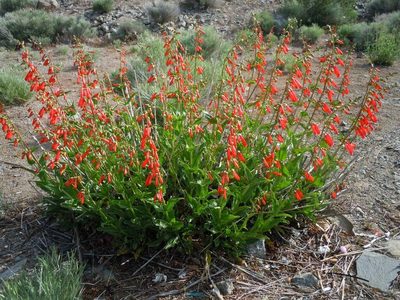
Firecracker Penstemon
Penstemon eatonii
Scarlet tubular flowers timed to the spring hummingbird migration through the desert Southwest.
- Full sun
- Dry
- 1.5–3 ft
- Blooms Mar–May

Golden Currant
Ribes aureum
Yellow spring flowers that smell of cloves, black fruit birds strip in a week, and red foliage in the fall.
- Full–part sun
- Dry–average
- 4–8 ft
- Blooms Apr–May
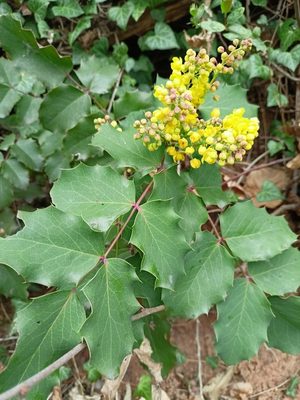
Oregon Grape
Berberis aquifolium
Holly-like evergreen leaves, fragrant yellow spring flowers, and blue berries. It is Oregon's state flower.
- Sun to shade
- Dry–average
- 3–6 ft
- Blooms Mar–Apr

Prairie Smoke
Geum triflorum
Nodding pink spring bells that turn into smoky, feathered seed plumes, the show after the flower.
- Full–part sun
- Dry
- 6–16 in
- Blooms Apr–May