The native plants made for where you live.
Find the native plants that belong in your yard, sorted by your state, your sun and soil, and the pollinators, birds, and butterflies you want to bring home. Real species, real growing conditions, no guesswork.
From bare ground to buzzing in three steps.
Native plants ask less of you and give more back: less water, no fertilizer, and a yard full of bees, butterflies, and birds. The hard part is just knowing what belongs. That part we’ve done.
Start with your state
Pick where you garden. Every plant we show you is genuinely native to your region and hardy in your zone.
Filter by what you want
Pollinators, shade, clay soil, deer resistance: pick the collection that fits your conditions.
Plant with confidence
Real species, real growing conditions, and honest places to buy them. No guesswork, no invasives.
Draw your bed. Watch it worked out.
Draw one garden bed to scale, answer ten questions you can see from a window, and get a real answer: whether the space works, roughly what the plants would cost, and which natives suit the light, the drainage and your state. Free, in the browser, nothing to sign up for.
The Native Planting Workbook takes the whole state home with you, in 39 state editions so far, and it opens with the bed you drew.
What do you want your garden to do?
Each collection covers its subject once, across the whole range it applies to. Which of these plants belong in your yard depends on where you garden, and that is what the state guides are for.
Pollinators
Native plants that turn a yard into a season-long…
For bees
The native flowers that feed honey bees, bumblebees…
Butterflies
Nectar and host plants that bring butterflies to your…
Hummingbirds
Tubular, nectar-heavy native flowers that draw…
For birds
Seed, berry, and cover plants that feed songbirds…
Deer-resistant
Native plants deer tend to walk past: the aromatic…
Full sun
Sun-loving native wildflowers, grasses, and shrubs…
For shade
Woodland wildflowers, ferns, and groundcovers that…
Plants worth knowing.
A taste of the guide: keystone species that pull their weight in almost any garden across their range.
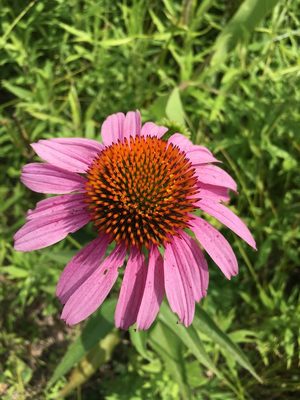
Purple Coneflower
Echinacea purpurea
The garden workhorse: months of nectar for bees and butterflies, then seed heads goldfinches strip all winter.
- Full–part sun
- Dry–average
- 2–4 ft
- Blooms Jun–Sep

Wild Bergamot
Monarda fistulosa
Ragged lavender crowns that hum with bees, hummingbirds, and clearwing moths; foliage smells of oregano.
- Full–part sun
- Dry–average
- 2–4 ft
- Blooms Jun–Aug
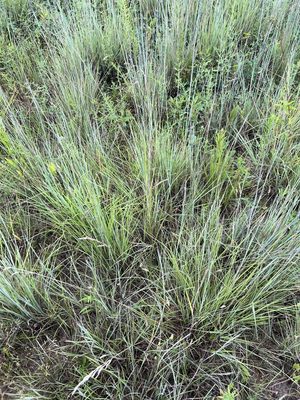
Little Bluestem
Schizachyrium scoparium
The backbone grass of the prairie: blue-green in summer, glowing copper and silver all winter.
- Full sun
- Dry–average
- 2–4 ft
- Fall color
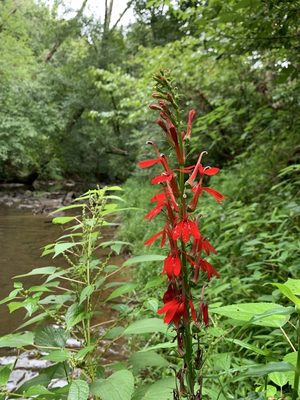
Cardinal Flower
Lobelia cardinalis
The most intense red in the native flora, built for the hummingbirds that pollinate it.
- Full–part sun
- Average–wet
- 2–4 ft
- Blooms Jul–Sep
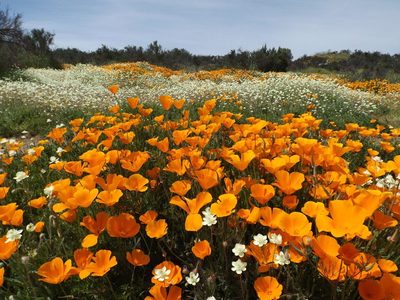
California Poppy
Eschscholzia californica
The silken orange state flower of California, painting dry hillsides every spring.
- Full sun
- Dry
- 8–18 in
- Blooms Mar–Jun
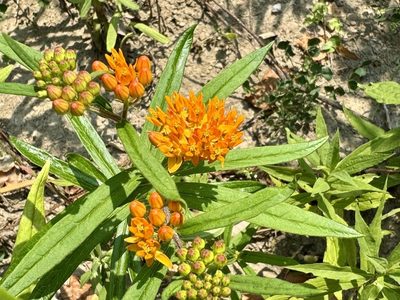
Butterfly Weed
Asclepias tuberosa
A monarch host plant and the brightest orange in the native palette, thriving in lean, dry soil.
- Full sun
- Dry
- 1.5–2.5 ft
- Blooms Jun–Aug
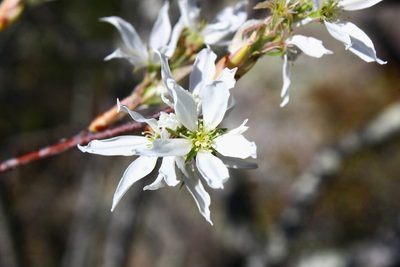
Serviceberry
Amelanchier canadensis
A small four-season tree: white spring flowers, June berries for the birds, and fiery fall color.
- Full–part sun
- Average–wet
- 15–25 ft
- Blooms Apr–May
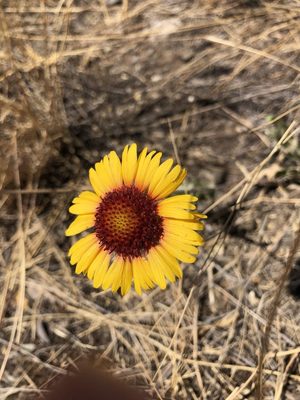
Blanketflower
Gaillardia aristata
Fiery red-and-gold wheels that bloom nonstop all summer on hot, dry, sandy ground.
- Full sun
- Dry
- 1–2.5 ft
- Blooms Jun–Sep