- Home
- Plant guide
- Blanketflower
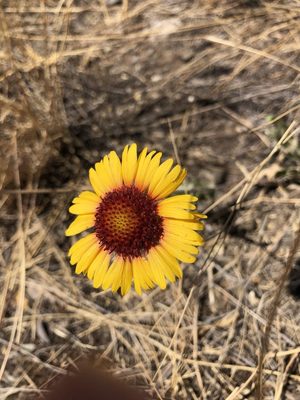
Will McFarland (CC BY)
Blanketflower
Gaillardia aristata
Fiery red-and-gold wheels that bloom nonstop all summer on hot, dry, sandy ground.
Native to: the Great Plains · the Mountain West · the Great Basin · the desert Southwest · the Pacific Northwest
Growing Blanketflower
One of the longest-blooming natives anywhere, asking only for sun and drainage. Short-lived but reseeds to keep the color coming.
Where it belongs
Blanketflower is native to the Plains, Mountain West, Great Basin, Southwest, and inland Pacific Northwest, growing on dry prairie, sagebrush flats, gravel roadsides, and open mountain slopes.
It is one of the few natives that flowers essentially without interruption from early summer until frost. Most perennials give two or three weeks. This gives three or four months, which is why it appears in so many low-water plantings and roadside seed mixes.
Some nurseries sell a hybrid, Gaillardia grandiflora, a cross with an annual southeastern species. It is showier and even shorter-lived. If you want the native, look for the species name.
Growing it
Full sun, dry soil, in sand, loam, or rocky ground, zones 3 to 10. One to two and a half feet.
Drainage, sun, and neglect. In rich moist soil it grows soft, flops, and dies over its first winter, which is the standard complaint about it and is almost always a siting problem.
Its short life is not a flaw to correct. Individual plants persist two to four years and the planting continues from seed, so the way to keep it is to leave some open ground and let a few heads ripen rather than deadheading every one.
Deadheading the rest extends the bloom noticeably. A reasonable approach is to deadhead through July and August, then stop and let September's heads set seed.
It is easy from seed sown in fall or spring, and it often flowers in its first year.
What it feeds
The flat daisy face with a raised center is accessible to almost everything.
Native bees of many sizes work it, along with bumblebees, flower flies, and small beetles. Butterflies and skippers take nectar, and the long season means it feeds them from the early summer brood through the last generation before frost.
Goldfinches take the seed from the standing globes in fall.
Living with it
Deer generally avoid it, and it is drought tolerant to the point of thriving on rainfall alone across most of its range.
It cuts well and lasts in a vase, which is a legitimate reason to grow more than you strictly need.
Leave the last round of seed heads standing over winter. They are round and bristly and hold snow attractively. Cut back in early spring.
Sources: USDA PLANTS Database (native range and nomenclature); Lady Bird Johnson Wildflower Center, University of Texas at Austin (species profile and longevity); USDA Natural Resources Conservation Service (plant guide, seeding and roadside use).
It’s deer-resistant, drought-tolerant, long-blooming, showy, and a good cut flower.Where it grows
Blanketflower is native to the Great Plains. In the wild you’ll find it across Arizona · Arkansas · California · Colorado · Idaho · Illinois · Iowa · Kansas · Minnesota · Missouri and 12 more states. Always confirm it suits your specific county with your state native plant society before planting.
Regional Garden has written state guides covering Blanketflower in 22 of them so far.
Good for
Where to buy Blanketflower
Some links here are affiliate links and we may earn a small commission at no extra cost to you.
What a first-year Blanketflower planting needs, from a pH kit to mulch.
Companions & kin.
Natives that share Blanketflower’s range and conditions.

Common Yarrow
Achillea millefolium
A near-continental native with flat flower heads that feed tiny beneficial insects, tough as a weed.
- Full sun
- Dry–average
- 1.5–3 ft
- Blooms May–Aug

Golden Currant
Ribes aureum
Yellow spring flowers that smell of cloves, black fruit birds strip in a week, and red foliage in the fall.
- Full–part sun
- Dry–average
- 4–8 ft
- Blooms Apr–May
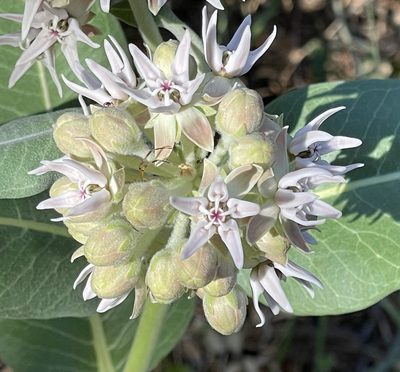
Showy Milkweed
Asclepias speciosa
The West's monarch milkweed, bolder, fuzzier, and more drought-hardy than its eastern cousins.
- Full sun
- Dry–average
- 2–4 ft
- Blooms Jun–Jul

Blue Elderberry
Sambucus cerulea
Fast, big, and covered in flat cream flower heads, then dusty blue fruit that draws every fruit-eating bird in the county.
- Full–part sun
- Average–wet
- 8–20 ft
- Blooms Jun–Jul