Native Plants for Illinois
The Prairie State kept the nickname and lost the prairie, which is exactly why planting one matters here.
Regions: the Midwest · the Great Plains
Ecoregion: Central Tallgrass Prairie
73 native species for Illinois, with the light, moisture and bloom time for each, and what every one of them feeds.
Plants to know in Illinois.
A cross-section of the 73 species native to your region, the workhorses worth starting with.
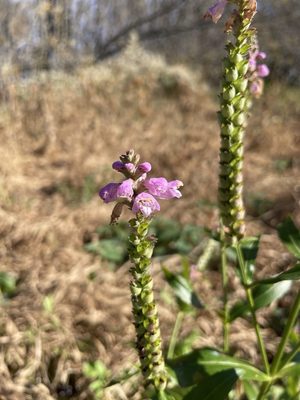
Obedient Plant
Physostegia virginiana
- Full–part sun
- Average–wet
- 2–4 ft
- Blooms Aug–Sep
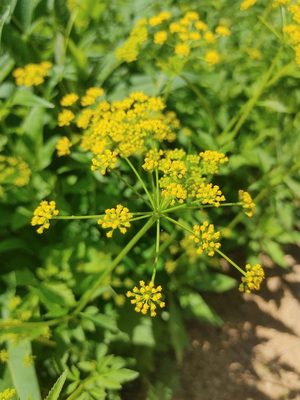
Golden Alexanders
Zizia aurea
- Full–part sun
- Average–wet
- 1.5–2.5 ft
- Blooms Apr–Jun
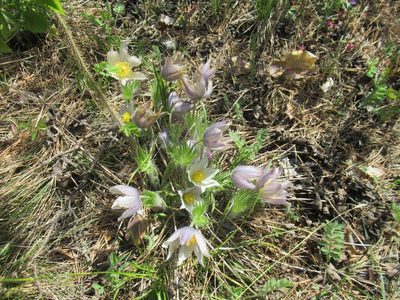
Pasque Flower
Pulsatilla patens
- Full sun
- Dry
- 6–12 in
- Blooms Mar–Apr
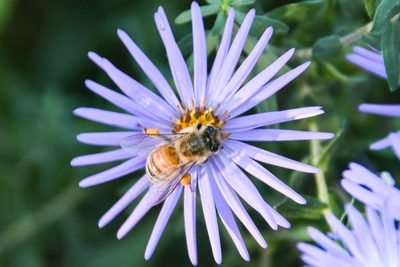
Aromatic Aster
Symphyotrichum oblongifolium
- Full sun
- Dry
- 1.5–2.5 ft
- Blooms Sep–Nov
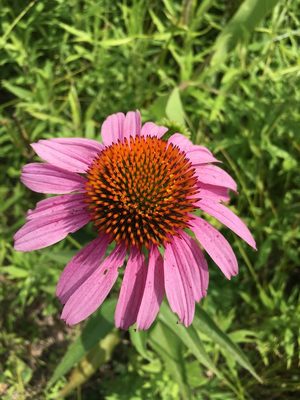
Purple Coneflower
Echinacea purpurea
- Full–part sun
- Dry–average
- 2–4 ft
- Blooms Jun–Sep

Wild Bergamot
Monarda fistulosa
- Full–part sun
- Dry–average
- 2–4 ft
- Blooms Jun–Aug
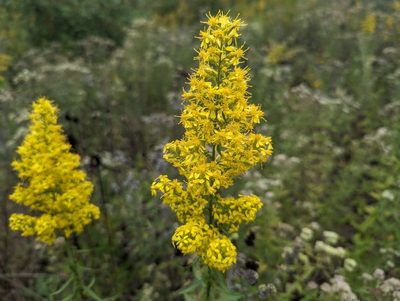
Showy Goldenrod
Solidago speciosa
- Full–part sun
- Dry–average
- 2–4 ft
- Blooms Sep–Oct
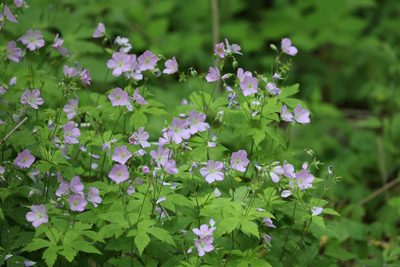
Wild Geranium
Geranium maculatum
- Part shade
- Average
- 1.5–2 ft
- Blooms Apr–Jun
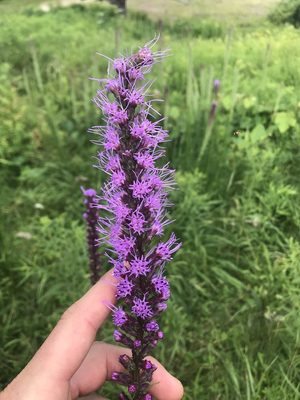
Dense Blazing Star
Liatris spicata
- Full sun
- Average–wet
- 2–4 ft
- Blooms Jul–Aug

Arrowwood Viburnum
Viburnum dentatum
- Sun to shade
- Average–wet
- 6–10 ft
- Blooms May–Jun
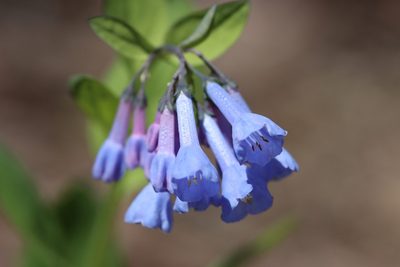
Virginia Bluebells
Mertensia virginica
- Part shade
- Average–wet
- 1–2 ft
- Blooms Mar–May
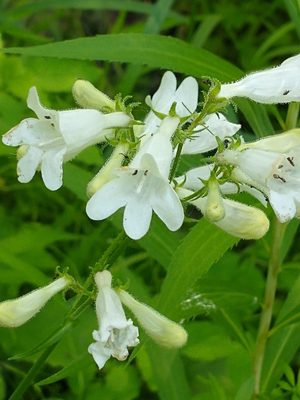
Foxglove Beardtongue
Penstemon digitalis
- Full–part sun
- Dry–average
- 2–4 ft
- Blooms May–Jun
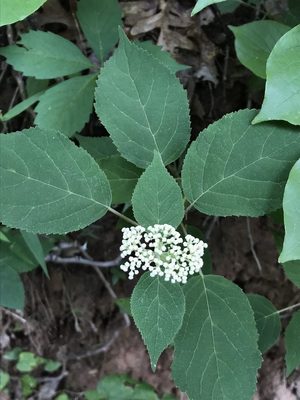
Smooth Hydrangea
Hydrangea arborescens
- Part shade
- Average
- 3–5 ft
- Blooms Jun–Aug
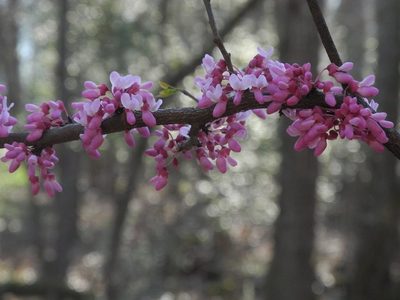
Eastern Redbud
Cercis canadensis
- Full–part sun
- Dry–average
- 20–30 ft
- Blooms Mar–Apr
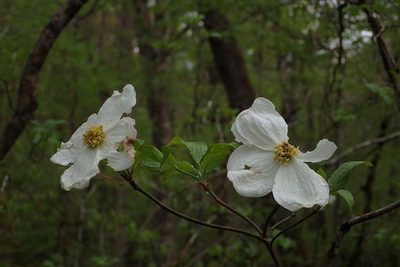
Flowering Dogwood
Cornus florida
- Part shade
- Average
- 15–25 ft
- Blooms Apr–May
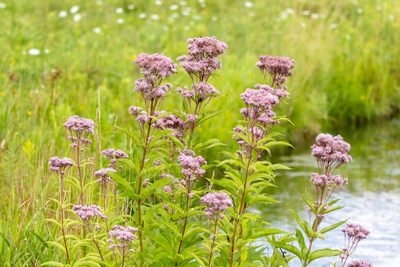
Spotted Joe-Pye Weed
Eutrochium maculatum
- Full–part sun
- Average–wet
- 4–7 ft
- Blooms Jul–Sep
All 73 natives for Illinois.
Filter by what you want the planting to do. Every one of these is native to your region and hardy in zones 5–7.
| Plant | Light | Moisture | Bloom | Feeds |
|---|---|---|---|---|
| Obedient PlantPhysostegia virginiana | Full–part sun | Average–wet | Blooms Aug–Sep | |
| Golden AlexandersZizia aurea | Full–part sun | Average–wet | Blooms Apr–Jun | |
| Pasque FlowerPulsatilla patens | Full sun | Dry | Blooms Mar–Apr | |
| Aromatic AsterSymphyotrichum oblongifolium | Full sun | Dry | Blooms Sep–Nov | |
| Purple ConeflowerEchinacea purpurea | Full–part sun | Dry–average | Blooms Jun–Sep | |
| Wild BergamotMonarda fistulosa | Full–part sun | Dry–average | Blooms Jun–Aug | |
| Showy GoldenrodSolidago speciosa | Full–part sun | Dry–average | Blooms Sep–Oct | |
| Wild GeraniumGeranium maculatum | Part shade | Average | Blooms Apr–Jun | |
| Dense Blazing StarLiatris spicata | Full sun | Average–wet | Blooms Jul–Aug | |
| Arrowwood ViburnumViburnum dentatum | Sun to shade | Average–wet | Blooms May–Jun | |
| Virginia BluebellsMertensia virginica | Part shade | Average–wet | Blooms Mar–May | |
| Foxglove BeardtonguePenstemon digitalis | Full–part sun | Dry–average | Blooms May–Jun | |
| Smooth HydrangeaHydrangea arborescens | Part shade | Average | Blooms Jun–Aug | |
| Eastern RedbudCercis canadensis | Full–part sun | Dry–average | Blooms Mar–Apr | |
| Flowering DogwoodCornus florida | Part shade | Average | Blooms Apr–May | |
| Spotted Joe-Pye WeedEutrochium maculatum | Full–part sun | Average–wet | Blooms Jul–Sep | |
| Great Blue LobeliaLobelia siphilitica | Full–part sun | Average–wet | Blooms Aug–Sep | |
| FoamflowerTiarella cordifolia | Part shade | Average | Blooms Apr–May | |
| Swamp MilkweedAsclepias incarnata | Full–part sun | Average–wet | Blooms Jul–Aug | |
| Culver's RootVeronicastrum virginicum | Full–part sun | Average–wet | Blooms Jun–Aug | |
| Trumpet HoneysuckleLonicera sempervirens | Full–part sun | Dry–average | Blooms Apr–Sep | |
| Chocolate FlowerBerlandiera lyrata | Full sun | Dry | Blooms May–Sep | |
| ServiceberryAmelanchier canadensis | Full–part sun | Average–wet | Blooms Apr–May | |
| New England AsterSymphyotrichum novae-angliae | Full–part sun | Average–wet | Blooms Sep–Oct | |
| Butterfly WeedAsclepias tuberosa | Full sun | Dry | Blooms Jun–Aug | |
| Black-Eyed SusanRudbeckia hirta | Full–part sun | Dry–average | Blooms Jun–Sep | |
| Woodland PhloxPhlox divaricata | Part shade | Average | Blooms Apr–May | |
| Saskatoon ServiceberryAmelanchier alnifolia | Full–part sun | Dry–average | Blooms Apr–May | |
| BlanketflowerGaillardia aristata | Full sun | Dry | Blooms Jun–Sep | |
| Cardinal FlowerLobelia cardinalis | Full–part sun | Average–wet | Blooms Jul–Sep | |
| Short-Toothed Mountain MintPycnanthemum muticum | Full–part sun | Dry–average | Blooms Jul–Sep | |
| Prairie Blazing StarLiatris pycnostachya | Full sun | Dry–average | Blooms Jul–Aug | |
| Wild ColumbineAquilegia canadensis | Part shade | Dry–average | Blooms Apr–Jun | |
| Scarlet BeebalmMonarda didyma | Full–part sun | Average–wet | Blooms Jul–Aug | |
| Lanceleaf CoreopsisCoreopsis lanceolata | Full sun | Dry–average | Blooms May–Jul | |
| Prairie SmokeGeum triflorum | Full–part sun | Dry | Blooms Apr–May | |
| Cup PlantSilphium perfoliatum | Full–part sun | Average–wet | Blooms Jul–Sep | |
| Anise HyssopAgastache foeniculum | Full–part sun | Dry–average | Blooms Jun–Sep | |
| Maximilian SunflowerHelianthus maximiliani | Full sun | Dry–average | Blooms Aug–Oct | |
| ButtonbushCephalanthus occidentalis | Full–part sun | Average–wet | Blooms Jun–Aug | |
| Common YarrowAchillea millefolium | Full sun | Dry–average | Blooms May–Aug | |
| WinterberryIlex verticillata | Full–part sun | Average–wet | Blooms Jun–Jul | |
| Red-Twig DogwoodCornus sericea | Full–part sun | Average–wet | Blooms May–Jun | |
| Golden CurrantRibes aureum | Full–part sun | Dry–average | Blooms Apr–May | |
| Sideoats GramaBouteloua curtipendula | Full sun | Dry | Blooms Jun–Jul | |
| SpicebushLindera benzoin | Part shade | Average–wet | Blooms Mar–Apr | |
| New Jersey TeaCeanothus americanus | Full–part sun | Dry | Blooms May–Jul | |
| Blue GramaBouteloua gracilis | Full sun | Dry | Blooms Jun–Aug | |
| Showy MilkweedAsclepias speciosa | Full sun | Dry–average | Blooms Jun–Jul | |
| Common MilkweedAsclepias syriaca | Full–part sun | Dry–average | Blooms Jun–Jul | |
| Wild GingerAsarum canadense | Part shade | Average | Blooms Apr–May | |
| American ElderberrySambucus canadensis | Full–part sun | Average–wet | Blooms Jun–Jul | |
| Virginia CreeperParthenocissus quinquefolia | Sun to shade | Dry–average | Blooms Jun | |
| Purple Prairie CloverDalea purpurea | Full sun | Dry | Blooms Jun–Jul | |
| Common BonesetEupatorium perfoliatum | Full–part sun | Average–wet | Blooms Aug–Sep | |
| Stiff GoldenrodSolidago rigida | Full sun | Dry–average | Blooms Aug–Oct | |
| Creeping PhloxPhlox subulata | Full–part sun | Dry–average | Blooms Apr–May | |
| Rattlesnake MasterEryngium yuccifolium | Full sun | Dry–average | Blooms Jun–Aug | |
| Common SnowberrySymphoricarpos albus | Sun to shade | Dry–average | Blooms Jun–Jul | |
| BearberryArctostaphylos uva-ursi | Full–part sun | Dry | Blooms Apr–May | |
| NinebarkPhysocarpus opulifolius | Full–part sun | Dry to wet | Blooms May–Jun | |
| Compass PlantSilphium laciniatum | Full sun | Dry–average | Blooms Jul–Aug | |
| Blue VervainVerbena hastata | Full–part sun | Average–wet | Blooms Jul–Sep | |
| Wild LupineLupinus perennis | Full–part sun | Dry | Blooms Apr–Jun | |
| Fragrant SumacRhus aromatica | Full–part sun | Dry | Blooms Mar–Apr | |
| Christmas FernPolystichum acrostichoides | Part shade | Dry–average | Evergreen | |
| Pennsylvania SedgeCarex pensylvanica | Part shade | Dry–average | Foliage | |
| Cinnamon FernOsmundastrum cinnamomeum | Part shade | Average–wet | Foliage | |
| Little BluestemSchizachyrium scoparium | Full sun | Dry–average | Fall color | |
| SwitchgrassPanicum virgatum | Full–part sun | Dry to wet | Fall color | |
| Indian GrassSorghastrum nutans | Full sun | Dry–average | Fall color | |
| Prairie DropseedSporobolus heterolepis | Full sun | Dry–average | Fall color | |
| Big BluestemAndropogon gerardii | Full sun | Dry to wet | Fall color |
No plants in this state match that goal.
What is blooming in Illinois in October.
5 of the 73 species native to Illinois flower in October. Every one of them wants full sun. It is a blue, gold, purple month here.
Aromatic Aster
Symphyotrichum oblongifolium
- Full sun
- Dry
- 1.5–2.5 ft
- Blooms Sep–Nov
Showy Goldenrod
Solidago speciosa
- Full–part sun
- Dry–average
- 2–4 ft
- Blooms Sep–Oct
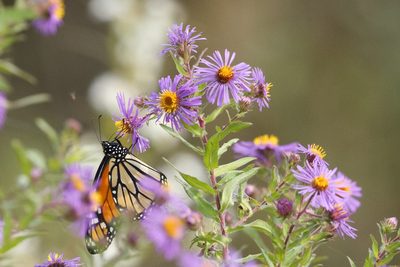
New England Aster
Symphyotrichum novae-angliae
- Full–part sun
- Average–wet
- 3–5 ft
- Blooms Sep–Oct
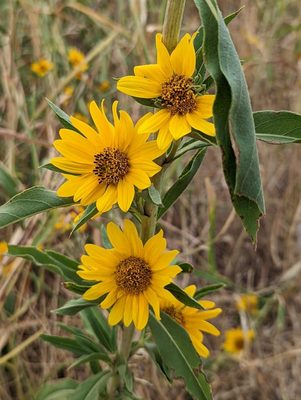
Maximilian Sunflower
Helianthus maximiliani
- Full sun
- Dry–average
- 5–8 ft
- Blooms Aug–Oct
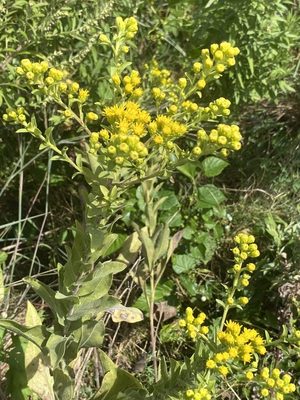
Stiff Goldenrod
Solidago rigida
- Full sun
- Dry–average
- 3–5 ft
- Blooms Aug–Oct
The jobs a native planting asks for in October, by hardiness band: what to do in the garden this month.
The same goals, across every state.
The filters above narrow this page. These open the subject properly, nationwide.
Pollinators
62 native species in Illinois
For bees
59 native species in Illinois
Butterflies
57 native species in Illinois
Hummingbirds
16 native species in Illinois
For birds
34 native species in Illinois
Deer-resistant
49 native species in Illinois
Full sun
61 native species in Illinois
For shade
15 native species in Illinois
Drought-tolerant
41 native species in Illinois
Clay soil
49 native species in Illinois
Rain garden
25 native species in Illinois
Groundcovers
14 native species in Illinois
Flowering shrubs
14 native species in Illinois
Grasses
8 native species in Illinois
Low-maintenance
36 native species in Illinois
Fall color
15 native species in Illinois
Fragrant
14 native species in Illinois
Gardening in Illinoiswhat grows where, and why
Roughly sixty percent of this state was tallgrass prairie when settlers arrived, something on the order of twenty-two million acres. What survives today is a fraction of one percent. It is one of the most complete conversions of a landscape anywhere in North America, and it happened because the same deep, black soil that grew big bluestem eight feet tall grows corn better than almost any ground on earth.
The practical consequence for a gardener is that the plants of this place are mostly gone from the places you can see them. Most Illinois residents have never stood in tallgrass prairie. Planting a few square yards of it is a small act of restoration in a way that is not true in states where the habitat still exists somewhere down the road.
Where the remnants survived, and what they teach
The surviving scraps are informative about siting. Prairie persisted in two unlikely places: old railroad rights-of-way, which were never plowed and were periodically burned by sparks, and pioneer cemeteries, which were fenced and left alone. If you want to know what belongs in your county, those two kinds of places are where to look, and many are now protected preserves.
The state is not uniform. North of a line roughly through Peoria, glacial till left the flat, rich, poorly drained ground of the Grand Prairie. The far northwest corner escaped the last glaciation and is hillier, with thinner soil. The southern tip, below the glacial limit, runs into the Shawnee Hills and a forest flora with southern affinities, including species that reach their northern edge there. Sand deposits along the Illinois and Kankakee rivers support a completely different, drought-adapted community.
Planting into black soil
Rich prairie soil is a mixed blessing in a garden. It grows everything well, including the weeds and the aggressive natives, so a small bed of prairie species in good ground needs more editing than the same bed in lean soil. Species like cup plant and Canada goldenrod will take over a tidy border. Choose the better-behaved prairie plants for small spaces, and save the vigorous colonizers for a large area you are happy to let fill in.
Drainage is the other consideration. Much of the flat till plain was wet prairie before it was tiled, and low spots in yards still hold water in spring. That is an opportunity rather than a defect, because wet-prairie species are some of the best plants in the regional flora.
Confirming what is native to your county
The Illinois Native Plant Society has chapters across the state, and the Illinois Nature Preserves Commission protects remnants in most counties. In the Chicago region, a long-running coalition of conservation organizations maintains extensive guidance on locally native species and where to buy them.
Sources: Illinois Department of Natural Resources (natural divisions and prairie remnants); Illinois Natural History Survey, University of Illinois (vegetation and species distribution); USDA PLANTS Database (native status by state).
Where to buy Illinois natives
Some links here are affiliate links and we may earn a small commission at no extra cost to you.
What a first-year Illinois planting needs, from a pH kit to mulch.
Put these plants in one real bed.
Draw a bed to scale, answer ten questions you can see from a window, and get a real answer for Illinois: whether the space works, roughly what the plants would cost, and which natives suit your light and drainage. Free, and nothing to sign up for.
The $7 Illinois Native Planting Workbook takes the whole state with you: the year month by month, every profiled species, and what Illinois has listed. About the workbook.