Native Plants for Arizona
Arizona contains both the hottest desert in North America and forests at seven thousand feet, and the summer monsoon is the single most important thing to plan a garden around.
Regions: the desert Southwest · the Mountain West
Ecoregion: Sonoran & Chihuahuan deserts, Mogollon Rim
37 native species for Arizona, with the light, moisture and bloom time for each, and what every one of them feeds.
Plants to know in Arizona.
A cross-section of the 37 species native to your region, the workhorses worth starting with.
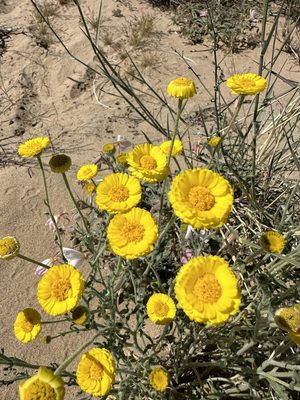
Desert Marigold
Baileya multiradiata
- Full sun
- Dry
- 12–18 in
- Blooms Mar–Oct
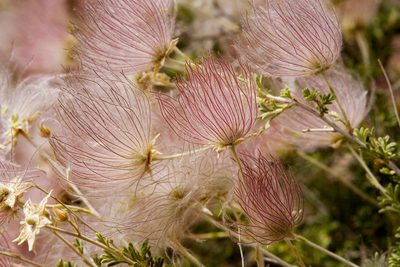
Apache Plume
Fallugia paradoxa
- Full sun
- Dry
- 3–6 ft
- Blooms Apr–Sep
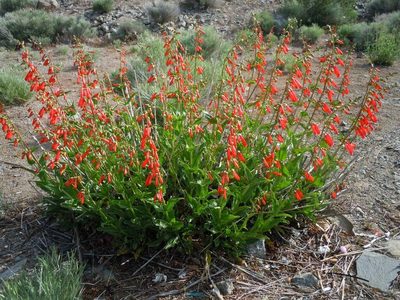
Firecracker Penstemon
Penstemon eatonii
- Full sun
- Dry
- 1.5–3 ft
- Blooms Mar–May

Wild Bergamot
Monarda fistulosa
- Full–part sun
- Dry–average
- 2–4 ft
- Blooms Jun–Aug

Common Yarrow
Achillea millefolium
- Full sun
- Dry–average
- 1.5–3 ft
- Blooms May–Aug
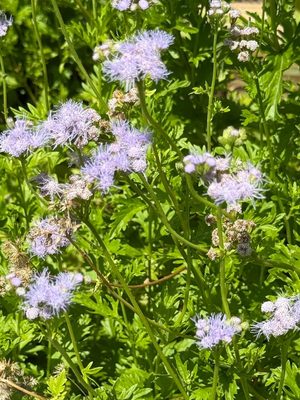
Gregg's Mistflower
Conoclinium greggii
- Full–part sun
- Dry–average
- 1–2 ft
- Blooms May–Oct
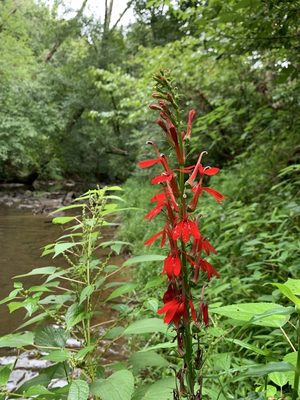
Cardinal Flower
Lobelia cardinalis
- Full–part sun
- Average–wet
- 2–4 ft
- Blooms Jul–Sep
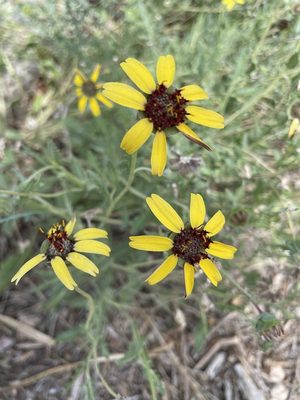
Chocolate Flower
Berlandiera lyrata
- Full sun
- Dry
- 1–2 ft
- Blooms May–Sep
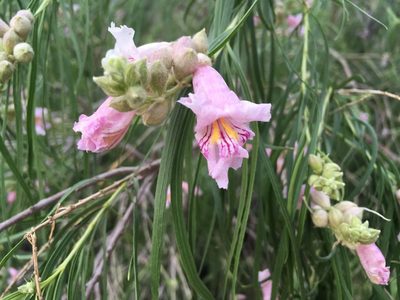
Desert Willow
Chilopsis linearis
- Full sun
- Dry
- 15–25 ft
- Blooms May–Sep
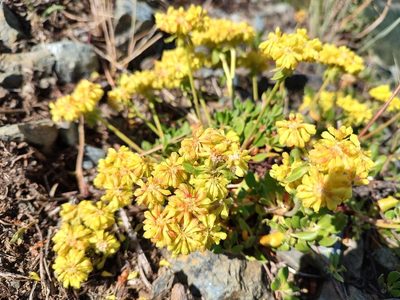
Sulphur-Flower Buckwheat
Eriogonum umbellatum
- Full sun
- Dry
- 6–18 in
- Blooms Jun–Aug
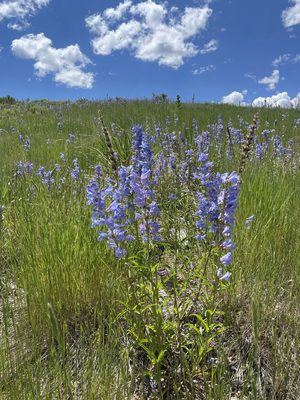
Rocky Mountain Penstemon
Penstemon strictus
- Full sun
- Dry
- 1.5–2.5 ft
- Blooms May–Jul

Prairie Smoke
Geum triflorum
- Full–part sun
- Dry
- 6–16 in
- Blooms Apr–May
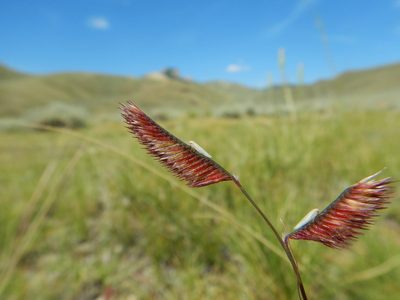
Blue Grama
Bouteloua gracilis
- Full sun
- Dry
- 8–20 in
- Blooms Jun–Aug

Golden Currant
Ribes aureum
- Full–part sun
- Dry–average
- 4–8 ft
- Blooms Apr–May
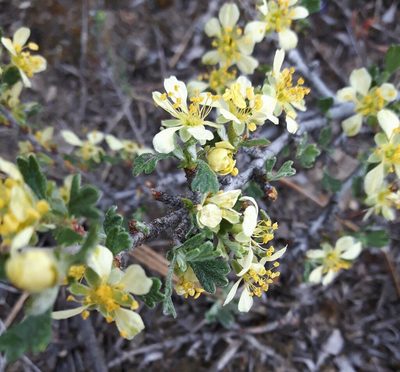
Antelope Bitterbrush
Purshia tridentata
- Full sun
- Dry
- 3–8 ft
- Blooms Apr–Jun
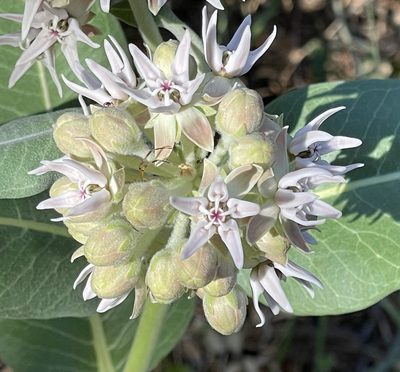
Showy Milkweed
Asclepias speciosa
- Full sun
- Dry–average
- 2–4 ft
- Blooms Jun–Jul
All 37 natives for Arizona.
Filter by what you want the planting to do. Every one of these is native to your region and hardy in zones 5–10.
| Plant | Light | Moisture | Bloom | Feeds |
|---|---|---|---|---|
| Saskatoon ServiceberryAmelanchier alnifolia | Full–part sun | Dry–average | Blooms Apr–May | |
| Blue ElderberrySambucus cerulea | Full–part sun | Average–wet | Blooms Jun–Jul | |
| Desert MarigoldBaileya multiradiata | Full sun | Dry | Blooms Mar–Oct | |
| Pasque FlowerPulsatilla patens | Full sun | Dry | Blooms Mar–Apr | |
| Apache PlumeFallugia paradoxa | Full sun | Dry | Blooms Apr–Sep | |
| Firecracker PenstemonPenstemon eatonii | Full sun | Dry | Blooms Mar–May | |
| Wild BergamotMonarda fistulosa | Full–part sun | Dry–average | Blooms Jun–Aug | |
| Common YarrowAchillea millefolium | Full sun | Dry–average | Blooms May–Aug | |
| OceansprayHolodiscus discolor | Sun to shade | Dry–average | Blooms Jun–Jul | |
| Gregg's MistflowerConoclinium greggii | Full–part sun | Dry–average | Blooms May–Oct | |
| Common CamasCamassia quamash | Full–part sun | Average–wet | Blooms Apr–May | |
| Western ColumbineAquilegia formosa | Part shade | Average | Blooms Apr–Jul | |
| Lewis's Mock OrangePhiladelphus lewisii | Full–part sun | Dry–average | Blooms May–Jun | |
| Autumn SageSalvia greggii | Full–part sun | Dry | Blooms Apr–Oct | |
| Cardinal FlowerLobelia cardinalis | Full–part sun | Average–wet | Blooms Jul–Sep | |
| Flame AcanthusAnisacanthus quadrifidus var. wrightii | Full sun | Dry | Blooms Jun–Oct | |
| Chocolate FlowerBerlandiera lyrata | Full sun | Dry | Blooms May–Sep | |
| Desert WillowChilopsis linearis | Full sun | Dry | Blooms May–Sep | |
| BlanketflowerGaillardia aristata | Full sun | Dry | Blooms Jun–Sep | |
| Anise HyssopAgastache foeniculum | Full–part sun | Dry–average | Blooms Jun–Sep | |
| Sulphur-Flower BuckwheatEriogonum umbellatum | Full sun | Dry | Blooms Jun–Aug | |
| Rocky Mountain PenstemonPenstemon strictus | Full sun | Dry | Blooms May–Jul | |
| Prairie SmokeGeum triflorum | Full–part sun | Dry | Blooms Apr–May | |
| Purple Prairie CloverDalea purpurea | Full sun | Dry | Blooms Jun–Jul | |
| Common SnowberrySymphoricarpos albus | Sun to shade | Dry–average | Blooms Jun–Jul | |
| Blue GramaBouteloua gracilis | Full sun | Dry | Blooms Jun–Aug | |
| Nootka RoseRosa nutkana | Full–part sun | Average–wet | Blooms May–Jun | |
| Golden CurrantRibes aureum | Full–part sun | Dry–average | Blooms Apr–May | |
| Antelope BitterbrushPurshia tridentata | Full sun | Dry | Blooms Apr–Jun | |
| Showy MilkweedAsclepias speciosa | Full sun | Dry–average | Blooms Jun–Jul | |
| Sideoats GramaBouteloua curtipendula | Full sun | Dry | Blooms Jun–Jul | |
| Fragrant SumacRhus aromatica | Full–part sun | Dry | Blooms Mar–Apr | |
| Red-Twig DogwoodCornus sericea | Full–part sun | Average–wet | Blooms May–Jun | |
| Oregon GrapeBerberis aquifolium | Sun to shade | Dry–average | Blooms Mar–Apr | |
| BearberryArctostaphylos uva-ursi | Full–part sun | Dry | Blooms Apr–May | |
| Little BluestemSchizachyrium scoparium | Full sun | Dry–average | Fall color | |
| Idaho FescueFestuca idahoensis | Full–part sun | Dry | Evergreen |
No plants in this state match that goal.
What is blooming in Arizona in October.
4 of the 37 species native to Arizona flower in October. Every one of them wants full sun. It is a gold, blue, red month here.
Desert Marigold
Baileya multiradiata
- Full sun
- Dry
- 12–18 in
- Blooms Mar–Oct
Gregg's Mistflower
Conoclinium greggii
- Full–part sun
- Dry–average
- 1–2 ft
- Blooms May–Oct
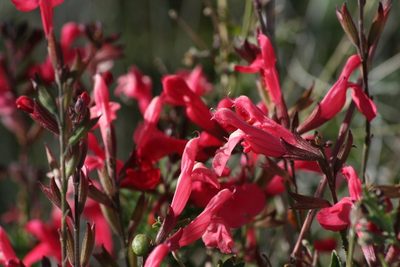
Autumn Sage
Salvia greggii
- Full–part sun
- Dry
- 2–3 ft
- Blooms Apr–Oct
Flame Acanthus
Anisacanthus quadrifidus var. wrightii
- Full sun
- Dry
- 2–4 ft
- Blooms Jun–Oct
The jobs a native planting asks for in October, by hardiness band: what to do in the garden this month.
The same goals, across every state.
The filters above narrow this page. These open the subject properly, nationwide.
Pollinators
33 native species in Arizona
For bees
31 native species in Arizona
Butterflies
23 native species in Arizona
Hummingbirds
13 native species in Arizona
For birds
17 native species in Arizona
Deer-resistant
31 native species in Arizona
Full sun
36 native species in Arizona
Drought-tolerant
32 native species in Arizona
Clay soil
13 native species in Arizona
Rain garden
5 native species in Arizona
Groundcovers
6 native species in Arizona
Flowering shrubs
15 native species in Arizona
Low-maintenance
17 native species in Arizona
Evergreen
7 native species in Arizona
Fragrant
8 native species in Arizona
Gardening in Arizonawhat grows where, and why
Arizona's range is vertical. The Sonoran Desert in the south and west sits low and hot, and it is the only place saguaro grows. The Mogollon Rim cuts across the middle of the state, and above it the Colorado Plateau carries the largest contiguous ponderosa pine forest in North America, with winters that include real snow.
The southeast corner adds the sky islands: isolated mountain ranges rising from desert grassland, each carrying woodland and forest at its top, separated from the others by desert. They hold species from both Mexico and the Rockies and are among the most biologically rich areas on the continent.
Northern Arizona and southern Arizona are not the same gardening proposition in any respect.
The monsoon
From roughly July into September, moist air moves north and brings the summer monsoon: intense, localized thunderstorms that deliver a large share of the year's rainfall in a short window.
This bimodal pattern, winter rain plus summer monsoon, is what distinguishes the Sonoran Desert from drier deserts, and it is why the Sonoran supports so much plant life. Native species time their growth to it. Many bloom after the summer rains rather than in spring.
Plan plantings around that rhythm. Planting just before the monsoon gives new roots natural water at the moment they need it most, which is why early summer planting works here when it would fail in most dry regions.
Heat, sun, and reflected light
Low desert summers are extreme, and reflected heat from walls, pavement, and gravel intensifies it further. A plant on the south or west side of a masonry wall experiences conditions well beyond the air temperature.
Native desert species handle this. Brittlebush, desert marigold, penstemons, globemallow, agaves, and the desert trees like palo verde and mesquite are built for the exposure and need no shade cloth or misting.
Afternoon shade extends what is possible for less tolerant species, and a desert tree providing filtered light is the traditional structure for a planting here.
Water and soil
Desert soils are alkaline, low in organic matter, and often have a hardpan layer of caliche beneath the surface that blocks drainage and roots. Check for it before planting anything permanent; breaking through it matters more than amending the topsoil.
Water new plantings deeply and infrequently to draw roots down, then taper off. Frequent shallow watering produces shallow roots that cannot survive a hot spell.
Confirming what is native to your area
The Arizona Native Plant Society runs chapters across the state's very different elevations. The Desert Botanical Garden in Phoenix and the Arizona-Sonora Desert Museum near Tucson are both excellent for seeing mature native plantings, and the University of Arizona Cooperative Extension publishes elevation-specific guidance.
Sources: Arizona-Sonora Desert Museum (Sonoran Desert flora); University of Arizona Cooperative Extension (regional and elevation-specific guidance); USDA PLANTS Database (native status by state).
Where to buy Arizona natives
Some links here are affiliate links and we may earn a small commission at no extra cost to you.
What a first-year Arizona planting needs, from a pH kit to mulch.
Put these plants in one real bed.
Draw a bed to scale, answer ten questions you can see from a window, and get a real answer for Arizona: whether the space works, roughly what the plants would cost, and which natives suit your light and drainage. Free, and nothing to sign up for.