- Home
- Plant guide
- California Poppy
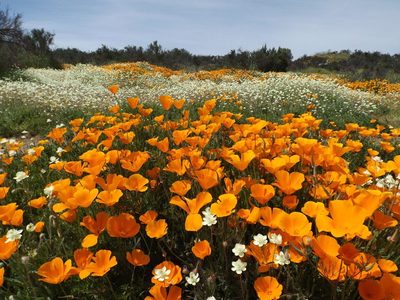
Amy (CC BY)
California Poppy
Eschscholzia californica
The silken orange state flower of California, painting dry hillsides every spring.
Native to: California
Growing California Poppy
Sow seed in fall onto bare, lean soil and let it reseed forever after. Flowers close at night and on cloudy days, then blaze open in sun.
Where it belongs
California poppy is native to California and adjacent parts of the West, growing on grassy hillsides, in open valleys, along roadsides, and in the disturbed ground of burned or grazed slopes. It is the state flower, and in a wet year it covers whole hillsides.
It behaves differently depending on where it grows. In its mild native range it is a short-lived perennial that persists for a few years. In colder places it functions as an annual that dies at the first hard freeze and returns from seed. Either way the planting maintains itself by seeding rather than by individual plants lasting.
Growing it
Full sun, dry soil, in sand, rocky ground, or lean loam, zones 6 to 10. Eight to eighteen inches.
Sow seed, do not buy plants. It has a taproot and transplants poorly, and seed is cheap enough to sow generously.
Timing is the technique. In its native climate, sow in fall onto bare soil and let winter rain germinate it, which produces spring bloom on plants with real root systems. Spring sowing works in colder regions but gives smaller plants and a shorter season.
Do not amend the soil, do not fertilize, and do not water once it is up beyond what nature provides. Rich ground gives you foliage and few flowers.
Scratch the seed into bare ground rather than sowing onto mulch. Seedlings need soil contact and light.
What it feeds
The flowers open in sun and close at night and on overcast days, which is easy to mistake for the plant finishing. It is a heat and light response.
There is no nectar. What the flower offers is pollen, in quantity, and the visitors are bees: bumblebees, sweat bees, mining bees, and a group of specialists tied to this plant. Beetles work the open cups as well.
Bloom runs from March into June, which in a dry western spring is a substantial part of the season when bees are most active.
Living with it
Deer and rabbits generally leave it alone.
Two cautions worth stating. First, wild-collecting or trampling poppy displays on public land damages them, and several California preserves ask visitors to stay on trails during bloom. Second, it is native to the West and has become weedy elsewhere, including parts of the Southeast and in other countries. If you garden outside its range, treat it as a garden annual rather than as a native planting.
Let it set seed and shed before clearing, then leave the ground open for next year.
Sources: USDA PLANTS Database (native range); Lady Bird Johnson Wildflower Center, University of Texas at Austin (species profile and propagation); California Native Plant Society (sowing guidance and wildflower display etiquette).
It’s drought-tolerant, showy, and easy to grow.Where it grows
California Poppy is native to California. In the wild you’ll find it across California · Nevada · Oregon. Always confirm it suits your specific county with your state native plant society before planting.
Regional Garden has written state guides covering California Poppy in 3 of them so far.
Good for
Where to buy California Poppy
Some links here are affiliate links and we may earn a small commission at no extra cost to you.
What a first-year California Poppy planting needs, from a pH kit to mulch.
Companions & kin.
Natives that share California Poppy’s range and conditions.
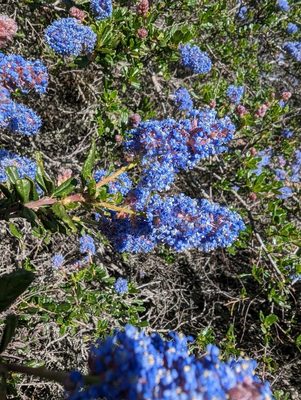
California Lilac
Ceanothus thyrsiflorus
Sheets of true-blue spring flowers on an evergreen shrub that hums with bees on the West Coast.
- Full sun
- Dry
- 6–20 ft
- Blooms Mar–May

Common Yarrow
Achillea millefolium
A near-continental native with flat flower heads that feed tiny beneficial insects, tough as a weed.
- Full sun
- Dry–average
- 1.5–3 ft
- Blooms May–Aug
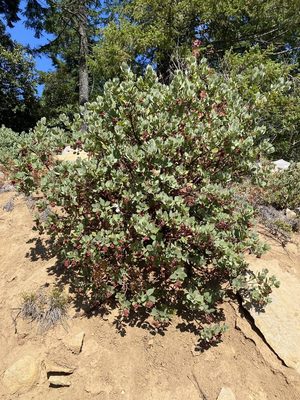
Hairy Manzanita
Arctostaphylos columbiana
Sculptural mahogany bark and early urn-shaped flowers that feed the West Coast's first bees of spring.
- Full–part sun
- Dry
- 3–9 ft
- Blooms Mar–May
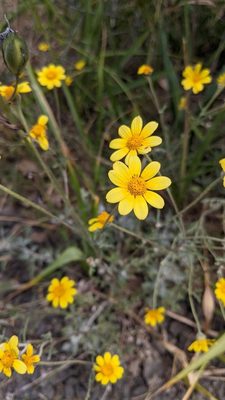
Oregon Sunshine
Eriophyllum lanatum
Silver-woolly foliage under golden daisies, on a plant that treats a hot dry summer as normal weather.
- Full sun
- Dry
- 0.7–2 ft
- Blooms May–Jul