- Home
- Plant guide
- Swamp Milkweed
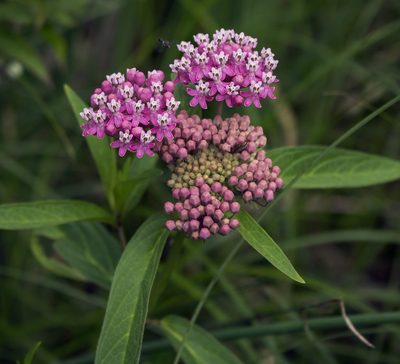
aarongunnar (CC BY)
Swamp Milkweed
Asclepias incarnata
A well-behaved, clump-forming milkweed for wet ground: a monarch host that also looks at home in a border.
Native to: the Northeast · the Mid-Atlantic · the Southeast · the Midwest · the Great Plains
Growing Swamp Milkweed
Despite the name it grows happily in ordinary garden soil that doesn't bake dry. Unlike common milkweed it stays in a tidy clump.
Where it belongs
Swamp milkweed grows wild across the eastern two thirds of the country, in wet meadows, along ditches, and at the margins of ponds and slow streams. Its natural company is sedges and Joe-Pye weed, in ground that stays damp into summer.
The name scares people off, and it should not. It grows perfectly well in ordinary garden soil as long as that soil does not bake dry in July. What it will not tolerate is the sharp-drained, gravelly spot where butterfly weed is happiest. If your yard has a low corner that stays soft after rain, that corner is where this plant wants to live.
Growing it
Full sun to part sun, in clay or loam, hardy from zone 3 to zone 9. It reaches three to four feet and stands up without staking.
The important difference from common milkweed is underground. Common milkweed travels by rhizome and will appear ten feet away; swamp milkweed forms a clump and stays in it. That single fact is why this is the milkweed for a planned bed rather than a rough field.
It emerges late, often not until other perennials are already several inches up. Gardeners dig it up every spring assuming it died. Mark the spot in fall and leave it alone until June before you conclude anything.
What it feeds
It is a monarch host plant, so caterpillars eat the foliage, and that is the point rather than a problem. Plant enough that chewed leaves do not read as damage: three plants look eaten, seven look like a habitat.
The flowers are separately valuable. They carry a strong vanilla scent and draw swallowtails, fritillaries, and a long list of bees through July and August, including the small ones that skip larger blooms.
Living with it
The milky sap is mildly toxic and can irritate skin and eyes. Wash your hands after cutting it, and keep it out of reach if you have a child who samples the garden.
Aphids arrive most years, orange and clustered on the stem tips. They rarely damage an established plant, and the ladybird beetle larvae that follow them are part of what you planted this for. A hard spray of water handles a bad year. Insecticide on a monarch host defeats the entire purpose.
Leave the seed pods to split and the stems to stand. Cut back in spring.
Sources: USDA PLANTS Database (native range); Lady Bird Johnson Wildflower Center, University of Texas at Austin (species profile and cultural notes); Xerces Society (milkweed selection and monarch host guidance).
It’s fragrant, showy, and easy to grow.Where it grows
Swamp Milkweed is native to the Northeast. In the wild you’ll find it across Alabama · Arkansas · Colorado · Connecticut · Delaware · Florida · Georgia · Illinois · Indiana · Iowa and 32 more states. Always confirm it suits your specific county with your state native plant society before planting.
Regional Garden has written state guides covering Swamp Milkweed in 42 of them so far.
Good for
Where to buy Swamp Milkweed
Some links here are affiliate links and we may earn a small commission at no extra cost to you.
What a first-year Swamp Milkweed planting needs, from a pH kit to mulch.
Companions & kin.
Natives that share Swamp Milkweed’s range and conditions.
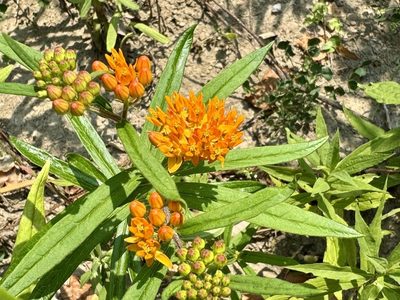
Butterfly Weed
Asclepias tuberosa
A monarch host plant and the brightest orange in the native palette, thriving in lean, dry soil.
- Full sun
- Dry
- 1.5–2.5 ft
- Blooms Jun–Aug
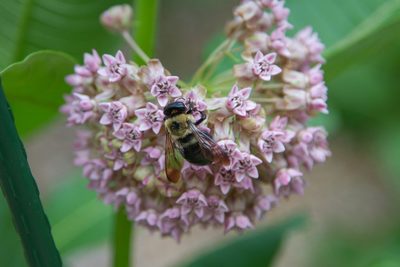
Common Milkweed
Asclepias syriaca
The classic monarch nursery, with honey-scented summer flowers that perfume an entire meadow.
- Full–part sun
- Dry–average
- 3–5 ft
- Blooms Jun–Jul
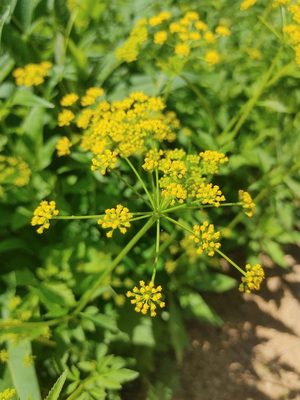
Golden Alexanders
Zizia aurea
Early flat gold heads that feed the first small bees and host the black swallowtail.
- Full–part sun
- Average–wet
- 1.5–2.5 ft
- Blooms Apr–Jun
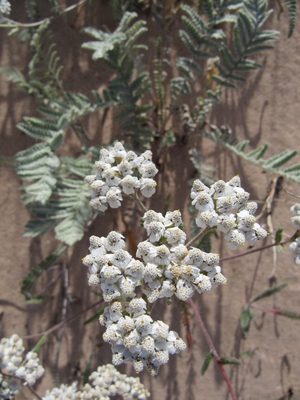
Common Yarrow
Achillea millefolium
A near-continental native with flat flower heads that feed tiny beneficial insects, tough as a weed.
- Full sun
- Dry–average
- 1.5–3 ft
- Blooms May–Aug