- Home
- Plant guide
- Common Milkweed
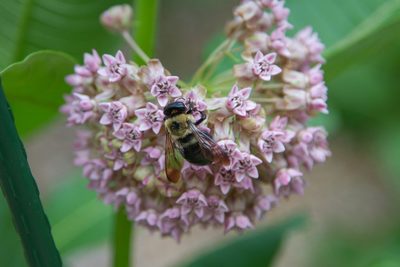
Terry Woodward (CC BY)
Common Milkweed
Asclepias syriaca
The classic monarch nursery, with honey-scented summer flowers that perfume an entire meadow.
Native to: the Northeast · the Mid-Atlantic · the Southeast · the Midwest · the Great Plains
Growing Common Milkweed
Spreads by rhizome, so give it room or a spot where wandering is welcome. The single most productive monarch host across the eastern half of the country.
Where it belongs
Common milkweed is native across the eastern and central states, and it is the milkweed of roadsides, field edges, and old pasture. It is also, by most measures, the single most productive monarch host plant in that range: monarchs lay on it more readily than on other species, and the caterpillars grow faster on it.
That makes it valuable and awkward at the same time. It spreads aggressively by underground rhizome, sending up new shoots several feet from the parent. In a meadow or a rough corner that is the point. In a mixed border it will be through the neighbors within two seasons, and pulling shoots does not stop it, because every piece of severed root can start again.
Plant it where spreading is acceptable, or plant butterfly weed or swamp milkweed instead.
Growing it
It is close to unkillable in full sun on average or dry soil, and it does not want help. No fertilizer, no watering after the first year, no division.
Give it room and a boundary it cannot cross: a mown path, a drive, a building. Raised beds and containers do not reliably contain it.
Seed needs a cold moist period before it germinates, so sow in autumn and let winter do the work rather than trying to force it in spring.
What it feeds
Monarch caterpillars eat milkweed and nothing else. Beyond monarchs, the flower clusters are among the most heavily used nectar sources in a summer landscape, drawing bees, wasps, beetles, and butterflies in numbers, and the scent on a warm evening is one of the genuine pleasures of the plant.
Expect stripped leaves, aphids, and beetles. All of that is the plant working. Anything you spray to stop it also kills what you planted it for.
A caution worth stating plainly
The milky sap is toxic if eaten and irritating to eyes and skin. Wash after handling and cutting, keep it away from small children who put things in their mouths, and be aware that it is toxic to livestock if it gets into hay.
Living with it
Leave the stems and pods through winter. The seed floss is used as nesting material by several birds, and the hollow stems shelter insects. Cut back in late spring.
Sources: USDA PLANTS Database (native status and range); Xerces Society for Invertebrate Conservation (milkweed selection and monarch guidance); Monarch Joint Venture (host plant productivity).
It’s drought-tolerant, fragrant, and easy to grow.Where it grows
Common Milkweed is native to the Northeast. In the wild you’ll find it across Alabama · Arkansas · Colorado · Connecticut · Delaware · Florida · Georgia · Illinois · Indiana · Iowa and 32 more states. Always confirm it suits your specific county with your state native plant society before planting.
Regional Garden has written state guides covering Common Milkweed in 42 of them so far.
Good for
Where to buy Common Milkweed
Some links here are affiliate links and we may earn a small commission at no extra cost to you.
What a first-year Common Milkweed planting needs, from a pH kit to mulch.
Companions & kin.
Natives that share Common Milkweed’s range and conditions.
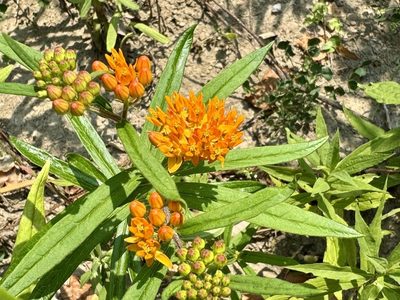
Butterfly Weed
Asclepias tuberosa
A monarch host plant and the brightest orange in the native palette, thriving in lean, dry soil.
- Full sun
- Dry
- 1.5–2.5 ft
- Blooms Jun–Aug
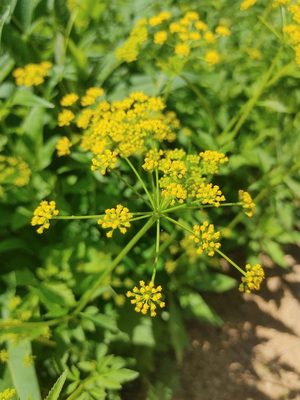
Golden Alexanders
Zizia aurea
Early flat gold heads that feed the first small bees and host the black swallowtail.
- Full–part sun
- Average–wet
- 1.5–2.5 ft
- Blooms Apr–Jun
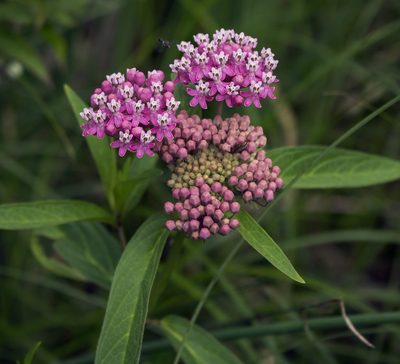
Swamp Milkweed
Asclepias incarnata
A well-behaved, clump-forming milkweed for wet ground: a monarch host that also looks at home in a border.
- Full–part sun
- Average–wet
- 3–4 ft
- Blooms Jul–Aug

Common Yarrow
Achillea millefolium
A near-continental native with flat flower heads that feed tiny beneficial insects, tough as a weed.
- Full sun
- Dry–average
- 1.5–3 ft
- Blooms May–Aug