- Home
- Plant guide
- Lanceleaf Coreopsis
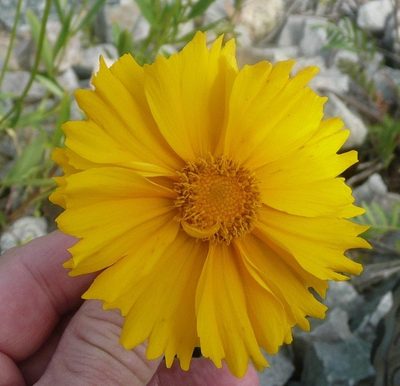
Lanceleaf Coreopsis
Coreopsis lanceolata
Sunny gold daisies for weeks in early summer on the leanest, driest soil you can offer.
Native to: the Northeast · the Mid-Atlantic · the Southeast · the Midwest · the Great Plains · the South-Central region
Growing Lanceleaf Coreopsis
Deadhead to extend the long bloom, or let the seed feed finches. Thrives on neglect and poor soil; rots in anything rich or wet.
Where it belongs
Lanceleaf coreopsis is native across the East, Midwest, Plains, and Texas, growing in dry prairie, sand barrens, rocky glades, and along roadsides. It is one of the species most often included in wildflower seed mixes, which means many people have grown it without knowing what it was.
The important thing about it is inverted from ordinary garden advice. It does not want compost, it does not want mulch, and it does not want watering. It wants lean, dry, sharply drained ground, and it declines in anything better.
Growing it
Full sun, dry to medium soil, in sand, loam, or rocky ground, zones 3 to 9. Eighteen inches to two feet.
The single most common way to kill it is to treat it well. In rich moist soil it grows lush, flops open, gets crown rot, and dies over winter. In gravel at the edge of a drive it persists for years.
It blooms from May into July, which fills the stretch after the spring flowers and before the summer prairie perennials, alongside foxglove beardtongue.
Deadheading extends the bloom substantially, at the cost of the seed. A practical compromise is to deadhead the first flush and then let the later heads ripen for the finches.
It reseeds where the ground is open, and individual plants are not long-lived, so the planting maintains itself as a shifting population rather than as fixed clumps.
What it feeds
The flower is a flat open daisy with an accessible center, which is the architecture that serves the widest range of insects.
Small native bees, bumblebees, flower flies, soldier beetles, and small butterflies all work it, and it is a useful pollen source in early summer. Several specialist bees collect from Coreopsis.
Goldfinches take the seed directly from the standing heads, and they time late nesting to seed availability.
Living with it
Deer generally avoid it and it is genuinely drought tolerant, needing no water after the first season.
Cut the whole plant back by a third in midsummer if it starts to look ragged. Fresh basal growth follows and often a second lighter flush of bloom.
Leave the last seed heads standing into winter. Cut back in spring.
Sources: USDA PLANTS Database (native range); Lady Bird Johnson Wildflower Center, University of Texas at Austin (species profile and culture); Mt. Cuba Center (Coreopsis trial results on longevity and garden performance).
It’s deer-resistant, drought-tolerant, easy to grow, long-blooming, and a good cut flower.Where it grows
Lanceleaf Coreopsis is native to the Northeast. In the wild you’ll find it across Alabama · Arkansas · Colorado · Connecticut · Delaware · Florida · Georgia · Illinois · Indiana · Iowa and 32 more states. Always confirm it suits your specific county with your state native plant society before planting.
Regional Garden has written state guides covering Lanceleaf Coreopsis in 42 of them so far.
Good for
Where to buy Lanceleaf Coreopsis
Some links here are affiliate links and we may earn a small commission at no extra cost to you.
What a first-year Lanceleaf Coreopsis planting needs, from a pH kit to mulch.
Companions & kin.
Natives that share Lanceleaf Coreopsis’s range and conditions.
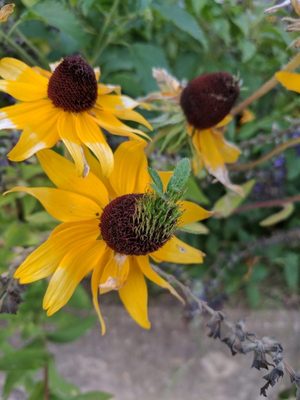
Black-Eyed Susan
Rudbeckia hirta
A cheerful, unkillable starter native that blooms its first year and seeds itself politely around.
- Full–part sun
- Dry–average
- 1.5–3 ft
- Blooms Jun–Sep
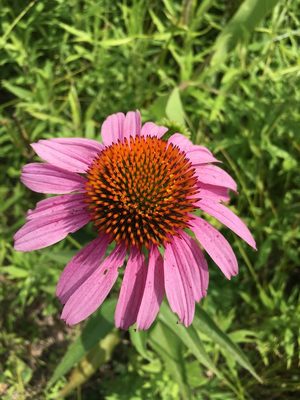
Purple Coneflower
Echinacea purpurea
The garden workhorse: months of nectar for bees and butterflies, then seed heads goldfinches strip all winter.
- Full–part sun
- Dry–average
- 2–4 ft
- Blooms Jun–Sep
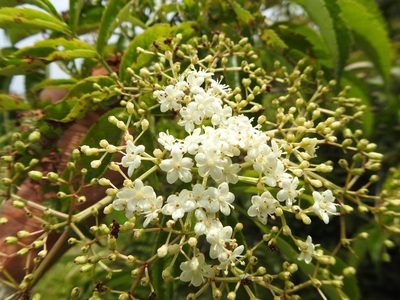
American Elderberry
Sambucus canadensis
Big lacy flower heads in summer give way to purple-black berries for both birds and your kitchen.
- Full–part sun
- Average–wet
- 6–12 ft
- Blooms Jun–Jul
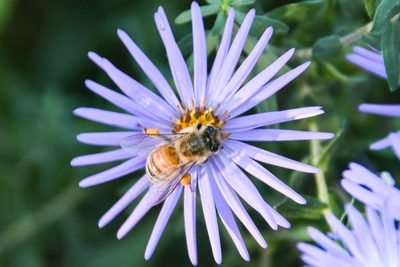
Aromatic Aster
Symphyotrichum oblongifolium
A drought-proof, mounding aster that closes the pollinator season with sheets of blue.
- Full sun
- Dry
- 1.5–2.5 ft
- Blooms Sep–Nov