- Home
- Plant guide
- Red-Twig Dogwood
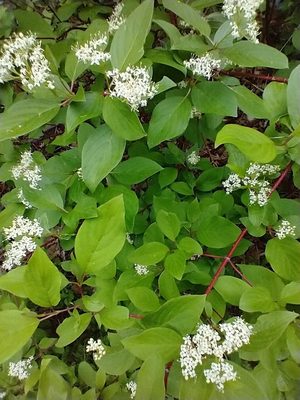
Tom Norton (CC BY)
Red-Twig Dogwood
Cornus sericea
Grown for its fire-engine-red winter stems, with white spring flowers and berries birds devour.
Native to: the Northeast · the Mid-Atlantic · the Midwest · the Great Plains · the Mountain West · the Pacific Northwest
Growing Red-Twig Dogwood
Cut a third of the oldest stems each spring to keep the winter color vivid. Spreads to colonize wet banks and control erosion.
Where it belongs
Red-twig dogwood, also called red osier, is native across the northern half of the country, from New England through the Midwest and Plains into the Mountain West and Pacific Northwest. It grows in wet meadows, along streams, in swamps, and on the margins of ponds and marshes.
The winter stems are the reason most people plant it. From leaf drop until spring the young wood is a strong red that reads from a distance and is strongest against snow. In a northern garden with five months of bare ground, that is a genuine feature.
Growing it
Full sun to part sun, wet to medium soil, in loam or clay, zones 3 to 7. Six to nine feet tall, spreading wider by suckering.
Wet ground suits it. It handles seasonal flooding, and it is one of the standard shrubs for rain gardens, streambanks, and detention basins.
It spreads. Stems that touch the ground root where they land, and it suckers from the roots into a thicket. In a restoration or on a bank that is the point. In a bed with neighbors it needs an annual edge cut.
The stem color depends entirely on pruning, and this is the single thing people get wrong. Only young wood is bright red; three-year-old wood is dull brown. Cut about a third of the oldest stems to the ground every late winter, so the plant always carries new growth. Without that it dulls to nothing within a few years.
Full sun gives the strongest color.
What it feeds
Flat clusters of small creamy flowers open in May and June and feed a wide range of small bees, flies, and beetles. It is a host plant for several moths and for the spring azure butterfly.
The fruit is white and ripens in late summer, and it is heavily used: more than ninety bird species have been recorded eating dogwood fruit, and this one ripens early enough to feed birds during the breeding season rather than only during migration.
The thicket structure is nesting habitat, and in wet areas it is used by a long list of birds and small mammals.
Living with it
Deer will browse it, and heavy browsing in winter is common where pressure is high.
Several selections exist with brighter red, coral, or yellow stems, and yellow twig forms are the same species. All of them need the same annual renewal pruning.
Do the pruning in late winter, before growth starts, so you get a full season of new stems.
Sources: USDA PLANTS Database (native range and nomenclature); Lady Bird Johnson Wildflower Center, University of Texas at Austin (species profile); USDA Natural Resources Conservation Service (plant guide, streambank stabilization and wildlife use).
It’s easy to grow, good for winter interest, and salt-tolerant.Where it grows
Red-Twig Dogwood is native to the Northeast. In the wild you’ll find it across Arizona · Arkansas · California · Colorado · Connecticut · Delaware · Idaho · Illinois · Indiana · Iowa and 32 more states. Always confirm it suits your specific county with your state native plant society before planting.
Regional Garden has written state guides covering Red-Twig Dogwood in 42 of them so far.
Good for
Where to buy Red-Twig Dogwood
Some links here are affiliate links and we may earn a small commission at no extra cost to you.
What a first-year Red-Twig Dogwood planting needs, from a pH kit to mulch.
Companions & kin.
Natives that share Red-Twig Dogwood’s range and conditions.
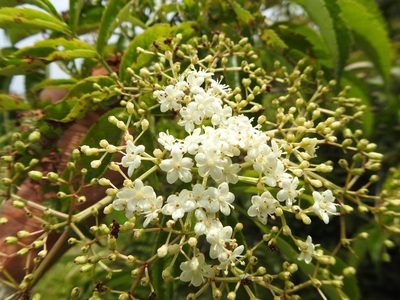
American Elderberry
Sambucus canadensis
Big lacy flower heads in summer give way to purple-black berries for both birds and your kitchen.
- Full–part sun
- Average–wet
- 6–12 ft
- Blooms Jun–Jul
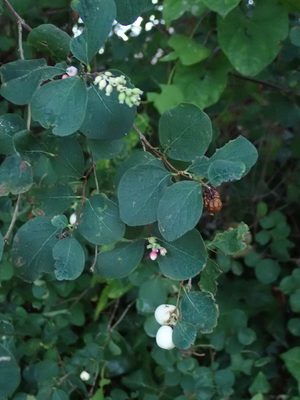
Common Snowberry
Symphoricarpos albus
The shrub that will grow where nothing else will, and hangs white berries on bare stems all winter.
- Sun to shade
- Dry–average
- 3–6 ft
- Blooms Jun–Jul
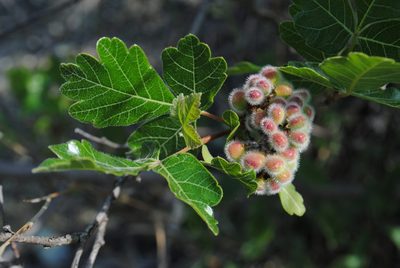
Fragrant Sumac
Rhus aromatica
A low, spreading shrub that blankets dry banks and blazes scarlet and orange in fall.
- Full–part sun
- Dry
- 2–6 ft
- Blooms Mar–Apr

Saskatoon Serviceberry
Amelanchier alnifolia
White flowers before the leaves, then fruit that tastes like a sweet blueberry, then orange fall color.
- Full–part sun
- Dry–average
- 6–15 ft
- Blooms Apr–May