- Home
- Plant guide
- Wild Lupine
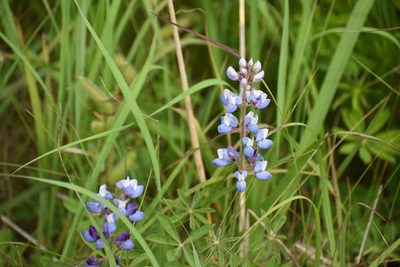
Wild Lupine
Lupinus perennis
The sole host plant of the endangered Karner blue butterfly, thriving in poor sandy soil.
Native to: the Northeast · the Mid-Atlantic · the Southeast · the Midwest
Growing Wild Lupine
Demands sharp drainage and resents transplanting, so start from seed sown where it will grow. Fixes its own nitrogen, so never fertilize.
Where it belongs
Wild lupine grows in the Northeast, Mid-Atlantic, upper Southeast, and Midwest, in pine barrens, oak savannas, sand prairies, and open dunes. Its habitat is defined by poor sandy soil and full sun, and by fire or grazing keeping the canopy open.
Two clarifications before you buy one. This is not the tall multicolored garden lupine from seed catalogs, which is a western species and its hybrids. And it is not the Texas bluebonnet, which is a different lupine entirely. This one is lower, blue-violet, and eastern.
Growing it
Full sun to part sun, dry soil, in sand or rocky ground, zones 3 to 8. One to two feet.
Sharp drainage is not a preference here, it is the whole requirement. Clay kills it. If your soil holds water, this is not your plant, and no amount of amendment makes it one reliably.
It also resents transplanting, because it puts down a taproot early and does not forgive having it broken. Sow seed where you want it to grow, in fall, after scarifying and inoculating with a lupine-specific rhizobium. Nursery plants in deep pots can work; shallow pots usually do not.
Never fertilize it. It fixes its own nitrogen through root nodules, and added fertility helps its competitors far more than it helps the lupine.
What it feeds
The Karner blue butterfly lays only on this plant. Its caterpillars eat this and nothing else, and the butterfly is federally listed as endangered, its decline tracking the loss of the sand savannas where lupine grew.
Frosted elfin and Persius duskywing also depend on it. Bumblebees are the main pollinators, and several native bees collect its pollen.
Planting lupine in a suburban yard will not by itself bring back a butterfly that needs large connected habitat. Planting it near remnant barrens habitat is a different proposition, and local conservation groups usually know which is which where you live.
Living with it
Deer generally avoid it. The seeds and foliage contain alkaloids and should not be eaten by people or livestock.
It goes dormant early in dry summers, yellowing and dying back by August. That is normal, not failure. Plant little bluestem or butterfly weed around it to carry the spot through fall.
Sources: USDA PLANTS Database (native range); US Fish and Wildlife Service (Karner blue butterfly listing and host plant dependence); Lady Bird Johnson Wildflower Center, University of Texas at Austin (species profile and propagation).
It’s deer-resistant, drought-tolerant, and a nitrogen-fixer.Where it grows
Wild Lupine is native to the Northeast. In the wild you’ll find it across Alabama · Arkansas · Connecticut · Delaware · Florida · Georgia · Illinois · Indiana · Iowa · Kentucky and 24 more states. Always confirm it suits your specific county with your state native plant society before planting.
Regional Garden has written state guides covering Wild Lupine in 34 of them so far.
Good for
Where to buy Wild Lupine
Some links here are affiliate links and we may earn a small commission at no extra cost to you.
What a first-year Wild Lupine planting needs, from a pH kit to mulch.
Companions & kin.
Natives that share Wild Lupine’s range and conditions.
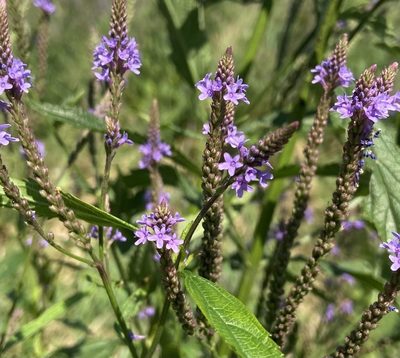
Blue Vervain
Verbena hastata
Candelabras of tiny violet flowers for wet ground, working for small native bees all summer.
- Full–part sun
- Average–wet
- 3–5 ft
- Blooms Jul–Sep
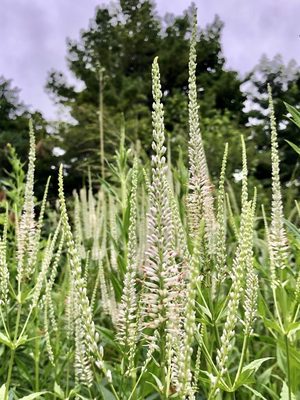
Culver's Root
Veronicastrum virginicum
Elegant white candelabra spires that bring vertical structure and a haze of bees to midsummer.
- Full–part sun
- Average–wet
- 3–5 ft
- Blooms Jun–Aug
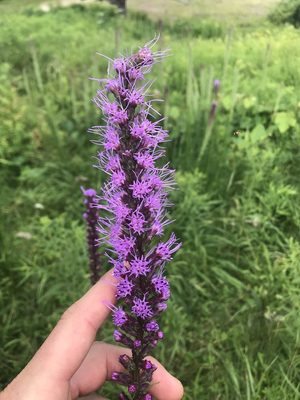
Dense Blazing Star
Liatris spicata
Vertical wands of magenta that open top-down and pull in every swallowtail in the neighborhood.
- Full sun
- Average–wet
- 2–4 ft
- Blooms Jul–Aug
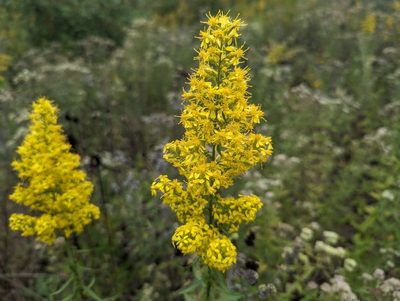
Showy Goldenrod
Solidago speciosa
Upright golden candles that anchor the fall garden, and no, goldenrod doesn't cause hay fever.
- Full–part sun
- Dry–average
- 2–4 ft
- Blooms Sep–Oct