- Home
- Plant guide
- Inkberry Holly
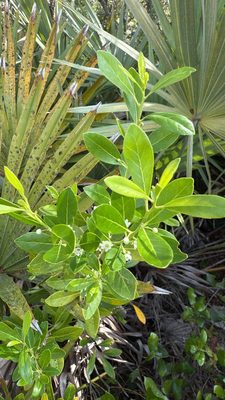
Inkberry Holly
Ilex glabra
A native evergreen alternative to boxwood that takes wet feet and feeds bees and birds.
Native to: the Northeast · the Mid-Atlantic · the Southeast
Growing Inkberry Holly
The best native broadleaf evergreen for clipped hedges in the East. Female plants carry black berries that birds eat through winter.
Where it belongs
Inkberry is native to the Northeast, Mid-Atlantic, and Southeast, mostly on the coastal plain, growing in pine barrens, bogs, wet flatwoods, and the sandy margins of swamps.
Its garden role is specific. Clipped evergreen hedges and foundation plantings are usually boxwood, which is not native, is under pressure from boxwood blight, and supports essentially no insect life. Inkberry is a native broadleaf evergreen at the same scale that takes clipping.
Growing it
Full sun to part sun, medium to wet soil, in loam, clay, or sand, zones 4 to 9. Four to eight feet tall and as wide, and smaller in the compact selections most often sold.
It prefers acidic soil, which is worth checking. In alkaline ground the leaves yellow between the veins and the plant declines.
Wet is fine. It grows in bogs naturally and works in a rain garden, which is unusual for an evergreen hedge plant.
The recurring complaint is legginess: older plants lose their lower leaves and go bare at the base. Selections such as Shamrock and Gem Box were chosen to hold lower foliage. Regular light shearing and enough sun both help. Renewal pruning in early spring on an old plant restores density.
It suckers modestly from the base, which is how it fills in.
What it feeds
The flowers in May and June are small, greenish-white, and easy to miss, and they are worked heavily by bees. Inkberry is a well-known honey plant on the coastal plain, and native bees use it too.
Plants are male or female, and only females fruit. Fruit set requires a male within range, which is the single most common reason a planting produces no berries. Many named cultivars are female; a few, such as Nordic, are male.
The fruit is black, ripens in fall, and persists deep into winter, which makes it a late-season food source when most fruit has been stripped. Songbirds and game birds take it.
Evergreen structure is itself habitat: winter cover and roosting in a season when most native shrubs are bare.
Living with it
Deer generally leave it alone, which is an advantage over many hedge alternatives.
The berries are mildly toxic to people and should not be eaten, which is true of hollies generally.
Shear in late spring after flowering. Avoid shearing in late summer, since new growth may not harden before frost.
Sources: USDA PLANTS Database (native range); Lady Bird Johnson Wildflower Center, University of Texas at Austin (species profile and dioecy); Mt. Cuba Center (Ilex glabra trial results on cultivar habit and lower branch retention).
It’s evergreen, salt-tolerant, and easy to grow.Where it grows
Inkberry Holly is native to the Northeast. In the wild you’ll find it across Alabama · Arkansas · Connecticut · Delaware · Florida · Georgia · Kentucky · Louisiana · Maine · Maryland and 18 more states. Always confirm it suits your specific county with your state native plant society before planting.
Regional Garden has written state guides covering Inkberry Holly in 28 of them so far.
Good for
Where to buy Inkberry Holly
Some links here are affiliate links and we may earn a small commission at no extra cost to you.
What a first-year Inkberry Holly planting needs, from a pH kit to mulch.
Companions & kin.
Natives that share Inkberry Holly’s range and conditions.
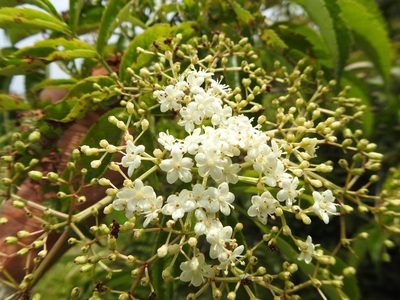
American Elderberry
Sambucus canadensis
Big lacy flower heads in summer give way to purple-black berries for both birds and your kitchen.
- Full–part sun
- Average–wet
- 6–12 ft
- Blooms Jun–Jul

Arrowwood Viburnum
Viburnum dentatum
A bulletproof hedge shrub with white spring flowers, blue fall berries, and burgundy autumn leaves.
- Sun to shade
- Average–wet
- 6–10 ft
- Blooms May–Jun

Buttonbush
Cephalanthus occidentalis
Spherical white 'pincushion' flowers over standing water, swarmed by butterflies and bees.
- Full–part sun
- Average–wet
- 5–10 ft
- Blooms Jun–Aug
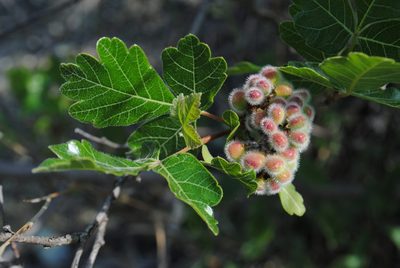
Fragrant Sumac
Rhus aromatica
A low, spreading shrub that blankets dry banks and blazes scarlet and orange in fall.
- Full–part sun
- Dry
- 2–6 ft
- Blooms Mar–Apr